 Craig Stevens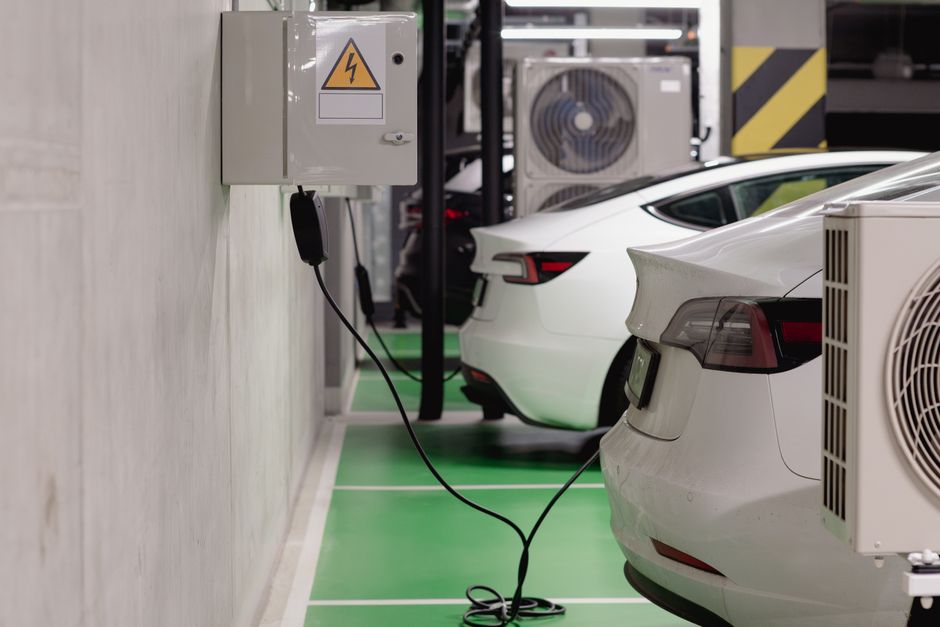
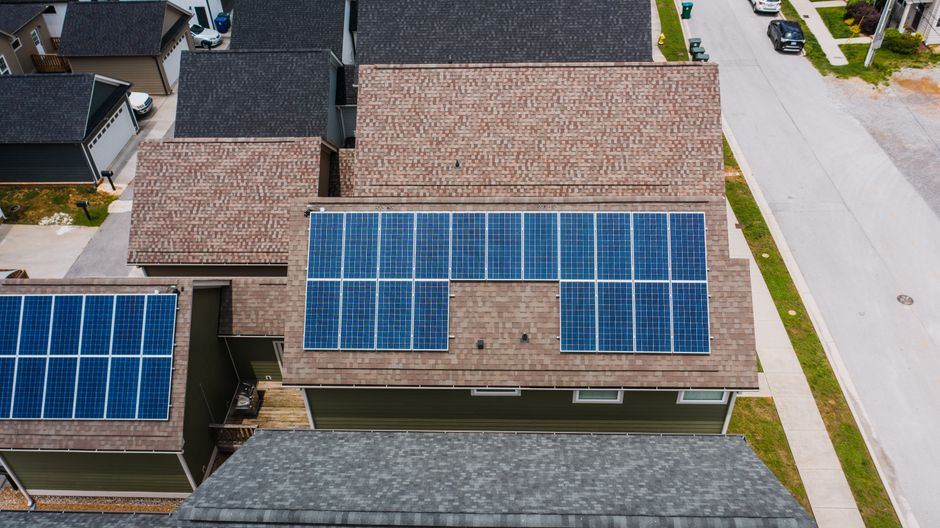
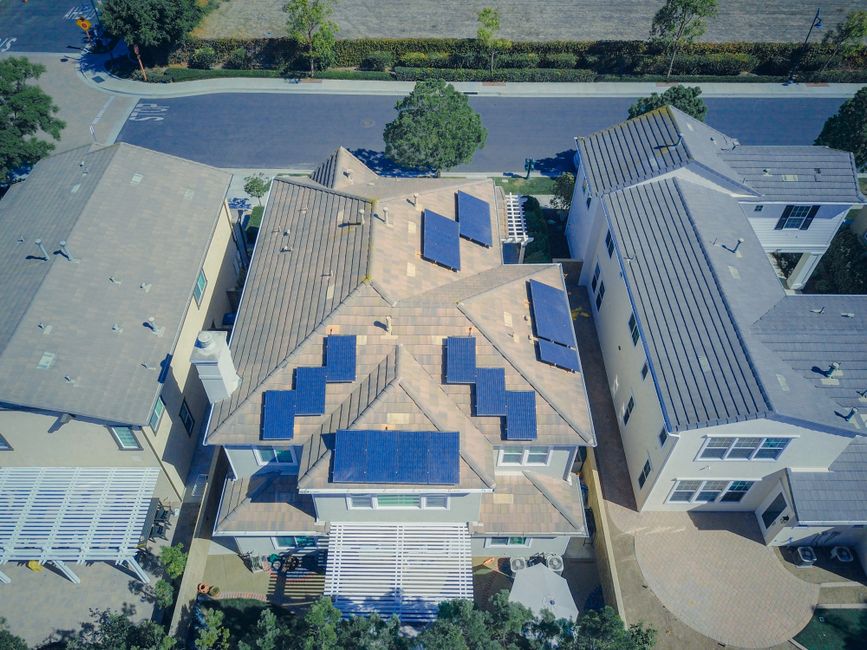
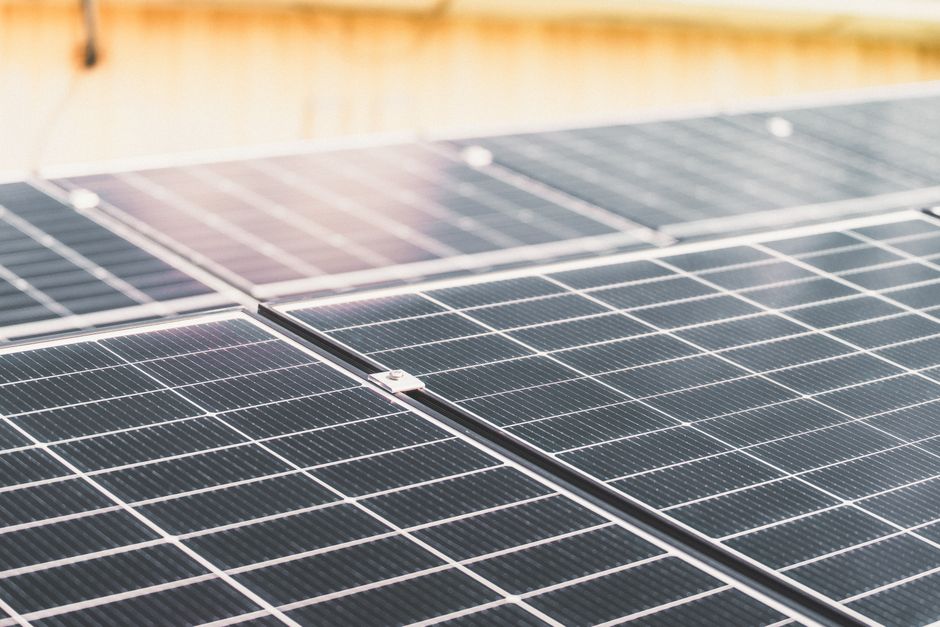
Most solar homeowners assume that once the panels are on the roof, they’re protected from outages. They’re not. About 4 million U.S. rooftop solar systems have no battery backup at all, and every single one of them shuts off automatically the moment the grid goes down, a safety requirement designed to protect utility workers. That means on the exact days when your solar panels are cranking, a storm knocks out the neighborhood, and you actually need that power the most, your system goes dark right along with everyone else’s house. That’s the problem a new wave of battery subscription products is trying to fix, and one of them just launched with a notably aggressive offer.
On July 8, 2026, Palmetto launched what it’s calling the Energy Backup Plan: $0 upfront, roughly $98 per month over a 12-year term, with installation and maintenance included. Available in 25 states, the plan works with Tesla Powerwall, Enphase, and SolarEdge batteries, according to Palmetto’s press release on PR Newswire. The timing is not a coincidence. We’re in peak hurricane and storm season, the federal residential solar tax credit expired December 31, 2025, and there are literally millions of solar owners sitting on systems that go dark in a blackout. Palmetto is betting that combination creates a market.
What surprised me was how cleanly the math works as a pitch. Traditional battery ownership runs over $16,000 upfront. That’s a real barrier, especially now that the Section 25D tax credit is gone for homeowners buying directly. The subscription model sidesteps the capital problem and, because the battery is owned by a third party, it can still access the Section 48E commercial investment tax credit, which keeps the economics viable on Palmetto’s end without requiring the homeowner to spend a dime upfront. PV Magazine USA’s coverage from July 10 notes that the app also allows rate arbitrage, letting homeowners charge when grid electricity is cheap and discharge when it’s expensive.
- Palmetto's battery subscription costs $0 upfront and ~$98/month over 12 years across 25 states.
- ~4 million U.S. solar homes have no battery and lose power during outages, even on sunny days.
- The 25D residential tax credit expired Dec 31, 2025, making third-party battery leases more attractive.
- Competing subscription plans from Base Power, Lunar Energy, and Solrite are already operating in Texas.
- Wood Mackenzie projects 12% average annual growth in residential storage through 2031.
How the Numbers Actually Stack Up
Let’s be honest about the math. At $98 per month for 12 years, you’re paying roughly $14,112 total, which is below the $16,000-plus upfront cost of buying a battery system outright. That looks good on paper. But ownership comes with the battery as an asset at the end, plus the possibility of incentives through utility programs, and buying used to come with the 30% Section 25D credit, which is now gone. The lease route means no ownership, no residual value, and a 12-year commitment attached to your home.
| Battery Subscription (Palmetto) | Outright Purchase | |
|---|---|---|
| Upfront cost | $0 | $16,000+ |
| Monthly cost | ~$98/mo | $0 (after payoff) |
| 12-year total | ~$14,112 | $16,000+ |
| Tax credit available | Section 48E (to Palmetto) | None (25D expired) |
| Maintenance included | Yes | No |
| You own the battery | No | Yes |
| Rate arbitrage option | Yes (via app) | Depends on setup |
For someone who simply cannot write a $16,000 check right now, the subscription removes a real obstacle. For someone who can finance or pay cash, the math is closer than the subscription pitch makes it sound.
Texas Is the Testing Ground
Helpful resource: Solar Panel Cleaning Brush Kit with Extension Handle is a top-rated option for this. (As an Amazon Associate this site earns from qualifying purchases.)
The most interesting thing happening in the battery subscription space isn’t Palmetto. It’s what’s already been running quietly in Texas. Base Power, Lunar Energy (backed by Octopus Energy), and Solrite have built subscription-style battery services in deregulated Texas markets, operating customer batteries as part of virtual power plants, or VPPs. The model works like this: the company installs the battery, manages it through software, dispatches stored energy back to the grid when prices spike or demand peaks, and uses that revenue to help offset the cost to the customer. The homeowner gets backup power; the operator gets a grid-participating asset they can monetize. Texas’s deregulated market makes this easier because customers can actually choose their electricity plan and the incentive structures are more flexible.
I’ll be honest, the VPP approach is more sophisticated than a pure backup play, and it’s not clear yet how well it translates to regulated utility states where Palmetto is launching. The economics depend heavily on local rate structures and whether utilities allow bidirectional participation.
The Tax Credit Angle Is Real, But Complicated
The expiration of Section 25D matters more than most coverage is acknowledging. For a homeowner who bought solar panels in 2025, they could claim 30% back on a battery purchased alongside them. That credit is gone now. A homeowner buying a battery today as a standalone product gets nothing directly. A third-party owner like Palmetto, though, can claim the commercial Section 48E investment tax credit on the hardware they own and install. That’s a meaningful cost advantage that they can theoretically pass through to customers in the form of lower monthly rates or $0 down terms. It’s one reason why the lease and subscription structure makes more financial sense in a post-25D world than it did when homeowners could capture the credit themselves.
What the Growth Projections Actually Tell You
Wood Mackenzie’s projection of 12% average annual growth in residential storage through 2031 sounds bullish, but their analysts also flagged a slight contraction in 2026 versus 2025, according to Solar Power World’s July 2026 coverage. So the market dipped before it’s expected to recover and grow. Subscription models arriving right at this dip make sense strategically. They lower the entry point during a moment when high upfront costs and the loss of the residential tax credit are both suppressing demand. If the subscription model genuinely pulls in a chunk of those 4 million battery-less solar homes, that’s a meaningful demand driver.
Should You Sign Up?
That depends heavily on where you live, your utility’s rate structure, and how much you value outage protection versus long-term ownership. If you’re in one of the 25 states where Palmetto operates and you’ve been sitting on a solar system that goes dark during storms, the $0-upfront barrier removal is real. The 12-year term is long. Read the contract carefully for what happens if you sell your home, whether the subscription transfers to the buyer, and what early termination looks like.
The broader wave of standalone battery subscriptions is real and it’s not going away. Base Power, Lunar Energy, and Solrite have proven the model works in at least one state. Whether it scales nationally, with all the different utility structures and regulations involved, is the open question. I’d watch Texas for another year before assuming the VPP economics translate cleanly everywhere else.
Sources
- Palmetto Launches Energy Backup Plan – PR Newswire (July 8, 2026)
- Palmetto launches standalone residential battery subscription plan – pv magazine USA (July 10, 2026)
- Palmetto opens battery-only lease plan to all residential contractors – Solar Power World (July 2026)
- Solar News This Week – July 12, 2026 – Free Press (July 12, 2026)
Photo: Jakub Zerdzicki via Pexels
Recommended Resources
Disclosure: As an Amazon Associate, we earn a small commission from qualifying purchases at no extra cost to you. We only recommend products that genuinely support the topics covered in this article.
- Renogy 200W Solar Starter Kit + 30A Charge Controller (~$169), Complete beginner solar kit, 200W monocrystalline panel, charge controller, and mounting hardware included.
- EF EcoFlow DELTA 2 Portable Power Station (1024Wh) (~$599), 1024Wh LFP battery with 1800W output, top-rated solar generator for home backup power. Charges in under 2 hours.
- EF EcoFlow DELTA 2 Max (2048Wh) (~$999), 2048Wh LFP battery with 2400W output, ideal for whole-home solar backup or pairing with rooftop solar panels.