 Craig Stevens
Most homeowners spend more time comparing refrigerators than solar panels. That’s a problem, because a refrigerator costs $1,200 and lasts a decade. A solar system costs $20,000-plus and sits on your roof for 25 years. The panel you pick affects every kilowatt-hour you produce for the next quarter-century, and yet most installers will steer you toward whatever they have in stock. Here’s what actually matters when choosing the best solar panels for your home in 2026.
What Makes a Solar Panel “Best” (And What’s Just Marketing)
The solar industry loves throwing around efficiency numbers like they’re the whole story. They’re not.
A panel rated at 23% efficiency converts 23% of the sunlight hitting its surface into electricity. SunPower’s Maxeon 7 series currently leads residential panels at around 22.8%, and REC’s Alpha Pure-R sits close behind. Those are genuinely impressive numbers. But efficiency only matters in proportion to your roof size. If you have ample south-facing space, a 20% efficient panel at a lower cost per watt can outperform a premium 23% panel on pure return-on-investment terms.
What the brochure rarely explains:
Temperature coefficient. Panels lose efficiency as they heat up. A typical silicon panel loses about 0.3-0.4% of output per degree Celsius above 25°C (77°F). If you’re in Phoenix or Houston, that gap between a -0.27%/°C coefficient and a -0.38%/°C coefficient is real money over 25 years. Look for this number in the spec sheet, not the sales deck.
Degradation rate. All panels lose output over time. The industry standard is roughly 0.5% per year. Premium panels like Maxeon’s Interdigitated Back Contact (IBC) line degrade closer to 0.25% annually. After 25 years, that difference adds up to 6-8% more lifetime production.
Warranty structure. A 25-year product warranty and a 25-year performance warranty are two different things. Confirm you’re getting both, and confirm the manufacturer has the financial staying power to honor them. Several solar companies have gone bankrupt in the past five years, leaving homeowners with warranties worth exactly nothing.
The Top Solar Panels Worth Considering in 2026
Helpful resource: P3 Kill A Watt Electricity Usage Monitor is a top-rated option for this. (As an Amazon Associate this site earns from qualifying purchases.)
These aren’t ranked by a single metric. They’re ranked by real-world fit for different homeowner situations.
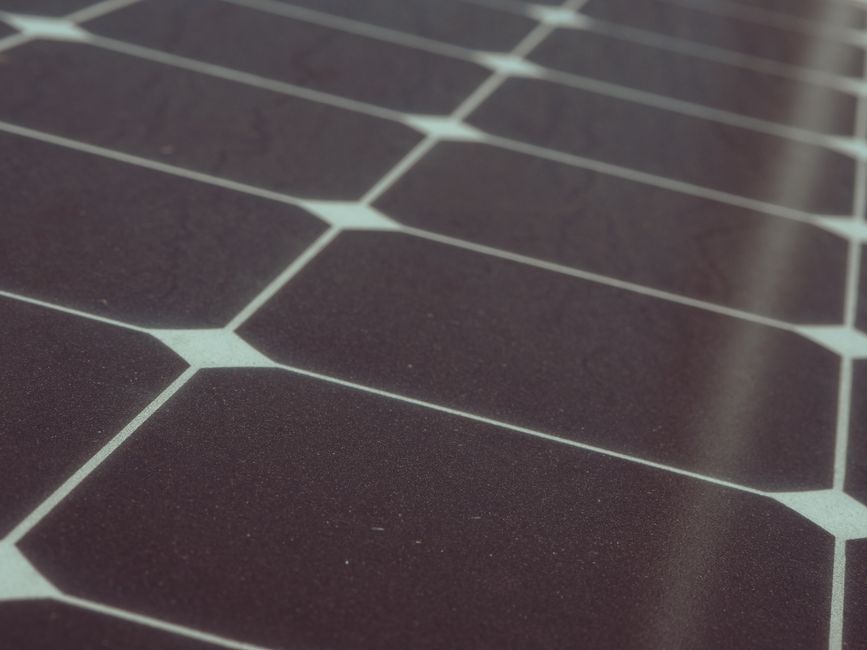
1. SunPower Maxeon 7 Best for: Small roofs, maximum long-term output. Efficiency: ~22.8%. Degradation: ~0.25%/year. The IBC cell design eliminates front-side metal contacts, reducing shading losses on the cell itself. The tradeoff: it’s among the most expensive residential options, typically running $0.30-0.50/watt more than competitors. If you’re space-constrained or expect to stay in your home for 20-plus years, that premium often pays back.
2. REC Alpha Pure-R Best for: Hot climates, value-per-watt shoppers. Efficiency: ~22.3%. Temperature coefficient: -0.24%/°C, which is exceptional. REC manufactures in Singapore with European engineering roots and a strong track record. If you live in the Sun Belt, this panel’s thermal performance makes it a genuine competitor to Maxeon at a lower sticker price.
3. Panasonic EverVolt HK Black Series Best for: Balanced performance, aesthetic preference. Efficiency: ~22.2%. All-black design, solid IBC technology, and a 25-year comprehensive warranty backed by a company that’s been making panels since 1975. Panasonic’s longevity in electronics manufacturing gives it a warranty credibility edge that newer brands simply can’t match.
4. Canadian Solar HiHero Best for: Budget-conscious installs where roof space isn’t limited. Efficiency: ~22.5% on the HiHero series. Canadian Solar is the second-largest solar manufacturer in the world by shipments. Their premium line has genuinely closed the quality gap with the tier-1 luxury brands, at a price point that can shave $3,000-5,000 off a typical 10 kW system.
5. Qcells Q.TRON BLK M-G2+ Best for: Mainstream installs, installer availability. Efficiency: ~21.4%. Qcells is manufactured in Georgia, which matters if you care about domestic content and IRA (Inflation Reduction Act) bonus tax credit eligibility. Their panels are widely distributed, meaning competitive installer pricing and easier warranty service.
Side-by-Side: How the Top Panels Actually Compare
How to Choose the RIGHT Solar Panels for Your Home · SolarQuotes on YouTube
| Panel | Efficiency | Temp. Coefficient | Degradation/yr | Product Warranty | Est. $/Watt Premium |
|---|---|---|---|---|---|
| SunPower Maxeon 7 | 22.8% | -0.27%/°C | 0.25% | 40 years | +$0.40-0.50 |
| REC Alpha Pure-R | 22.3% | -0.24%/°C | 0.25% | 25 years | +$0.20-0.35 |
| Panasonic EverVolt HK | 22.2% | -0.26%/°C | 0.26% | 25 years | +$0.15-0.30 |
| Canadian Solar HiHero | 22.5% | -0.34%/°C | 0.50% | 25 years | Baseline |
| Qcells Q.TRON BLK | 21.4% | -0.34%/°C | 0.40% | 25 years | Baseline |
| Panel | Efficiency | Temp. Coefficient | Degradation/yr | Product Warranty | Est. $/Watt Premium |
|---|---|---|---|---|---|
| SunPower Maxeon 7 | 22.8% | -0.27%/°C | 0.25% | 40 years | +$0.40-0.50 |
| REC Alpha Pure-R | 22.3% | -0.24%/°C | 0.25% | 25 years | +$0.20-0.35 |
| Panasonic EverVolt HK | 22.2% | -0.26%/°C | 0.26% | 25 years | +$0.15-0.30 |
| Canadian Solar HiHero | 22.5% | -0.34%/°C | 0.50% | 25 years | Baseline |
| Qcells Q.TRON BLK | 21.4% | -0.34%/°C | 0.40% | 25 years | Baseline |
Prices reflect installer-level costs, not retail. Your final number depends heavily on system size, location, and labor market. According to EnergySage’s market data, the average installed cost for residential solar in 2024 was $2.95/watt before incentives, meaning a 10 kW system runs about $29,500 before the 30% federal tax credit brings it to roughly $20,650.
How to Actually Choose: A Step-by-Step Framework
Don’t buy a panel. Buy a system that fits your roof, your utility, and your financial situation. Here’s how to work through it.
Step 1: Audit your roof before anything else. South-facing, unshaded roof space is the asset. A steep north-facing roof can still work, but you’ll need more panels to hit the same production. Measure your usable square footage. A standard 400W panel is roughly 18 square feet.
Step 2: Pull 12 months of utility bills. Your target system size in kilowatts should cover 80-100% of your annual consumption. Over-sizing sounds smart but may not make financial sense if your utility has unfavorable net metering rates, which many are now changing. Check your specific state’s net metering policy.
Step 3: Match panel type to your climate. Hot, sunny climates: prioritize temperature coefficient. Low-light or cloudy climates (Pacific Northwest, New England): prioritize efficiency and low-light performance. NREL’s PVWatts calculator lets you model actual expected production for your specific address, orientation, and panel type. Use it.
Step 4: Get three installer quotes for the same panel. Don’t let installers mix and match the quote specs. Ask each to quote using identical panels and a comparable inverter. The price difference is usually $2,000-6,000 on a mid-size system, all for the same hardware.
Step 5: Monitor your system from day one. Once installation wraps up, a home energy monitor catches underperformance before it quietly drains your savings. A device like the Emporia Vue Energy Monitor (affiliate link) gives you real-time production and consumption data at the circuit level, so you’ll know immediately if a panel or string is underperforming. Most solar installs include a basic monitoring app through the inverter brand, but those often miss consumption context.
Step 6: Verify warranty transferability. If you sell your home, a transferable panel warranty adds resale value. Confirm in writing. Several manufacturers technically allow transfer but charge a fee or have a short transfer window.
The Honest Downsides (What Most Solar Content Skips)
I’ve worked with clients who went solar in bad situations and regretted it. Here’s when solar is the wrong call, or at least a harder one.
Shading. Partial shade, even from a single chimney or tree limb, can cut system output dramatically depending on your inverter type. If your roof has meaningful shade, you’ll need either microinverters (each panel operates independently) or DC optimizers. Both cost more. Budget an additional $1,000-2,500 for a 10 kW system to address shading properly.
Aging roofs. If your roof is 15 years old and solar panels are going on it, you’re potentially removing and reinstalling those panels in 5-8 years when the roof needs replacing. The re-roof-plus-reinstall cost is typically $2,000-4,000 in labor alone. Install solar on a fresh roof, or re-roof first.
Shifting net metering rules. California’s NEM 3.0, enacted in 2023, reduced export compensation by roughly 75%. Other states are watching. If your payback calculation depends on generous net metering, model what your ROI looks like at half that rate. Some utilities are moving to time-of-use export rates, which can actually benefit homeowners with batteries but hurt those without.
Lease and PPA traps. A solar lease or power purchase agreement (PPA) means you don’t own the panels, you can’t claim the 30% federal tax credit, and selling your home becomes complicated because the buyer has to assume the contract. In most cases, owning outright or financing with a solar loan is the better path.
Sources
- P3 Kill A Watt Electricity Usage Monitor
- EnergySage’s market data
- NREL’s PVWatts calculator
- Emporia Vue Energy Monitor
- Jackery Explorer 300 Portable Power Station
Disclosure: As an Amazon Associate, we earn a small commission from qualifying purchases at no extra cost to you. We only recommend products that genuinely support the topics covered in this article.
- Renogy 200W Solar Starter Kit + 30A Charge Controller (~$169), Complete beginner solar kit, 200W monocrystalline panel, charge controller, and mounting hardware included.
- EF EcoFlow DELTA 2 Portable Power Station (1024Wh) (~$599), 1024Wh LFP battery with 1800W output, top-rated solar generator for home backup power. Charges in under 2 hours.
- Renogy 2×100W Monocrystalline Solar Panels (~$99), Expandable 200W panel set from the most trusted DIY solar brand, used widely in off-grid and home backup systems.
Recommended Resources
Disclosure: As an Amazon Associate, we earn a small commission from qualifying purchases at no extra cost to you. We only recommend products that genuinely support the topics covered in this article.
- Renogy 200W Solar Starter Kit + 30A Charge Controller (~$169), Complete beginner solar kit, 200W monocrystalline panel, charge controller, and mounting hardware included.
- EF EcoFlow DELTA 2 Portable Power Station (1024Wh) (~$599), 1024Wh LFP battery with 1800W output, top-rated solar generator for home backup power. Charges in under 2 hours.
- Renogy 2×100W Monocrystalline Solar Panels (~$99), Expandable 200W panel set from the most trusted DIY solar brand, used widely in off-grid and home backup systems.