 Nadia Patel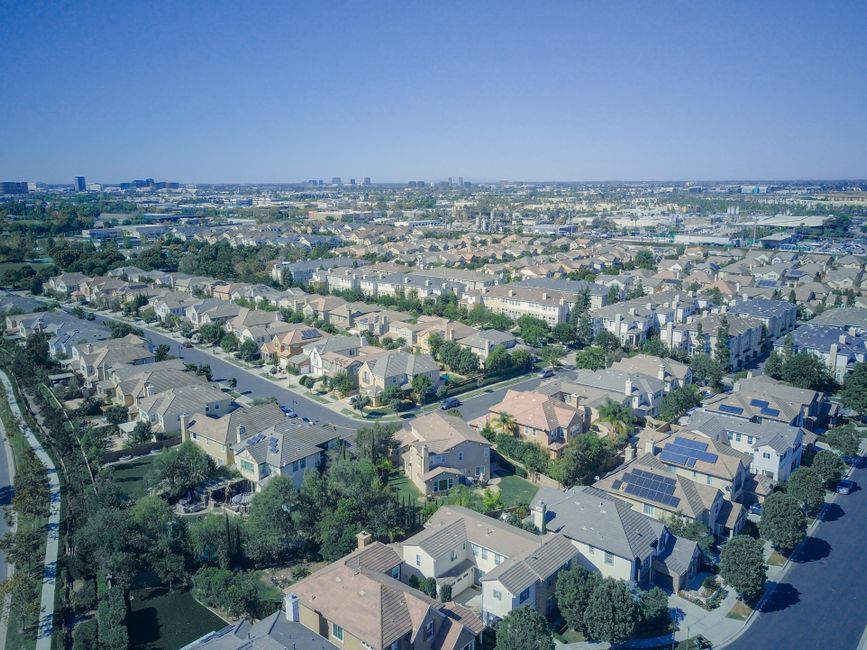
Most articles on this topic spend three paragraphs explaining what solar panels are before getting to anything useful. Let’s skip that.
Here’s the actual question worth answering: if you want to save money on electricity and reduce your carbon footprint, which path gets you there faster, more reliably, and with fewer headaches? Rooftop solar or community solar? The honest answer depends on factors most comparison pieces gloss over entirely.
The Core Difference (and Why It Actually Matters)
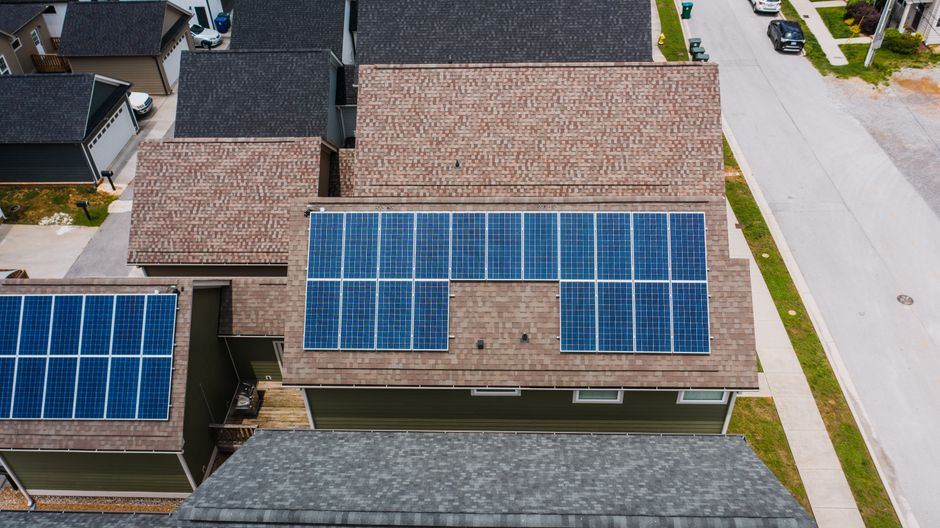
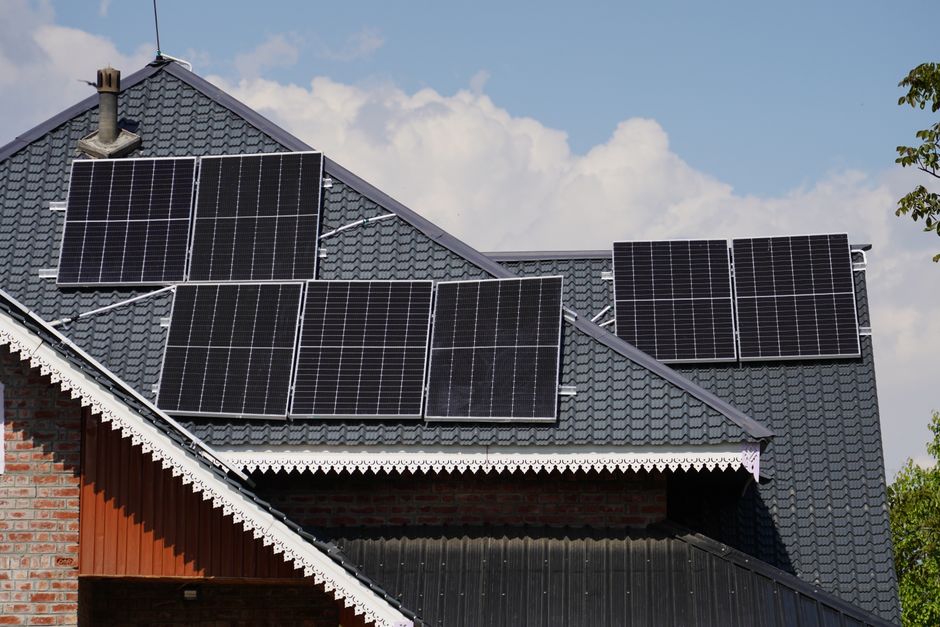
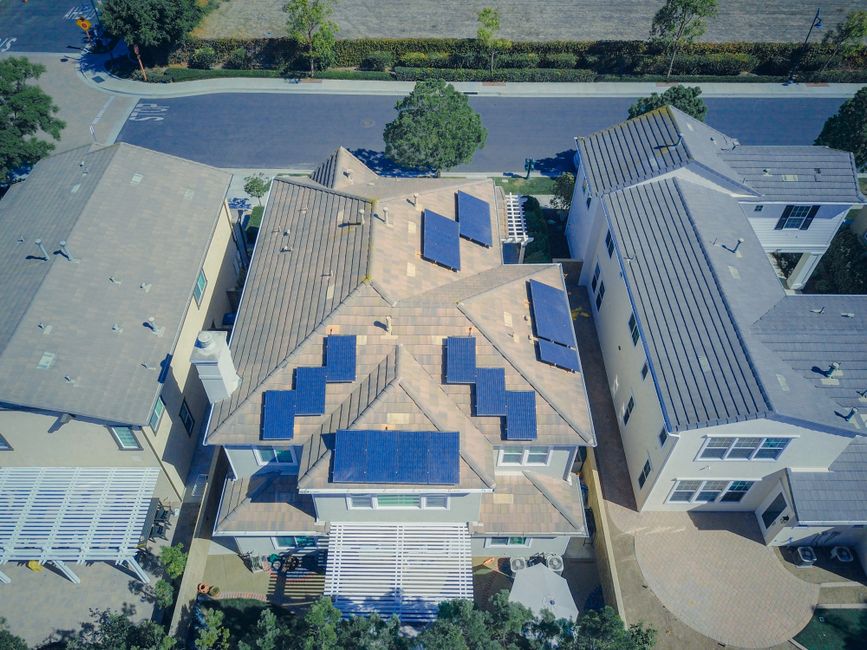
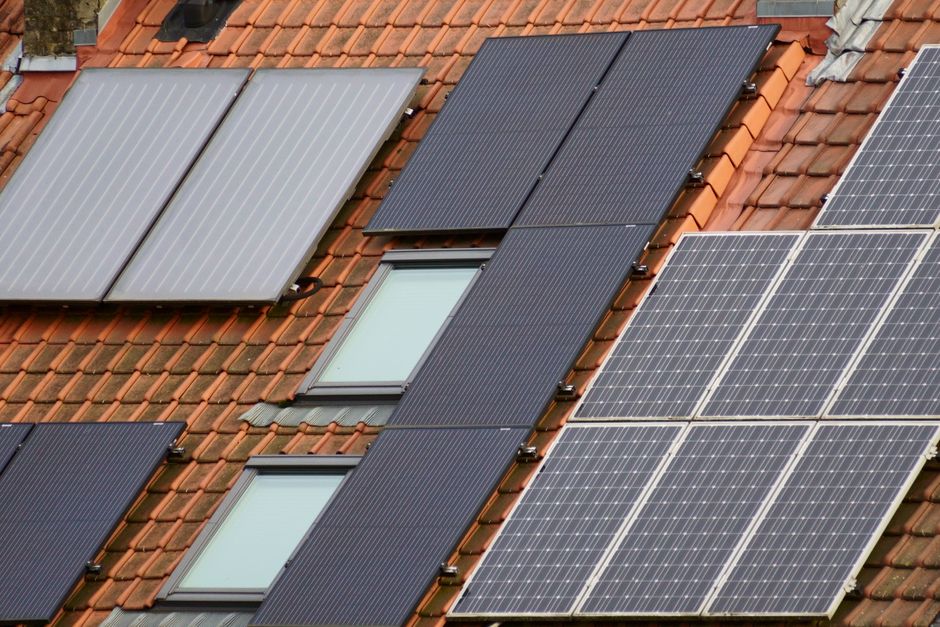
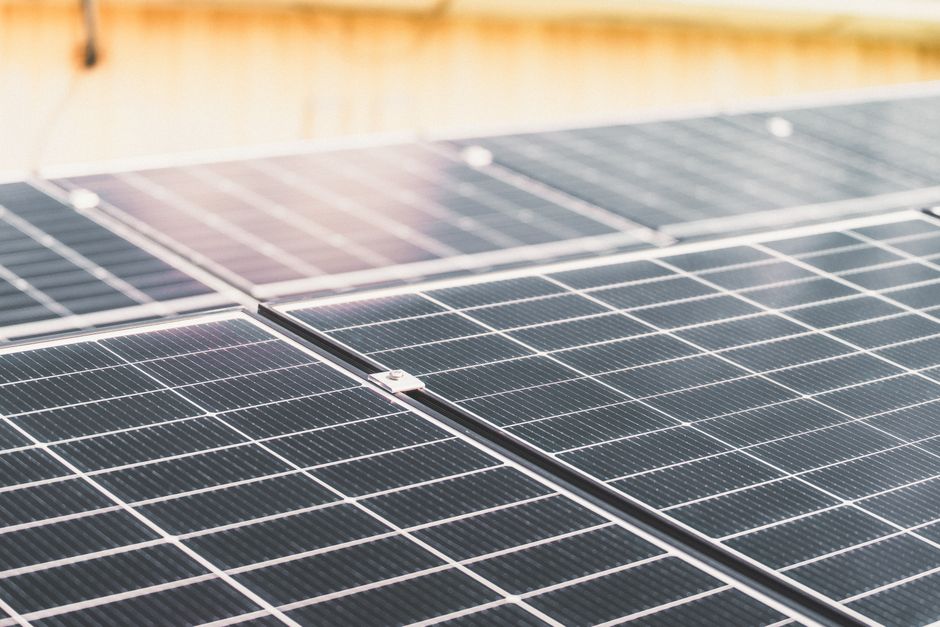
Rooftop solar means panels on your home, generating electricity that offsets your bill through net metering. You own the system (or lease it), and it’s tied to your specific roof, your specific utility, and your specific credit score if you’re financing.
Community solar is different in a way that took me an embarrassingly long time to internalize. You’re not buying panels. You’re subscribing to a share of a larger solar farm, typically located somewhere in your region, and receiving a bill credit proportional to what your share produces. No panels. No installers on your roof. No permits. Just a subscription that shows up as a credit on your existing electricity bill.
This distinction matters because the two options solve different problems for different people.
Who Rooftop Solar Actually Works For
Helpful resource: Lutron Caséta Wireless Smart Dimmer Kit is a top-rated option for this. (As an Amazon Associate this site earns from qualifying purchases.)
Not everyone. I’ll say that plainly because installers won’t.
Rooftop solar has a strong financial case when you own your home, have a south or west-facing roof with minimal shading, use a meaningful amount of electricity (think $150+ monthly bills), and plan to stay put for at least seven to ten years. The National Renewable Energy Laboratory (NREL) has published research showing that only about half of U.S. residential rooftops are even technically suitable for solar, when you factor in orientation, shading, and structural issues.
When conditions are right, the numbers are genuinely compelling. The average residential system currently runs around $3.00 to $3.50 per watt installed before incentives, so a 7 kW system lands at $21,000 to $24,500. The federal Investment Tax Credit (ITC) at 30% knocks that down to roughly $14,700 to $17,150. Payback periods in high-electricity-cost states like California, Massachusetts, or Hawaii typically run six to nine years. After that, you’re generating essentially free electricity for another fifteen to twenty years.
Worked example: A homeowner in Massachusetts with a $220/month electricity bill installs a 9 kW system for $27,000 before incentives. After the 30% ITC, net cost is $18,900. The system covers 95% of her usage. She pays off the system in approximately 7.5 years and saves an estimated $38,000 over 25 years.
That math doesn’t work if you’re in a state with weak net metering policies (Utah and Tennessee, for instance, have increasingly hostile net metering rules), if your roof needs replacement in five years, or if you’re renting.
Who Community Solar Actually Works For
This is where I’d argue most coverage buries the lead. Community solar has expanded dramatically, and as of July 2026, it’s available in roughly 20 states plus D.C. The Solar Energy Industries Association (SEIA) tracks this market closely, and the growth has been real: the community solar sector now serves millions of subscribers who couldn’t access rooftop solar at all.
The typical community solar subscription works like this: you subscribe to a fixed percentage of a solar farm’s output, you receive a credit on your utility bill at a slightly discounted rate (usually 5-15% below retail electricity rates), and you pay the community solar company for your share of power produced. The arbitrage is the discount. You’re buying solar electricity slightly cheaper than you’d buy grid electricity.
Worked example: A renter in Illinois subscribes to a 3,000 kWh/year community solar share. Her utility rate is $0.14/kWh; she pays the community solar provider $0.12/kWh for that same energy. Annual savings: roughly $60. Not life-changing. But it requires zero upfront cost, zero installation, and she can cancel with 90 days notice.
The contrast to rooftop is stark. Community solar is lower risk, lower reward, and accessible to almost anyone. Renters, condo owners, people with shaded or north-facing roofs, people who move frequently: these are the people community solar was designed for.
There’s a catch I wish someone had explained to me earlier. Contract terms vary wildly. Some community solar programs have 20-year contracts with steep exit fees. Others are month-to-month. Read the contract. Seriously. I’ve talked with homeowners who signed 20-year community solar subscriptions and then went to sell their home and had no idea what to do with the contract.
The Numbers Side-by-Side
| Factor | Rooftop Solar | Community Solar |
|---|---|---|
| Upfront Cost | $15,000-$25,000+ (after 30% ITC) | $0 |
| Long-term Return (IRR) | 8-12% in good markets | Modest annual savings ($50-$200) |
| Payback Period | 6-9 years (high-cost states) | N/A (subscription model) |
| Home Value Impact | ~4% increase | None |
| Ownership Required | Yes | No (renters eligible) |
| Roof Suitability | South/west-facing, minimal shading | N/A (no roof installation) |
| Minimum Bill Size | $150+/month recommended | Flexible |
| Contract Flexibility | N/A | Varies (month-to-month to 20 years) |
| Geographic Availability | Nationwide | ~20 states + D.C. |
| Time to Install | Weeks (permits, installation) | None (subscription only) |
Let me be concrete about the financial comparison because vague generalities are useless here.
Rooftop solar: high upfront cost ($15,000 to $25,000+ after tax credits for a typical system), strong long-term return (IRR often in the 8-12% range in good markets), adds home value (Zillow research suggests roughly 4% average home value increase), requires ownership and suitable roof.
Community solar: zero upfront cost, modest annual savings ($50 to $200 for a typical household depending on state and subscription size), no home value benefit, works for renters and unsuitable rooftops, subject to solar farm availability in your area.
Worked example: A homeowner in a suburb of Minneapolis has a partially shaded roof, making rooftop solar financially marginal. An installer quotes him a system with 70% production efficiency due to shading. Instead, he subscribes to a community solar project in the state’s Xcel Energy territory, saves about $110/year with no risk, and keeps his options open for a future home purchase where rooftop makes more sense.
The Battery Storage Question
One area where rooftop solar has a significant advantage community solar can’t match: storage. If you pair a rooftop system with a home battery (a Tesla Powerwall 3 runs around $9,500 installed, the Enphase IQ Battery 5P is in a similar range), you get backup power and the ability to use stored solar during peak pricing hours. Community solar subscribers get neither. Their credits are calculated at fixed rates regardless of when they use electricity.
As utilities move more aggressively toward time-of-use pricing, this gap will widen. Worth factoring in.
If you’re curious about monitoring your home energy use before deciding anything, a device like the Emporia Vue Energy Monitor (under $100, widely used) will give you a granular picture of your actual consumption patterns. (Note: this site may earn a commission on purchases.) Knowing whether you consume heavily in the morning or evening matters for both net metering math and time-of-use rate analysis.
Sources
- NREL Rooftop Solar Technical Potential: Research on the percentage of U.S. rooftops technically suitable for solar installation.
- SEIA Community Solar: Industry data on community solar capacity, subscriber counts, and state availability.
- EnergySage Solar Marketplace Data: Installer pricing benchmarks and consumer quote data for residential rooftop systems.
- Lawrence Berkeley National Laboratory “Tracking the Sun”: Annual report on residential solar system costs, sizing, and trends.
- Zillow Research on Solar Home Value: Analysis of solar’s impact on residential property values.
Recommended Resources
Disclosure: As an Amazon Associate, we earn a small commission from qualifying purchases at no extra cost to you. We only recommend products that genuinely support the topics covered in this article.
- Renogy 200W Solar Starter Kit + 30A Charge Controller (~$169), Complete beginner solar kit, 200W monocrystalline panel, charge controller, and mounting hardware included.
- EF EcoFlow DELTA 2 Portable Power Station (1024Wh) (~$599), 1024Wh LFP battery with 1800W output, top-rated solar generator for home backup power. Charges in under 2 hours.