 Alex Rivera
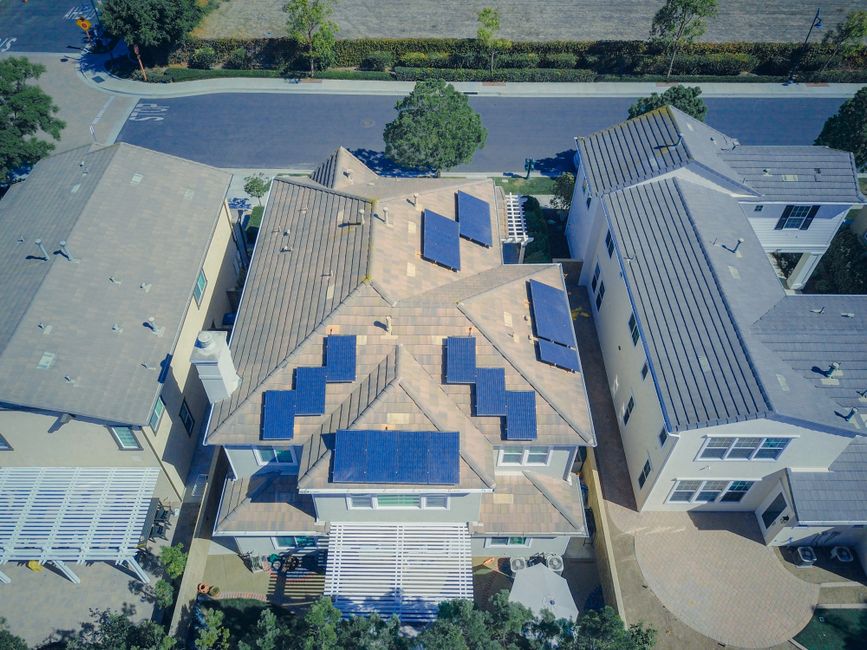
My neighbor sold her house last spring and got $31,000 more than comparable homes on her street. The only meaningful difference? A paid-off 9.2 kW solar system she’d installed four years earlier. I’ve seen this play out dozens of times, and I’ve also seen the opposite: sellers who couldn’t recoup a dime of what they paid because the system was leased, or because they were in a market where buyers just didn’t care. So before anyone tells you “solar definitely adds value,” let me give you the actual picture.
The Numbers Are Real, But They’re Not Universal
| Scenario | System Cost (Before Incentives) | Federal Tax Credit (30%) | Cost After Incentive | Typical Home Sale Premium | Net Outcome |
|---|---|---|---|---|---|
| Owned 7.5 kW System | $25,000-$35,000 | $7,500-$10,500 | $14,500-$27,500 | ~$30,000 | Break-even to positive |
| Owned 8 kW System (Sunny Market) | $25,000-$35,000 | $7,500-$10,500 | $14,500-$27,500 | Varies by market | Positive in high-rate states |
| Leased System | $0 upfront | N/A | $100-$200/month obligation | Little to none | Negative (buyout $10k-$20k) |
| PPA System | $0 upfront | N/A | Per-kWh payments | Little to none | Negative (buyer reluctance) |
Here’s the headline figure: a Lawrence Berkeley National Laboratory study that’s been widely cited by the Solar Energy Industries Association (SEIA) found that buyers paid a premium of about $4 per watt of solar capacity for owned systems. On a 7.5 kW system, that’s roughly $30,000. For most homeowners, that’s close to or exceeds what they originally paid after the federal tax credit.
EnergySage’s market data consistently shows the national average solar installation running between $25,000 and $35,000 before incentives, and the 30% federal Investment Tax Credit currently brings that cost down meaningfully. So in a lot of scenarios, the math actually works: you install, you save on electricity, you sell at a premium, and you come out ahead. I’ve personally helped clients model this out, and it’s genuinely one of the better home improvement investments in the right conditions.
But those conditions matter enormously. More on that in a minute.
What Appraisers Actually Do With Solar
Helpful resource: P3 Kill A Watt Electricity Usage Monitor is a top-rated option for this. (As an Amazon Associate this site earns from qualifying purchases.)
This is where most people get confused, because the appraisal process for solar still isn’t as consistent as it should be.
Appraisers are supposed to use something called the income approach or the cost approach when valuing solar. The income approach calculates the present value of future electricity savings. The cost approach looks at what it would cost to replace the system, depreciated for age. In practice, appraisers in solar-saturated markets like California, Arizona, and Colorado tend to be more comfortable with these methods. In markets where solar is still uncommon, like parts of the Midwest or rural Northeast, you’ll often find appraisers simply ignoring the system entirely or giving it token value.
I’ve talked to homeowners in Ohio who were stunned when their appraiser valued a $28,000 solar system at essentially zero. It’s not that the appraiser was incompetent. It’s that there weren’t enough comparable solar home sales in the area to anchor the valuation. No comps, no data. No data, no value added.
If you’re in a market like this and you’re buying or selling soon, it’s worth requesting an appraiser with specific experience in renewable energy. The Appraisal Institute even offers a green energy addendum form (Form 820.05) that trained appraisers use. Most homeowners have never heard of this. Most real estate agents haven’t either.
The Lease Problem Is Still Killing Deals
How to Choose the RIGHT Solar Panels for Your Home · SolarQuotes on YouTube
I cannot stress this enough. A leased solar system can actively hurt your home sale.
When you lease, you don’t own the panels. A third-party company does. That means when you sell, the buyer has to either qualify to take over the lease payments (usually $100 to $200 a month) or you have to buy out the lease, which can run $10,000 to $20,000 depending on how many years remain. I’ve watched deals fall apart entirely over this.
Even a Power Purchase Agreement (PPA), where you pay per kilowatt-hour rather than a monthly lease fee, creates the same headache. Buyers see an obligation tied to the house and get nervous. Some won’t engage at all.
The data backs this up: EnergySage has consistently reported that owned solar systems command premiums at sale, while leased systems show little to no value-add. The conclusion here isn’t subtle. If you’re considering solar and you care about home value, buy the system outright (or finance it with a loan you’ll pay off before selling).
The Case for Solar Being Undervalued at Sale (And Why I Think It Is)
Here’s the contrarian take: I think solar is routinely undervalued in home sales, and most sellers leave money on the table because they don’t know how to present the asset.
A typical 8 kW system in a sunny market produces around 11,000 to 12,000 kilowatt-hours per year. At the national average residential electricity rate today (around $0.17/kWh), that’s $1,870 to $2,040 in annual savings. Over 25 years, even discounting for rate increases and modest panel degradation, that’s a six-figure asset in present-value terms. But sellers almost never present it that way to buyers.
What most people don’t realize is that the framing at sale matters. Sellers who show buyers their utility bills, their monitoring app data, and a projected savings model move homes faster and at better prices than sellers who just mention “solar panels included” in the listing. I’ve seen a seller use a Sense Home Energy Monitor to generate a compelling year-over-year savings report that they literally printed and left on the kitchen counter during open houses. (Disclosure: this site may earn a commission on purchases made through Amazon links.) Corny? Maybe. Effective? Absolutely.
Your installer should be able to pull production data from the system’s inverter. If you have an older system without monitoring, a clamp-on energy monitor can fill that gap. Make the invisible visible.
Does Location Change Everything?
Yes, dramatically. In California, Hawaii, Massachusetts, and New Jersey, solar premiums are well-documented and relatively predictable. These markets have high electricity rates, strong net metering policies, and buyers who understand what they’re getting. In states with very low electricity costs, like Louisiana or Idaho, the economic case for solar is weaker, and the home value story is weaker with it.
Climate isn’t just about sunshine, either. It’s about the utility environment. A state with strong net metering (where you get credited for power you send back to the grid) produces more savings, which translates to more value. States that have rolled back net metering policies create real headaches for buyers trying to project future savings. This is genuinely one of the most important and least-discussed factors.
Frequently Asked Questions
Does solar always increase home value?
No. The increase is most reliable for owned systems in high-electricity-cost markets with strong solar adoption. Leased systems frequently add no value and can complicate sales. Rural markets and states with low electricity rates see the smallest premiums.
How much does solar increase home value?
The most-cited research puts it at roughly $4 per watt of installed capacity for owned systems, which translates to about $20,000 to $30,000 for a typical residential system. Your actual result depends on location, system age, local market conditions, and whether comparable solar homes have sold nearby.
Does a solar lease transfer to the new owner?
Usually yes, but it requires the buyer to qualify for and agree to take over the lease. Many buyers decline, which can slow or kill the sale. Some sellers buy out the lease before listing to avoid the issue entirely.
Will my home sell faster with solar?
In markets where solar is common and well understood, yes. A 2019 study from Zillow found solar homes sold about 20% faster than comparable non-solar homes. In markets where solar is still unusual, the effect is weaker and less predictable.
Do I need to disclose solar panels when selling?
In most states, yes. You’ll typically need to disclose whether the system is owned or leased, the terms of any third-party agreement, and any known defects. Check your state’s disclosure requirements; failing to disclose a lease can expose you to legal liability.
The bottom line is more nuanced than most solar installers will admit, but it’s genuinely good news for people who go in with clear eyes: own your system, document your savings, and sell in a market that values it. Do those three things and solar is one of the few home improvements that can pay you back twice.
Sources
- Solar Energy Industries Association (SEIA)
- EnergySage’s market data
- P3 Kill A Watt Electricity Usage Monitor
- Sense Home Energy Monitor
- Renogy 100W 12V Flexible Solar Panel
Disclosure: As an Amazon Associate, we earn a small commission from qualifying purchases at no extra cost to you. We only recommend products that genuinely support the topics covered in this article.
- Renogy 200W Solar Starter Kit + 30A Charge Controller (~$169), Complete beginner solar kit, 200W monocrystalline panel, charge controller, and mounting hardware included.
- EF EcoFlow DELTA 2 Portable Power Station (1024Wh) (~$599), 1024Wh LFP battery with 1800W output, top-rated solar generator for home backup power. Charges in under 2 hours.
Recommended Resources
Disclosure: As an Amazon Associate, we earn a small commission from qualifying purchases at no extra cost to you. We only recommend products that genuinely support the topics covered in this article.
- Renogy 200W Solar Starter Kit + 30A Charge Controller (~$169), Complete beginner solar kit, 200W monocrystalline panel, charge controller, and mounting hardware included.
- EF EcoFlow DELTA 2 Portable Power Station (1024Wh) (~$599), 1024Wh LFP battery with 1800W output, top-rated solar generator for home backup power. Charges in under 2 hours.
- Renogy 2×100W Monocrystalline Solar Panels (~$99), Expandable 200W panel set from the most trusted DIY solar brand, used widely in off-grid and home backup systems.