 Derek Hansen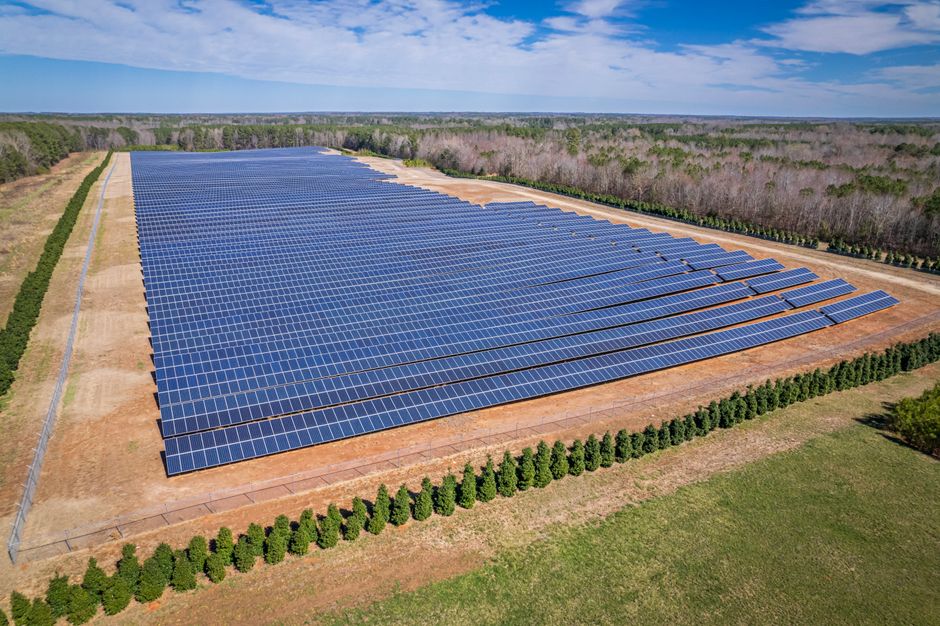
A homeowner in Cary called me last month, frustrated. She’d been “thinking about solar” for two years, gotten a few quotes, and kept putting it off. Then her neighbor mentioned something about a December deadline. She wasn’t sure if it was real or just a sales tactic. It’s real, and if you’re a Duke Energy customer in North Carolina, it may be the most financially consequential piece of news you read this year.
Here’s what’s happening: Duke Energy’s Net Metering Bridge Rate, formally called Rider NMB, closes permanently to new applicants on December 31, 2026. This isn’t a promotional offer or a rumor. It’s a ruling by the North Carolina Utilities Commission, and once that door shuts, it doesn’t reopen. Homeowners who lock in before the deadline get 15 years of favorable solar credit terms. Those who miss it get something much worse. The difference, run out over that 15-year window, can amount to tens of thousands of dollars.
What most people don’t realize is that December 31 isn’t even the real deadline. The Bridge Rate program has strict annual capacity caps, and once those caps fill, new applicants get pushed off the Bridge Rate entirely, even if it’s only October. I’ve seen this pattern repeat with solar incentive programs across the Southeast. The official end date is the last possible moment, not the safe moment.
- Duke Energy's Rider NMB Bridge Rate closes permanently to new applicants on December 31, 2026.
- Annual capacity caps can fill before year-end, making late summer 2026 the practical action deadline.
- After the deadline, excess solar exports pay only ~$0.034/kWh versus ~$0.11–$0.13/kWh under the Bridge Rate.
- Approved Bridge Rate customers are locked in for 15 years, shielded from TOU and Critical Peak rates above $0.40/kWh.
- NC ranks third in U.S. installed solar capacity, meaning installer backlogs are a real risk if you wait until fall.
What You’re Actually Protecting Yourself From
The post-deadline world for Duke solar customers is pretty bleak by comparison. New solar homeowners who miss the cutoff will default to the Residential Solar Choice plan, Rider RSC, which pays excess solar exports at roughly $0.034 per kilowatt-hour. That sounds like a number until you realize the current retail rate you’re avoiding by self-consuming your solar power is $0.11 to $0.13 per kWh. The export credit pays you about 75 to 80 percent less than what you’d otherwise pay for electricity from the grid.
On top of that, post-deadline customers face mandatory Time-of-Use and Critical Peak Pricing structures, where rates can spike above $0.40 per kWh during high-demand windows. If your solar system produces less during those peaks than your house consumes (and most grid-tied systems do, especially in late afternoon summer heat), you’re buying expensive electricity while your solar credits bank at a fraction of that cost. It’s a losing structure that the Bridge Rate insulates you from entirely.
Duke recently proposed an 18.1% rate increase for North Carolina customers. That proposal, if approved, makes a stable, locked-in credit structure even more valuable. Every rate hike that follows the Bridge Rate’s closure is a rate hike your solar credits can’t keep pace with under Rider RSC.
The Capacity Cap Problem Nobody Mentions
Helpful resource: Govee WiFi Smart Plug with Energy Monitoring is a top-rated option for this. (As an Amazon Associate this site earns from qualifying purchases.)
This is the part that keeps me up at night when I’m advising homeowners. The annual capacity caps on the Bridge Rate mean Duke can stop accepting new applications before December 31 arrives. According to reporting from NC Solar Now and 8MSolar, once the cap for a given year fills, applicants are rerouted to the less favorable TOU structure automatically, with no appeals process and no holding your spot.
The honest answer to “how much capacity is left?” is that it’s genuinely hard for a homeowner to know in real time. Duke doesn’t publish a live cap tracker. What I can tell you is that the summer of 2026 is when awareness of this deadline has gone mainstream, which means application volume is climbing right now. You want to be in that queue before the rush peaks, not during it.
Here’s a comparison of what you’re choosing between:
| Factor | Bridge Rate (Rider NMB) | Solar Choice (Rider RSC) |
|---|---|---|
| Export credit rate | ~$0.11–$0.13/kWh (retail rate) | ~$0.034/kWh |
| Rate structure | Standard residential | Mandatory TOU + Critical Peak |
| Peak pricing exposure | None | Up to $0.40+/kWh |
| Term length (if approved) | 15 years, guaranteed | Ongoing, subject to change |
| Availability after 12/31/26 | Closed permanently | Default for new applicants |
The NC Installer Backlog Risk Is Real
North Carolina ranks third in the country for total installed solar capacity, behind only California and Texas. That’s not a marketing line. That’s the SEIA reality of what the market here looks like. A mature, high-volume solar state has correspondingly busy installers, and most reputable companies are already booking four to eight weeks out for site assessments and permitting, longer in the Triangle and Charlotte metro areas.
The interconnection request that locks in your Bridge Rate eligibility has to be submitted and approved, not just filed. That means your installer needs to complete your system design, file the application, and wait on Duke’s review process. I’ve seen interconnection approvals take anywhere from three to eight weeks under normal conditions. Under peak-season volume with every Duke customer in the state suddenly motivated? Count on the longer end of that range.
If you want your interconnection approved with any meaningful buffer before the annual caps potentially close, late summer, meaning August or early September, is the window you’re working with. Cape Fear Energy, which advises customers specifically in the Duke territory, has been telling homeowners exactly that since July.
What to Actually Do Right Now
Get at least three quotes from installers who are already experienced with Duke Energy’s interconnection process in your county. Not all solar companies are equally fluent in Duke’s paperwork requirements, and a mistake in the application can cost you weeks. Ask each installer directly: what is your current timeline from signed contract to interconnection application submission? If the answer is longer than six weeks, keep looking or ask for a firm commitment in writing.
Don’t let anyone pressure you into a bad system just to meet a deadline. The deadline is real, but a poorly sized system or a predatory loan product will cost you more than missing the Bridge Rate. The goal is a good solar install that also captures this specific rate protection, not just the rate protection at any cost.
The clock is real. But so is the math. Fifteen years of favorable credit rates, protection from Critical Peak spikes, and insulation from Duke’s proposed rate increases represent a genuinely significant financial advantage for NC homeowners who move now. The homeowner in Cary? She signed a contract last week. She’s not waiting until fall.
Sources
- What Duke Energy’s Net Metering Changes Mean for Your Solar Savings After 2026 – Cape Fear Energy (July 2026)
- What Duke Energy’s 2026 Bridge Rate Deadline Means for NC Homeowners – 8MSolar (July 2026)
- Act Now: Duke Energy’s Net Metering Bridge Rate Ends in 2026 – NC Solar Now (May 2026)
- North Carolina Solar Incentives 2026: Duke Energy, Net Metering & Tax Breaks – Solar Price List (June 2026)
- North Carolina Solar Incentives: What Homeowners Can Save in 2026 – Lunex Power (May 2026)
- Net Metering – NC Public Staff (Official NCUC Reference) (Ongoing / official)
Photo: Mark Stebnicki via Pexels
Recommended Resources
Disclosure: As an Amazon Associate, we earn a small commission from qualifying purchases at no extra cost to you. We only recommend products that genuinely support the topics covered in this article.
- Renogy 200W Solar Starter Kit + 30A Charge Controller (~$169), Complete beginner solar kit, 200W monocrystalline panel, charge controller, and mounting hardware included.
- EF EcoFlow DELTA 2 Portable Power Station (1024Wh) (~$599), 1024Wh LFP battery with 1800W output, top-rated solar generator for home backup power. Charges in under 2 hours.