 Alex Rivera
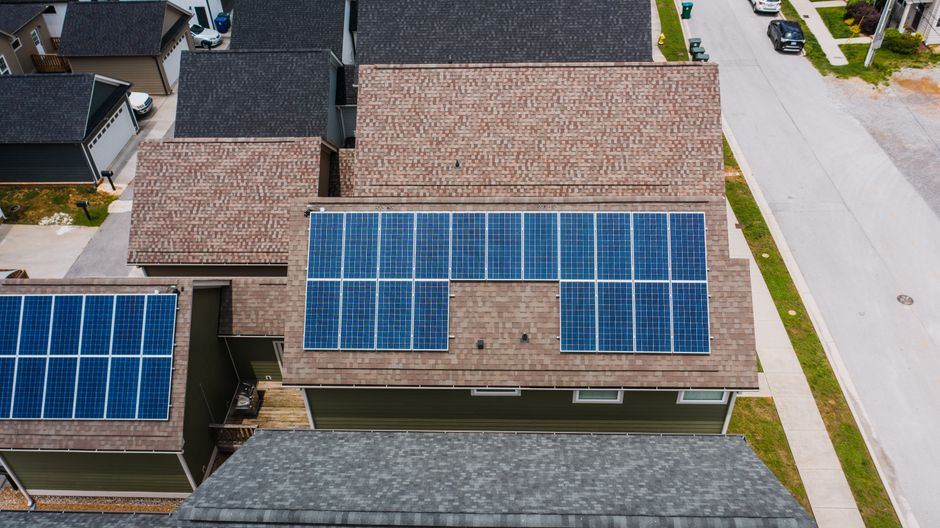
Your neighbor just got solar panels installed for $0 down, and suddenly your electricity bill looks even more offensive than usual. The installer made it sound simple: sign a lease, get panels, save money. What’s not to love? Quite a bit, actually. Solar leases have helped millions of Americans get panels on their roofs without writing a five-figure check, but they’ve also trapped homeowners in contracts they didn’t fully understand, complicated home sales, and delivered savings that looked better in the pitch deck than on the bank statement. Let’s go through what a solar lease actually is, when it makes sense, and when you should walk away.
What a Solar Lease Actually Is (And How It Differs From Buying)
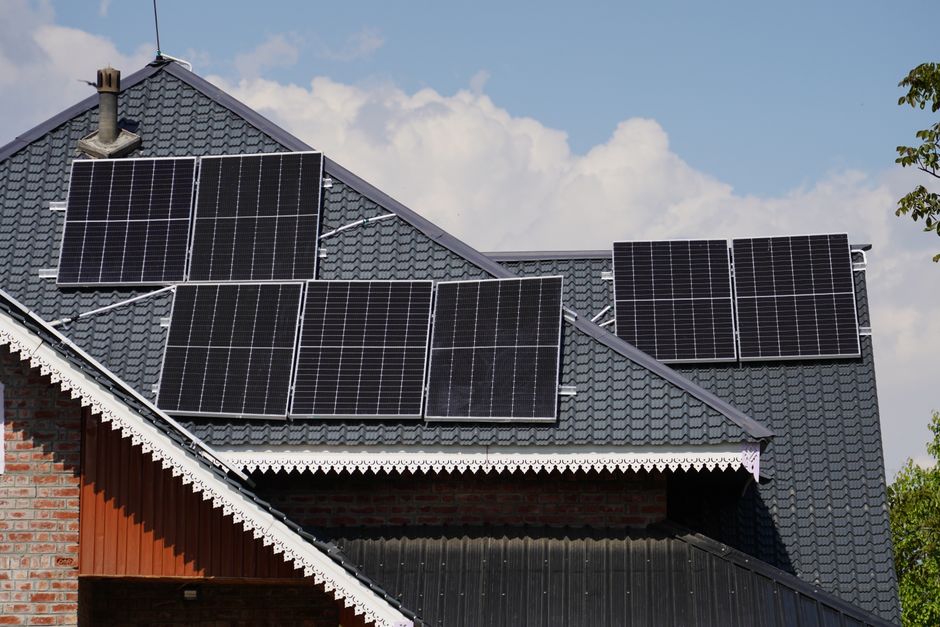
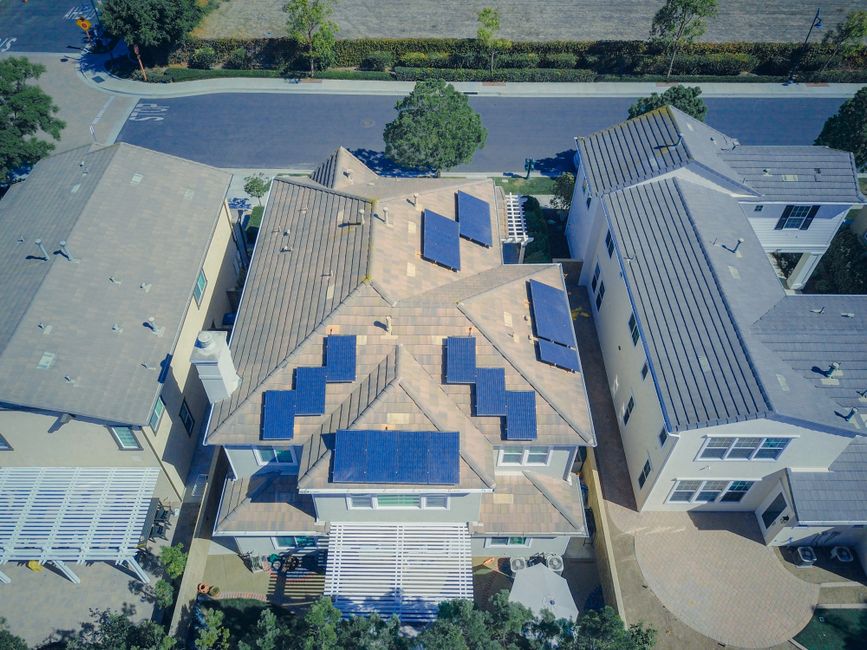
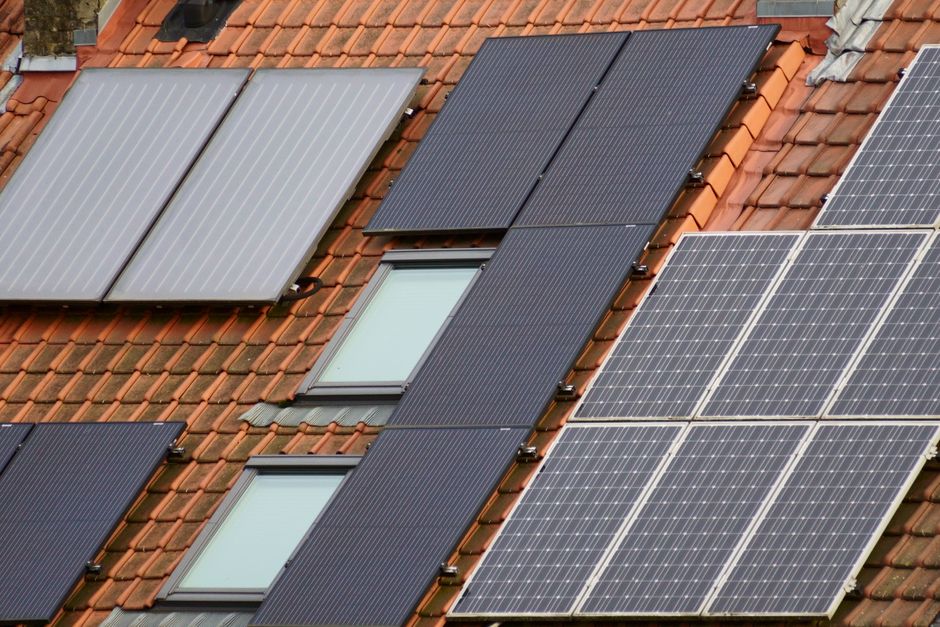
A solar lease is straightforward: a third-party company owns the panels on your roof and charges you a monthly fee to use the electricity they generate. You don’t own the equipment. You don’t claim the tax credits. You just pay a fixed monthly amount, typically lower than your current electric bill, and the leasing company pockets the 30% federal Investment Tax Credit (ITC) and any applicable renewable energy certificates (RECs).
That’s the part installers tend to gloss over. The 30% federal solar tax credit under the Inflation Reduction Act is one of the most valuable incentives in residential energy right now, and when you lease, you hand it entirely to the leasing company. On a system worth $25,000, that’s $7,500 leaving your pocket before the conversation even starts.
A solar PPA (Power Purchase Agreement) works similarly but differently. With a lease, you pay a flat monthly fee regardless of how much power the panels produce. With a PPA, you pay per kilowatt-hour for the power actually generated, usually at a rate below your utility’s retail price. Both structures leave ownership with the third party, and both deserve the same skeptical scrutiny.
Buying outright or financing with a solar loan flips the equation. You own the system. You claim the tax credit. You keep the RECs if your state has a market for them. You capture full savings for 25-plus years rather than splitting them with a corporation in San Jose.
The Real Numbers: Lease vs. Buy vs. Loan
Helpful resource: Renogy 100W 12V Flexible Solar Panel is a top-rated option for this. (As an Amazon Associate this site earns from qualifying purchases.)
Let’s put some concrete figures against the vague promises.
The average residential solar system in the U.S. costs around $30,000 before incentives, or roughly $20,000-$21,000 after the 30% federal tax credit, according to data consistently cited by EnergySage. Financed over 10-12 years at a 6-7% interest rate, monthly payments land in the $150-$200 range for a typical 8-10 kW system.
A solar lease for that same system might run $100-$150 per month with a 2-3% annual escalator clause baked in. That escalator is critical. In year one, the lease payment looks appealing. By year 15, you could be paying $175/month for a lease while a loan-financed owner is paying nothing, having cleared their debt years earlier.
Run the 25-year math:
| Financing Option | Upfront Cost | Est. 25-Year Savings | Own System at Year 25? |
|---|---|---|---|
| Cash purchase | ~$20,000 (after ITC) | $40,000-$60,000 | Yes |
| Solar loan | $0 down | $25,000-$45,000 | Yes |
| Solar lease | $0 down | $5,000-$20,000 | No |
| Do nothing | $0 | -$40,000+ (utility bills) | N/A |
These ranges are wide because utility rates, sun exposure, system size, and local incentives vary enormously. NREL’s PVWatts Calculator can generate a location-specific production estimate that cuts through the guesswork. But the pattern holds: leases deliver a fraction of the long-term financial benefit that ownership does.
When a Solar Lease Actually Makes Sense
I don’t want to be unfair here. There are real situations where a lease is the right call.
Your credit score locks you out of good loan rates. Solar loans typically require a 650-700+ FICO score to get competitive rates. If your credit puts you at 8-10% interest or higher, the math changes meaningfully, and a lease may genuinely save you more money than a high-rate loan.
You’re planning to move in under 5 years. If you own your home and know you’ll sell it within a few years, a lease can complicate things (more on that below) but the damage is limited. Buying a system you’ll sell before breakeven doesn’t make great financial sense either.
Your roof genuinely can’t handle it. Some roofs need replacement before solar can be installed. If you can’t afford both a new roof and a system purchase, a lease sidesteps the ownership equation entirely since the leasing company handles equipment maintenance and, often, production guarantees.
You want zero maintenance responsibility. Under most lease agreements, if the inverter fails or production drops below a guaranteed threshold, that’s the leasing company’s problem. Owners handle their own warranty claims and equipment issues. For some homeowners, the hands-off arrangement has real value.
The Lease Traps That Catch Homeowners Off Guard
The escalator clause. Most leases include an annual payment increase of 2-3%. It sounds modest. Over 20 years at 2.9% annual growth, your monthly payment nearly doubles. If utility rates in your area don’t rise that fast (and historically in some states they haven’t), you could end up paying lease rates that exceed what you’d have paid on the grid.
The home sale complication. This one kills deals. When you sell your home, the buyer either needs to qualify to assume your lease or you have to buy out the remaining contract. Buyout costs are often calculated in ways that favor the leasing company. I’ve seen clients lose sales or eat $15,000-$20,000 in buyout costs because they didn’t factor this in. The U.S. Department of Energy’s homeowner guide on solar explicitly flags lease transfer complications as one of the top issues to address before signing.
Production guarantees have fine print. If a lease promises you 90% of projected annual production and you receive only 88%, the company owes you a credit. Sounds protective. But if production drops due to shading from a tree you planted, that’s typically excluded. Read what voids the guarantee.
End-of-lease options are rarely great. When a 20 or 25-year lease expires, you usually have three choices: renew the lease at terms they set, buy the aging equipment at fair market value (which on 25-year-old panels is likely low, but the negotiation is theirs to control), or have them remove the equipment. Removal sometimes comes with a fee and always comes with holes in your roof.
You don’t build equity. With a purchased system, you own an asset. It adds to your home’s value, roughly $4-$6 per watt saved annually according to Zillow research on solar home premiums. A leased system adds no value to your home and may actually complicate a buyer’s financing approval.
How to Evaluate a Solar Lease Offer: A Step-by-Step Approach
Before you sign anything, work through this process.
Step 1: Get the escalator number in writing. Ask specifically: what is the annual percentage increase on lease payments, and is it fixed or variable? 0% escalators exist and are far better than 2.9%.
Step 2: Calculate your 20-year lease cost. Take your monthly payment, apply the escalator year by year, and sum the total. Then compare it against what a solar loan would cost over the same period (with $0 payments after loan payoff).
Step 3: Get a competing loan quote. Mosaic, GoodLeap, and Sunlight Financial are major solar lending platforms. Get an actual rate quote before accepting a lease as your only option.
Step 4: Check your state incentives. Some state credits and utility rebates can only be claimed by the system owner. A lease eliminates your access to these. DSIRE.org lists every state-level solar incentive in the country.
Step 5: Ask about the buyout schedule. Get the full buyout cost structure for years 5, 10, 15, and 20. If it’s not transparent, treat that as a red flag.
Step 6: Read the home sale transfer clause. Specifically: what qualifies a buyer to assume the lease, and who covers transfer fees?
Step 7: Monitor what you’re getting. If you do sign a lease, a home energy monitor like the Emporia Vue Energy Monitor (Amazon, commissions may apply) lets you independently verify your system’s production against the lease guarantee, so you’re not just trusting the installer’s app. (Disclosure: this site may earn a commission on qualifying purchases.)
Solar leases solved a real problem when they emerged: they made solar accessible to people who couldn’t write a five-figure check in 2010. That was genuinely valuable. But solar loan products have matured significantly, installation costs have dropped more than 60% over the last decade per SEIA data, and the federal tax credit makes ownership far more attractive than it was when leases dominated the market. For most homeowners with decent credit who plan to stay put, a loan-financed purchase beats a lease on every financial metric that matters. The lease isn’t always wrong. It’s just rarely the best answer available.
Sources
- Renogy 100W 12V Flexible Solar Panel
- Emporia Vue Energy Monitor
- P3 Kill A Watt Electricity Usage Monitor
- Jackery Explorer 300 Portable Power Station
- Kindel Media
Disclosure: As an Amazon Associate, we earn a small commission from qualifying purchases at no extra cost to you. We only recommend products that genuinely support the topics covered in this article.
- Renogy 200W Solar Starter Kit + 30A Charge Controller (~$169), Complete beginner solar kit, 200W monocrystalline panel, charge controller, and mounting hardware included.
- EF EcoFlow DELTA 2 Portable Power Station (1024Wh) (~$599), 1024Wh LFP battery with 1800W output, top-rated solar generator for home backup power. Charges in under 2 hours.
Recommended Resources
Disclosure: As an Amazon Associate, we earn a small commission from qualifying purchases at no extra cost to you. We only recommend products that genuinely support the topics covered in this article.
- Renogy 200W Solar Starter Kit + 30A Charge Controller (~$169), Complete beginner solar kit, 200W monocrystalline panel, charge controller, and mounting hardware included.
- EF EcoFlow DELTA 2 Portable Power Station (1024Wh) (~$599), 1024Wh LFP battery with 1800W output, top-rated solar generator for home backup power. Charges in under 2 hours.