 Craig Stevens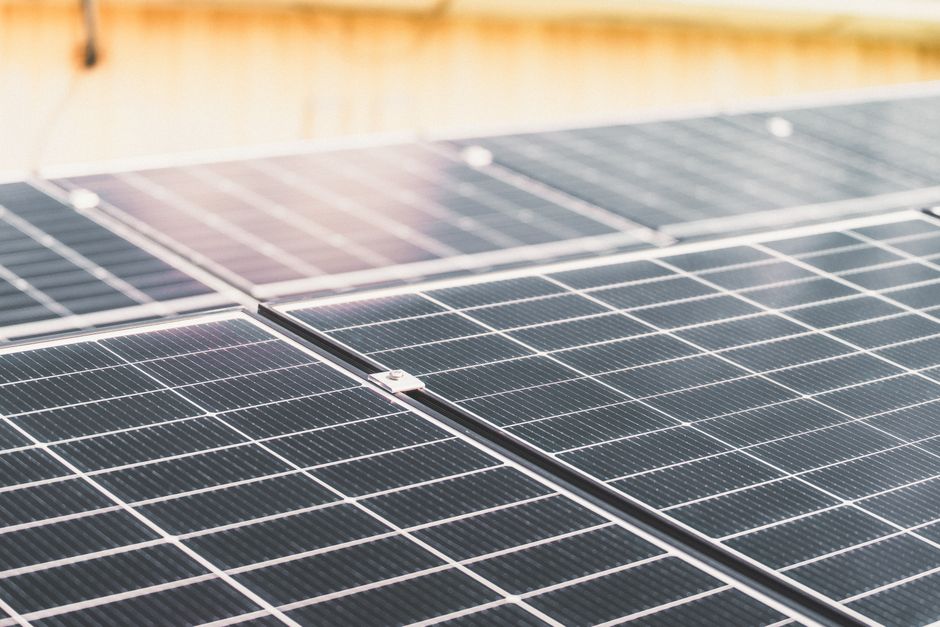
Most homeowners I talk to hear “PACE financing” for the first time from a door-to-door solar salesperson, and that’s… not the ideal introduction. You’re standing on your porch, someone’s handing you a brochure, and they’re saying things like “no money down” and “attached to your property, not your credit.” It sounds almost too good. And you’re right to pause.
Here’s what I tell people in that situation: PACE is a real, legitimate financing tool, but it has some serious strings attached that salespeople rarely lead with. Let me walk you through the whole picture.
PACE stands for Property Assessed Clean Energy. The basic structure is this: instead of taking out a personal loan to pay for solar panels, you borrow from a private PACE lender (companies like Ygrene, Mosaic, or Renovate America’s Benji program), and that debt gets attached to your property as a tax assessment. You repay it as a line item on your property tax bill, typically twice a year. The loan stays with the house, not with you personally, which is either a feature or a landmine depending on your situation.
- PACE loans attach to your home's property tax bill, not your credit, meaning repayment follows the house if you sell.
- Current PACE interest rates run 6%–10%+, often higher than a home equity loan or FHA Title I loan.
- 35 states currently have active PACE programs; California, Florida, and Missouri are the largest markets.
- Missed PACE payments can trigger the same foreclosure process as unpaid property taxes, this is not a soft consequence.
- PACE financing may disqualify you for future refinancing unless your mortgage lender consents upfront.
How the Numbers Actually Stack Up
Let’s put some real figures on this. A typical residential solar installation in 2026 runs about $18,000–$28,000 before the federal Investment Tax Credit (ITC), which sits at 30% under current law. After the ITC, you’re often looking at a net cost of $12,600–$19,600.
A PACE loan on that middle-of-the-range $22,000 system, at 8.5% over 20 years, generates total repayment costs of roughly $45,800. I’ve sat across from homeowners who signed PACE agreements and genuinely didn’t realize they were committing to nearly double the system cost over time. That’s not predatory in the legal sense, necessarily, but it’s a design that rewards not reading the fine print.
Compare that to a few alternatives:
| Financing Option | Typical Rate (2026) | Term | $22,000 System Total Repayment | Key Risk |
|---|---|---|---|---|
| PACE Loan | 6.99%–10.99% | 10–25 years | $38,000–$52,000+ | Attaches to property; foreclosure risk |
| Home Equity Loan | 7.5%–9.0% | 10–15 years | $33,000–$40,000 | Uses home as collateral |
| Solar-Specific Loan (Mosaic, GoodLeap) | 5.99%–9.99% | 10–25 years | $35,000–$50,000 | Personal credit required |
| Cash Purchase + ITC | N/A | N/A | $15,400 (after ITC) | High upfront capital required |
| FHA Title I Loan | ~6.5% | Up to 20 years | ~$39,000 | Income/credit qualification required |
The PACE loan doesn’t look wildly out of line on interest rate alone. Where it diverges is in the combination of rate, term length, and that property-lien structure. That last part is what matters most.
The Property Lien Problem (and When It Bites You)
Helpful resource: Renogy 100W 12V Flexible Solar Panel is a top-rated option for this. (As an Amazon Associate this site earns from qualifying purchases.)
This is the part I wish more salespeople explained clearly, and I’ll admit I underestimated it myself when I first started looking at PACE deals years ago. I assumed the lien was basically benign. It’s not.
PACE liens are typically senior to your mortgage in some states, meaning if you default on your property taxes (including the PACE assessment), a PACE servicer can initiate foreclosure proceedings before your mortgage lender gets paid. Fannie Mae and Freddie Mac have explicitly said they will not purchase mortgages with first-lien PACE obligations. So if you’ve got a conventional mortgage and you take out a PACE loan without your lender’s blessing, you may technically be in violation of your mortgage terms.
There’s another practical trap: selling your home. The PACE loan transfers with the property, which sounds convenient until a buyer’s lender refuses to underwrite the mortgage because of the outstanding PACE lien. I’ve talked with homeowners who had to scramble to pay off a PACE balance at closing because otherwise the sale would have fallen apart. One couple in Sacramento told me they had to come up with an unexpected $14,000 to clear the lien before they could hand over keys.
The National Renewable Energy Laboratory (NREL) has noted in research on residential clean energy financing that PACE’s transferability feature, while marketed as a benefit, creates complications in real estate transactions that aren’t always disclosed upfront.
Who PACE Actually Works For
What Type of Solar Panel Should You Buy? · The Solar Lab on YouTube
I don’t want to make PACE sound like a pure villain. There are homeowners for whom it genuinely makes sense.
If your credit score is below 640 and you don’t have home equity to borrow against, your options for solar financing are genuinely limited. PACE programs typically underwrite based on home equity and property value, not your FICO score. That’s meaningful for people who’ve been through a bankruptcy, a medical debt spiral, or just haven’t built credit history.
Here’s a scenario that plays out reasonably well: a homeowner in Florida with a home worth $380,000, a paid-off mortgage, no plans to sell in the next 15 years, and a credit score around 590 might find PACE to be the most accessible path to solar. PACE loan at 7.5% over 15 years on a $19,000 system → total repayment of about $32,100 → monthly property tax increase of roughly $178 → offset by an estimated $160–$220/month in electricity savings based on average Florida utility rates. The math can work. It’s not optimal, but it’s not reckless either.
The 35 states with active PACE programs, per the Solar Energy Industries Association (SEIA), vary significantly in consumer protections. California, after a wave of complaints, tightened PACE regulations in 2018 and added disclosure requirements. Florida’s rules are looser. Missouri sits somewhere in between. Where you live genuinely determines how protected you are as a borrower.
What the Application Process Actually Looks Like
PACE applications are faster and simpler than most loans, which is part of why contractors like them. Here’s roughly how it goes:
The contractor submits your property information to a PACE provider. You get a phone or online application, answer questions about your property, and receive a preliminary approval, often within 24 hours. There’s no income verification in most states. No W-2s, no pay stubs. What they check is your property’s equity position and whether you’re current on property taxes.
After approval, you sign a financing agreement. This is the moment to slow down. The disclosure document should include the total repayment amount, the APR, and the lien language. Read that section specifically. If a contractor is rushing you through signatures, that’s worth noting.
Once the installation is complete, the PACE provider funds the contractor directly. Your repayment begins with your next property tax cycle. One thing people don’t always realize: if your closing happens mid-year, you might not make your first PACE payment for six to twelve months, which can create a false sense that the loan is cheaper than it is.
Sources
- Solar Energy Industries Association (SEIA): State-by-state PACE program data and residential solar financing overviews
- National Renewable Energy Laboratory (NREL): Research on residential clean energy financing structures and PACE lien implications
- Consumer Financial Protection Bureau (CFPB): Consumer complaints and guidance on PACE lending practices and disclosures
- EnergySage Solar Marketplace: Current solar installation cost benchmarks and financing comparisons, 2026
- Fannie Mae Lender Letters (LL-2018-05): Guidelines on PACE obligations and mortgage eligibility
Photo: Elite Power Group via Pexels
Recommended Resources
Disclosure: As an Amazon Associate, we earn a small commission from qualifying purchases at no extra cost to you. We only recommend products that genuinely support the topics covered in this article.
- Renogy 200W Solar Starter Kit + 30A Charge Controller (~$169), Complete beginner solar kit, 200W monocrystalline panel, charge controller, and mounting hardware included.
- EF EcoFlow DELTA 2 Portable Power Station (1024Wh) (~$599), 1024Wh LFP battery with 1800W output, top-rated solar generator for home backup power. Charges in under 2 hours.
- Renogy 2×100W Monocrystalline Solar Panels (~$99), Expandable 200W panel set from the most trusted DIY solar brand, used widely in off-grid and home backup systems.