 Nadia Patel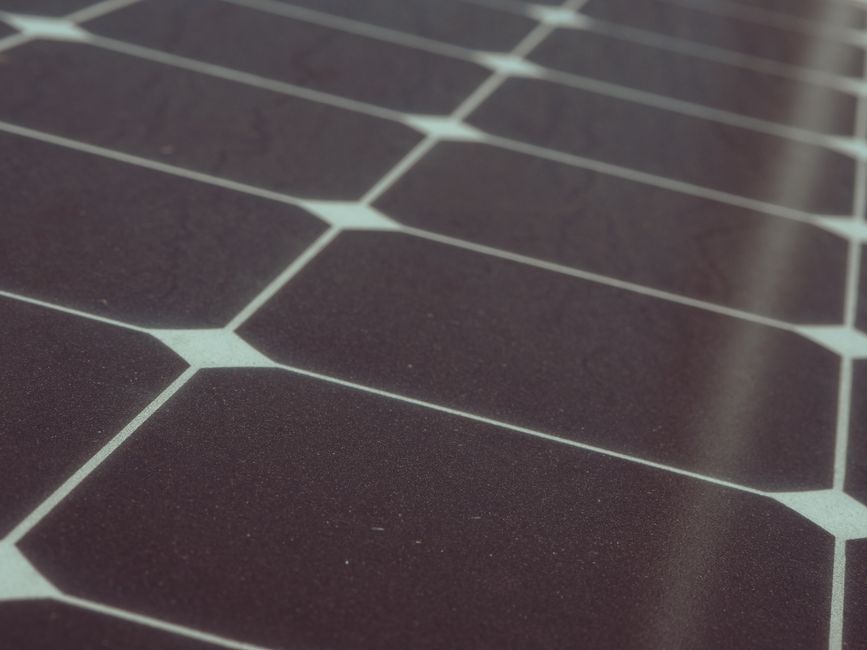
Most solar coverage about the Pacific Northwest makes the same mistake: it leads with sunshine maps that show the region as a gray wasteland, scares people off, and stops there. That’s wrong, and the numbers prove it.
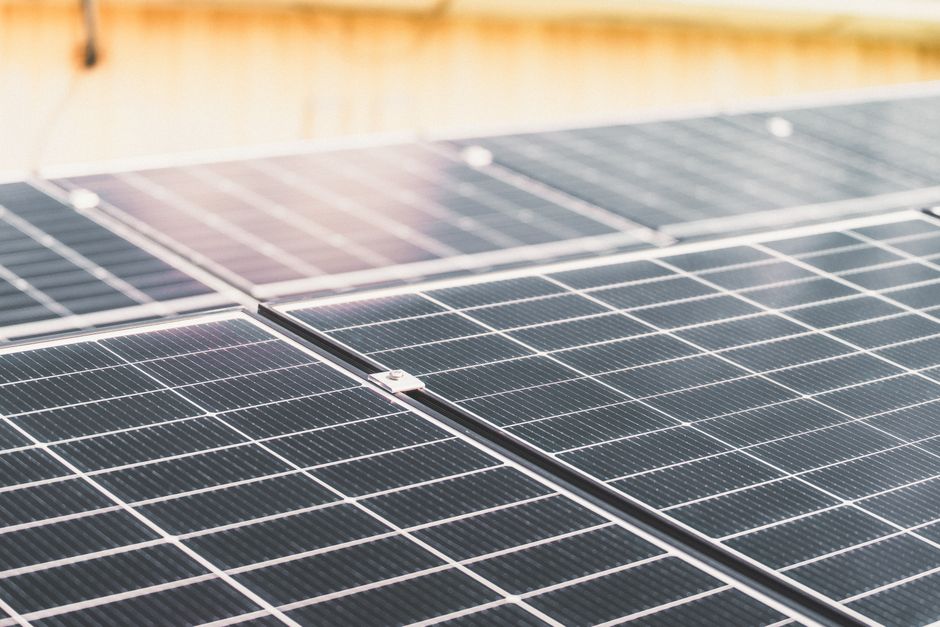
Seattle gets roughly 2,080 hours of daylight per year. Solar panels don’t run on direct sunshine alone; they run on daylight, and modern monocrystalline panels are genuinely efficient in diffuse, overcast conditions. Germany, which produces more solar energy per capita than almost anywhere on earth, gets less annual sun than Portland. I’ve walked through that comparison with dozens of skeptical homeowners in the Willamette Valley, and it’s the single fact that changes minds fastest.
The real variables in the Pacific Northwest aren’t cloud cover. They’re your roof angle, your utility’s net metering policy, and whether you qualify for the state-specific incentives that most installers underplay because they’re complicated to explain in a sales pitch.
- Pacific Northwest solar payback runs 8-12 years, competitive with many Sun Belt markets due to strong incentives.
- Oregon and Washington both offer state incentives stacked on the federal 30% Investment Tax Credit (ITC).
- Net metering rates vary sharply by utility, PSE, PGE, and PacifiCorp customers face meaningfully different math.
- Seattle averages 4.0 peak sun hours/day; Portland averages 4.5, both workable for residential solar.
- A south-facing, unshaded 8 kW system in Portland will typically generate around 8,200 kWh/year.
The Numbers Behind the Gray Sky
Let me give you a concrete baseline. A typical PNW home uses between 9,000 and 11,000 kWh per year, which is actually lower than the national average (around 10,500 kWh) partly because air conditioning loads are smaller here. That matters because a system that offsets your full usage is a smaller, cheaper system than what a Phoenix homeowner needs.
Average system size in the region runs around 7 to 9 kW. EnergySage’s market data puts the pre-incentive cost for a quality residential system at roughly $2.70 to $3.10 per watt installed in the Pacific Northwest as of 2026, which puts an 8 kW system at $21,600 to $24,800 before any credits.
After the federal 30% ITC, you’re looking at $15,120 to $17,360. Oregon’s Residential Energy Tax Credit adds up to $6,000 more (spread over four years). Washington doesn’t have a state income tax credit, but it exempts solar equipment from sales tax and property tax, which is worth more than people realize on a $20,000 system.
Bend is the sleeper here. Eastern Oregon sun hours rival parts of California. I’ve seen homeowners in Sisters and Redmond hit payback in under seven years with the right setup.
Utility Net Metering: Where the Math Gets Brutal
Helpful resource: P3 Kill A Watt Electricity Usage Monitor is a top-rated option for this. (As an Amazon Associate this site earns from qualifying purchases.)
This is where I have to be honest in a way most solar salespeople won’t: net metering in the Pacific Northwest is in transition, and some customers are getting a much worse deal than others.
Here’s the current situation, as of August 2026:
| Utility | Net Metering Policy | Credit Rate | Monthly Cap | Notes |
|---|---|---|---|---|
| Portland General Electric (PGE) | Retail-rate NEM | ~$0.12/kWh | 100% of load | Under review for 2027 changes |
| Pacific Power (PacifiCorp) | Retail-rate NEM | ~$0.11/kWh | 100% of load | Phase-out to avoided-cost rate proposed |
| Puget Sound Energy (PSE) | Net metering | ~$0.11/kWh | 100% of load | New interconnection wait times: 6-9 months |
| Seattle City Light | Net metering | ~$0.10/kWh | 100% of load | Rate differential small; payback is longer |
| Pacific Northwest Utilities (rural PUDs) | Varies widely | $0.03-$0.09/kWh | Varies | Some only offer avoided-cost credits |
That third column matters more than any other number in this article. If your utility credits excess generation at avoided-cost rates ($0.03 to $0.05 per kWh) instead of retail rates ($0.10 to $0.12), your financial model collapses. I’ve reviewed proposals where installers built a full retail-rate projection for customers served by a rural PUD that only pays avoided cost. The homeowner was looking at an 18-year payback, not 10. Know your utility before you sign anything.
Check your utility’s interconnection queue, too. PSE in particular has had significant delays this year.
Oregon vs. Washington: A Side-by-Side
The incentive stacks are different enough to warrant their own breakdown.
Oregon: The Residential Energy Tax Credit (RETC) gives you up to $6,000 against state income tax, claimed over four years at $1,500/year. The Energy Trust of Oregon also offers cash incentives that currently run $300 to $600 for most residential systems. Stack the federal ITC, RETC, and Energy Trust cash, and a Portland homeowner buying an 8 kW system might net out around $12,000 to $13,500 after all incentives on a $22,000 install.
Portland homeowner, 8 kW system at $22,400 → Federal ITC ($6,720) + Oregon RETC ($6,000 over 4 years) + Energy Trust cash ($450) → Effective net cost: approximately $9,230, payback around 9 years at current PGE rates.
Washington: No state income tax credit. But Washington’s solar sales tax exemption saves you roughly $1,400 to $1,800 on a typical system, and the property tax exemption means the added home value from solar won’t bump your tax bill for 10 years. Some Washington PUD customers also get small production incentives. Less flashy than Oregon’s credits, but not nothing.
Spokane homeowner, 7 kW system at $19,600 → Federal ITC ($5,880) + Sales tax exemption (~$1,470) + No property tax increase for 10 years → Effective net cost: ~$12,250, payback approximately 10-11 years (Inland Empire sun hours help).
Roof, Shading, and the Things Installers Rush Past
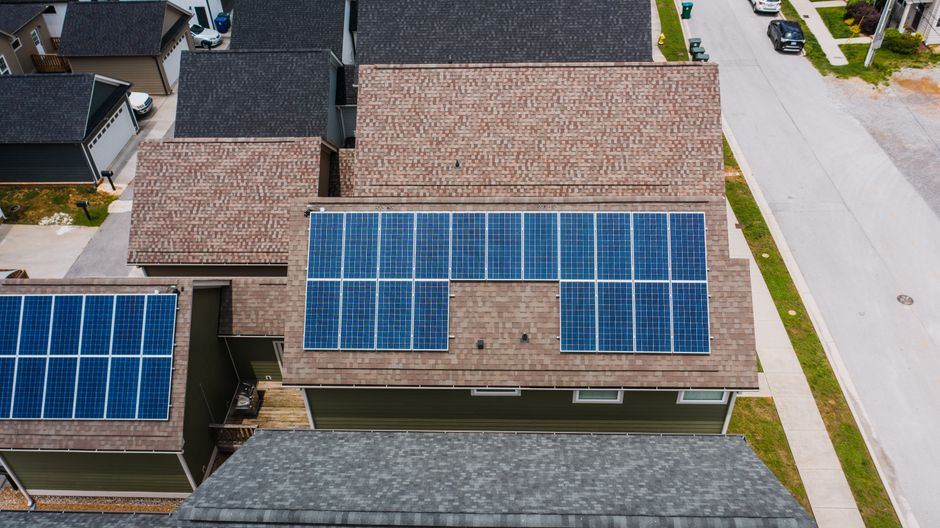
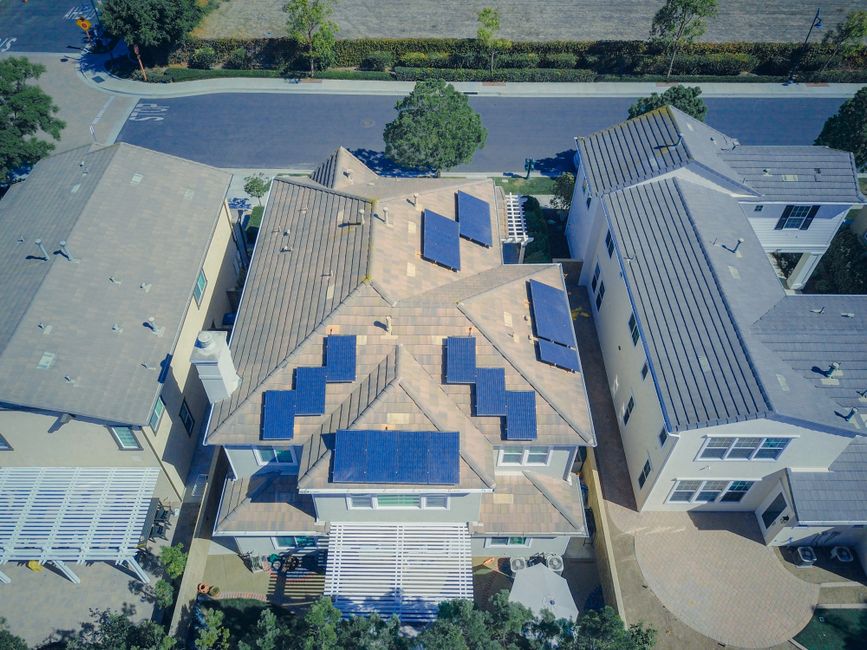
South-facing roofs at a 30 to 40-degree pitch are ideal. You already knew that. What’s less obvious: in the PNW, a west-facing roof often outperforms east-facing because afternoon sun tends to be clearer than morning sun in coastal areas. I’ve seen west-facing arrays in the Portland metro outperform east-facing equivalents by 7 to 9% annually. A good installer will model both orientations in PVWatts before recommending placement.
Shading is the killer. Douglas firs are beautiful. They will also destroy your production numbers. One fully shaded panel on a string inverter can drag down the entire array. If you have significant tree shading, the answer is microinverters (Enphase IQ8 series is the dominant choice in the market right now, running about $150 to $200 per unit installed) or a DC optimizer system like SolarEdge. The added cost, typically $800 to $1,500 more than a string inverter setup, almost always pays back in recovered production in shaded PNW conditions.
I made the mistake early in my career of approving a string inverter proposal for a client on a wooded lot in Lake Oswego. First-year production was 22% below the model. The fix cost more than doing it right would have. If you have trees anywhere near your roof, ask specifically about panel-level electronics and don’t let a salesperson wave that question away.
Batteries in the PNW: Honestly, The Math Is Harder
Everyone asks about adding a Powerwall or a Franklin WH10 to go “grid independent” during PNW storms. I understand the appeal; outages here from wind and ice events are real. But if your only goal is backup power, the economics are rough.
A Tesla Powerwall 3 runs about $11,500 to $12,500 installed in 2026. It provides approximately 13.5 kWh of usable storage. The federal ITC now covers battery storage at 30%, which brings it to around $8,000 out of pocket. For backup-only use, that’s a lot of money for a device that might run your critical loads for 12 to 20 hours during an outage.
Where batteries make better financial sense in the PNW: if your utility introduces time-of-use rates (PGE is piloting this) and you can charge from solar midday and discharge in the evening peak window. That arbitrage doesn’t fully exist yet for most PNW customers, but it’s coming.
My honest take: in 2026, batteries in the Pacific Northwest are an insurance product, not a financial product. Buy one if power reliability is worth $8,000 to you. If you’re primarily motivated by ROI, wait two to three years for the rate structures to catch up.
Sources
- NREL PVWatts Calculator: Used for regional peak sun hour estimates by city
- Solar Energy Industries Association (SEIA): National and state-level installation, policy, and market data
- EnergySage Market Intelligence: Installer pricing benchmarks and consumer solar quotes data
- Energy Trust of Oregon: Oregon residential solar incentive amounts and eligibility
- Washington State Department of Commerce: Washington sales tax exemption and property tax incentive documentation
Photo: Kindel Media via Pexels
Recommended Resources
Disclosure: As an Amazon Associate, we earn a small commission from qualifying purchases at no extra cost to you. We only recommend products that genuinely support the topics covered in this article.
- Renogy 200W Solar Starter Kit + 30A Charge Controller (~$169), Complete beginner solar kit, 200W monocrystalline panel, charge controller, and mounting hardware included.
- EF EcoFlow DELTA 2 Portable Power Station (1024Wh) (~$599), 1024Wh LFP battery with 1800W output, top-rated solar generator for home backup power. Charges in under 2 hours.