 Alex Rivera
A few weeks ago, a friend texted me a photo of two solar panels zip-tied to her apartment balcony railing, plugged into a standard wall outlet. “Is this legal?” she asked. Six months ago, the answer in her state would have been a hard no. Today, depending on where you live, the answer is changing fast.
A wave of state legislation in 2026 has quietly made plug-in solar, also called balcony solar, legal without permits, utility agreements, or licensed installers in at least eight U.S. states. And with the federal 30% residential tax credit now gone, this sub-$1,000 entry point has become the most-talked-about solar option for renters, apartment dwellers, and homeowners who want to do something without committing to a $20,000 rooftop system. The timing matters. Several major states are in the final weeks of their legislative windows right now.
What “Plug-In Solar” Actually Means
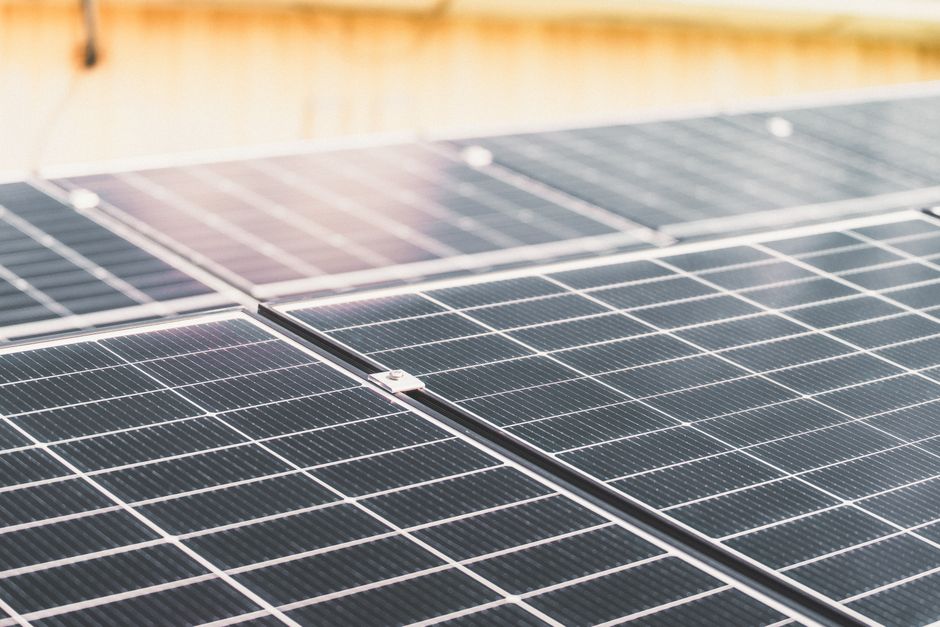
This isn’t rooftop solar lite. It’s genuinely different. You buy a kit, typically one or two panels with a microinverter, mount it on a balcony railing or backyard fence, plug it into a standard 120V or 240V outlet, and it feeds power directly into your home’s circuits. No permits. No utility call. No installer in legal states.
Starter kits run $500 to $1,100 for an 800W system, according to Solar.com’s 2026 guide. That 800W array can offset roughly 15 to 25% of a typical apartment’s monthly electricity use. Not your whole bill, but a real, meaningful dent. For renters who have never had a solar option at all, this is significant.
What most people don’t realize is that the technology has been around for years. Europe, particularly Germany, has had millions of these units running since the early 2020s. The holdup in the U.S. was never the hardware. It was a safety certification gap and utility industry resistance. The UL Solutions launch of the UL 3700 certification standard in January 2026 resolved the main safety objection that had blocked legislation in state after state. Once that standard dropped, bills started moving.
The 8 States Where It’s Already Legal, and the Big Ones Still Deciding
Helpful resource: Jackery SolarSaga 100W Solar Panel is a top-rated option for this. (As an Amazon Associate this site earns from qualifying purchases.)
Utah, Maine, Virginia, Colorado, Maryland, Connecticut, New Hampshire, and Vermont have all enacted laws legalizing plug-in solar. The details vary by state, and the wattage caps matter a lot.
Colorado’s HB26-1007, signed by Governor Polis on May 7, 2026, set the highest cap in the country at 1,920 watts per meter. That’s 60% higher than most other states and enough to run two or three panels with serious output. If you’re in Colorado and want to maximize what a plug-in system can do, you have more room to work with than anywhere else in the U.S.
Now look at what’s happening right now. On June 30, 2026, New Jersey’s Garden State Balcony Solar Act passed both chambers unanimously, 40-0 in the Senate and 79-0 in the Assembly, and is waiting for the governor’s signature. On July 1, the Massachusetts Senate passed an energy bill that includes balcony solar provisions. New York’s SUNNY Act (A9111C/S8512C) passed both chambers and is on Governor Hochul’s desk. And California’s SB 868, authored by Senator Scott Wiener, passed a Senate committee 12-0 and faces an August 31 deadline for an Assembly floor vote.
California is the one I’m watching most closely. The state’s average residential electricity rate is $0.314 per kilowatt-hour, second highest in the country. At that rate, an 800W system producing even modest output pays back faster than almost anywhere else. The stakes of that August 31 deadline are real.
The Safety Question (and Why It’s Now Answered)
I’ve seen a lot of skepticism from electricians and utility representatives about these systems, and honestly, some of it was fair. Older plug-in solar setups had no standardized safety certification in the U.S. The concern was backfeed, fire risk from poor connections, and incompatibility with home wiring.
UL 3700, launched in January 2026, changed that. It’s a full certification standard specifically designed for plug-in solar systems, covering anti-islanding protection (so the system shuts off if grid power goes out, protecting utility workers), connector safety, and inverter performance. If a kit carries UL 3700 certification, it’s cleared the same kind of vetting process that covers your dishwasher or space heater. That’s the standard to look for when shopping.
What most installers won’t tell you: not every kit on the market carries it yet. Check before you buy.
What Renters and Apartment Dwellers Need to Know Before Buying
Even in a state where plug-in solar is legal, your landlord still controls your balcony. A state law legalizing the technology doesn’t automatically override a lease clause that prohibits modifications or alterations. Some states are addressing this directly, New Jersey’s bill includes landlord permission language, but many don’t. Read your lease first.
Here’s a practical breakdown of what varies by situation:
| Situation | Key question | What to do first |
|---|---|---|
| Renter, apartment balcony | Does your lease allow it? | Check lease, ask landlord in writing |
| Homeowner, legal state | Is your HOA on board? | Review HOA rules; some states override HOA bans |
| Homeowner, state not yet legal | Are you covered by utility rules? | Check state PUC, some utilities have their own policies |
| Renter, state not yet legal | No legal protection yet | Wait for legislation or confirm utility tolerance |
The Canary Media report from July 2, 2026 noted that even in states with laws on the books, utility companies vary widely in how they respond to customers with plug-in systems. Most simply ignore them since the systems are too small to register meaningfully on metering. But if your utility has an explicit prohibition, a state legalization law may not fully shield you yet, especially before implementing regulations are written.
The Cost Math Without the Tax Credit
Here’s the honest version. The 30% federal tax credit that made rooftop solar financially obvious for most homeowners is gone. A plug-in system doesn’t fill that gap for someone who was planning a full rooftop installation. It’s a different product for a different situation.
But for someone in a legal state paying California-level rates, the math is reasonable. A $900 kit producing 800W in a decent sun climate might cut $15 to $25 off a monthly electricity bill, according to figures from Solar.com and WattBuild. That’s a 3 to 5 year simple payback, no installer, no permit fees, no utility application. I’ve seen rooftop installations with worse economics after incentives.
The plug-in solar wave isn’t a replacement for rooftop solar. It’s the thing that finally lets everyone else participate.
If you’re in one of the eight states where this is already legal, the barrier to entry is now mostly just a credit card and a south-facing wall. If you’re in New Jersey, New York, Massachusetts, or California, watch the next 60 days closely. The legislative windows closing this summer will determine whether millions more people get access to the cheapest entry point into solar that has ever existed in the U.S.
Sources
- PlugInSolarUS , State Legislation Tracker (Updated May 2026)
- Canary Media , Where Does Balcony Solar Stand in Your State? (July 2, 2026)
- TechRadar , Home Battery Installations Hit Record High as 30 States Plan to Legalize Plug-In Solar (July 12, 2026)
- Solar.com , 2026 Guide to Balcony & Plug-In Solar (July 11, 2026)
- WattBuild , Balcony Solar in the US in 2026 (April 11, 2026)
- US Solar Supplier , Plug-In Solar Guide 2026 (April 29, 2026)
Recommended Resources
Disclosure: As an Amazon Associate, we earn a small commission from qualifying purchases at no extra cost to you. We only recommend products that genuinely support the topics covered in this article.
- Renogy 200W Solar Starter Kit + 30A Charge Controller (~$169), Complete beginner solar kit, 200W monocrystalline panel, charge controller, and mounting hardware included.
- EF EcoFlow DELTA 2 Portable Power Station (1024Wh) (~$599), 1024Wh LFP battery with 1800W output, top-rated solar generator for home backup power. Charges in under 2 hours.