 Nadia Patel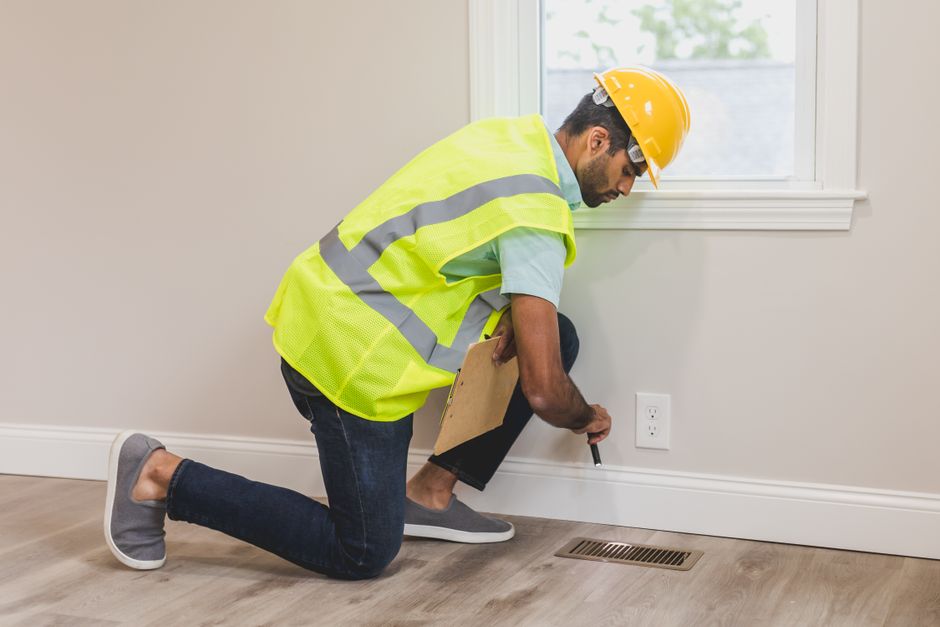
Most homeowners I talk to have it backwards. They call a solar installer, get a quote for a 10-kilowatt system, and start daydreaming about a $0 electric bill , before they’ve ever looked at why their bill is so high in the first place.
I’ve sat through enough post-installation consultations to know how this plays out. Someone spends $28,000 on solar panels. Six months later they’re frustrated because their bill isn’t zero. And when we dig into the numbers, it turns out their HVAC system is 19 years old, their attic has R-11 insulation in a climate that needs R-49, and they never switched off their second electric water heater. Solar didn’t fix any of that. It just put a cleaner label on the problem.
Here’s the thing: every dollar you cut from your monthly electric bill before sizing your solar system means you need fewer panels, which means a smaller loan, lower monthly payments, and a faster payback period. A family in Phoenix dropping from $340/month to $210/month before going solar might need 7kW instead of 11kW. That difference is roughly $8,000-$12,000 in equipment. That’s not a rounding error.
- Cutting energy use before sizing solar reduces system cost by $8,000-$15,000 for many households.
- LED lighting and smart power strips payback in under 12 months; do these first.
- An aging HVAC system can consume 50%+ of your home's electricity; address it before panel sizing.
- Switching to a heat pump water heater typically saves $300-$550/year and shrinks required solar capacity.
- A home energy audit (often $150-$400) reveals exactly where to cut before your solar quote.
Start With What’s Actually Eating Your Bill
Most people guess wrong about their biggest loads. They think it’s the lights or the TV. It’s almost never the lights or the TV.
In most homes, heating and cooling is 40-60% of total electricity use, followed by water heating at around 14-18%, then the refrigerator, washer and dryer, and miscellaneous plug loads. According to data from the U.S. Energy Information Administration that EnergySage’s market analysts have cited repeatedly, HVAC and water heating alone account for more than half of a typical home’s electric consumption. If you’re not touching those two categories, you’re optimizing around the edges.
The fastest way to know your actual breakdown is to get a home energy monitor. I’ve had good results with the Emporia Vue 2 (around $109-$130 as of this writing, and the site may earn a commission on that link). It clips onto your breaker panel circuits and gives you real-time consumption data by circuit. The first week I had it running in my own house, I found out my chest freezer in the garage was pulling 7.2 kWh per day, which was more than my refrigerator and dishwasher combined. I unplugged it. Done.
If you want a cheaper starting point, a plug-in watt meter like the Kill A Watt P4400 lets you measure individual appliances for about $20-$30. Not as elegant, but it works.
The Real Savings Hierarchy
Helpful resource: Jackery SolarSaga 100W Solar Panel is a top-rated option for this. (As an Amazon Associate this site earns from qualifying purchases.)
Not all efficiency upgrades are equal. Some have 2-year paybacks. Some have 18-year paybacks and you’ll have moved before you see the return. Before spending a dollar, know where you are on this list.
| Upgrade | Avg. Upfront Cost | Annual Savings (est.) | Simple Payback |
|---|---|---|---|
| LED bulbs (whole house) | $80-$200 | $150-$250 | Under 1 year |
| Smart power strips | $25-$60 | $60-$130 | Under 1 year |
| Smart thermostat (Ecobee, Nest) | $130-$250 | $130-$200 | 1-2 years |
| Air sealing (DIY weatherstripping) | $50-$200 | $100-$300 | Under 1 year |
| Attic insulation (to recommended R-value) | $1,500-$4,000 | $300-$700 | 3-7 years |
| Heat pump water heater | $1,200-$2,000 installed | $300-$550 | 3-5 years |
| Heat pump HVAC (replacing old central AC) | $8,000-$20,000 installed | $500-$1,500 | 8-15 years |
| New windows (double-pane) | $8,000-$20,000 | $150-$500 | 20-40 years |
I want to be blunt about windows: they are usually a terrible efficiency investment. The numbers don’t work unless your existing windows are genuinely failing (broken seals, single-pane in a cold climate). Most installers won’t tell you that because they don’t sell windows. But the Solar Energy Industries Association (SEIA) and most energy auditors will confirm: air sealing around windows beats replacing them for a fraction of the cost.
The HVAC Conversation Nobody Has Before the Solar Quote
Your solar installer will size your system based on your current consumption, which is usually your last 12 months of utility bills. If your HVAC system is 15+ years old and running at 60-70% of its original efficiency, you’re sizing solar to cover a broken system.
Here’s a scenario I’ve seen twice in the last year:
A homeowner in Atlanta, 2,600 sq ft house, $290/month average electric bill. Got a solar quote for a 12kW system at $31,000 after the federal tax credit. She decided to replace her 17-year-old heat pump first. New heat pump, professionally installed: $14,200 after rebates (and the Inflation Reduction Act heat pump tax credit brought that closer to $11,000 out of pocket). Her next 12 months averaged $155/month. She went back to solar, got re-quoted at 7kW, paid $18,500 after credits. Total spent: roughly $29,500. Total if she’d just done solar first without the HVAC upgrade: closer to $42,000 with the new HVAC added later. Same house. Same comfort. About $12,500 less spent.
The sequence matters enormously.
Water Heating Is the Low-Hanging Fruit Everyone Ignores
Heat pump water heaters deserve their own section because I’ve seen too many people skip them and regret it. A standard electric resistance water heater converts 1 kWh of electricity into roughly 1 kWh of heat. A heat pump water heater pulls heat from the surrounding air and achieves 3-4x efficiency, meaning 1 kWh becomes effectively 3-4 kWh of water heating. Brands like Rheem ProTerra and A.O. Smith Voltex have been around long enough that the reliability kinks are worked out.
The 30% federal tax credit (currently available as of July 2026 through the Inflation Reduction Act) applies to heat pump water heaters, and many utilities stack on additional rebates. In my region, after all incentives, a Rheem ProTerra 50-gallon comes in around $800-$1,000 installed. At $400/year in savings over a standard resistance heater, that’s a 2-year payback. After that you’re just banking money.
One thing installers don’t always mention: heat pump water heaters pull heat from the air around them, so they work best in spaces that are at least 700-1,000 cubic feet (an attached garage or utility room, not a tiny closet). They also cool and dehumidify that space slightly, which is a bonus in summer and a mild nuisance in a cold basement in January. Worth knowing before you commit.
Get an Energy Audit First (Seriously)
I know it sounds boring. I put it off for years myself. But a professional home energy audit, which typically runs $150-$400 depending on your area and whether it includes blower door testing, gives you a prioritized list specific to your house, not generic advice from a website. The auditor will identify your actual air leakage points, measure insulation levels by zone, and flag equipment issues.
Most utility companies offer free or subsidized audits. Type your utility name plus “home energy audit” and check before paying full price. The auditor’s report also becomes useful documentation when you eventually talk to solar installers, because it shows what your consumption should drop to after you’ve implemented the recommendations.
Sources
- SEIA (Solar Energy Industries Association): Residential solar market sizing, system cost data, and federal incentive guidance.
- EnergySage Market Data: Solar quote pricing, average system sizes, and installer comparison data for U.S. homeowners.
- U.S. Department of Energy, Office of Energy Efficiency & Renewable Energy: Home energy audit guidelines and average consumption breakdowns by end use.
- NREL (National Renewable Energy Laboratory): Appliance efficiency research, heat pump performance data, residential load analysis.
- EnergyStar Program: Certified product efficiency ratings for water heaters, HVAC equipment, and appliances.
Photo: RDNE Stock project via Pexels
Recommended Resources
Disclosure: As an Amazon Associate, we earn a small commission from qualifying purchases at no extra cost to you. We only recommend products that genuinely support the topics covered in this article.
- Renogy 200W Solar Starter Kit + 30A Charge Controller (~$169), Complete beginner solar kit, 200W monocrystalline panel, charge controller, and mounting hardware included.
- EF EcoFlow DELTA 2 Portable Power Station (1024Wh) (~$599), 1024Wh LFP battery with 1800W output, top-rated solar generator for home backup power. Charges in under 2 hours.