 Alex Rivera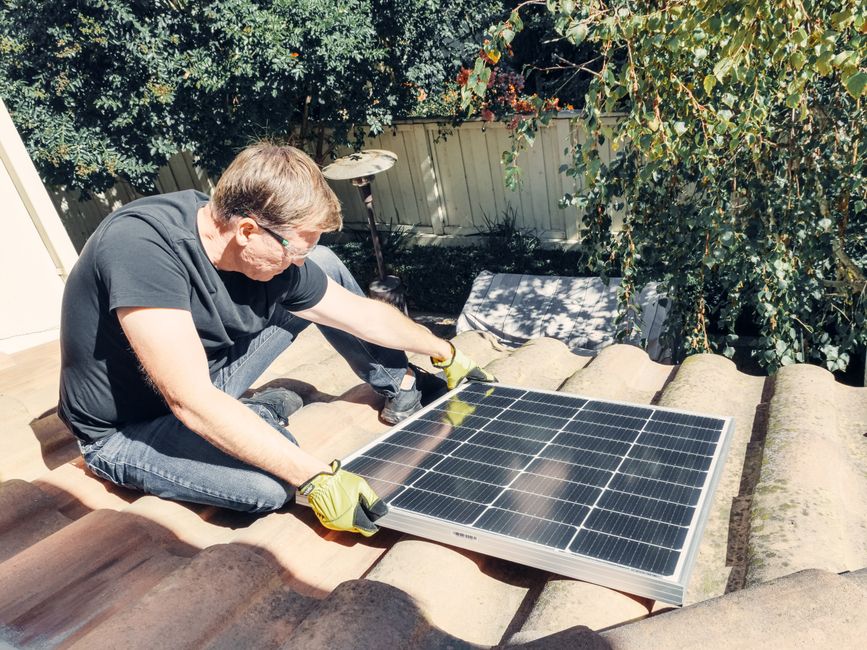
Most people assume the whole thing takes a few weeks. I assumed that too, before I started tracking real installation timelines across hundreds of projects. The honest number? From the day you sign a contract to the day your panels are actually generating power, you’re typically looking at 3 to 5 months. Not days. Months.
That gap between what homeowners expect and what actually happens is one of the most common sources of frustration I hear about. So let me walk you through exactly what’s eating up that time, where things can speed up, and where they almost certainly won’t.
The Contract-to-Install Gap Is Real (And Mostly Not the Installer’s Fault)
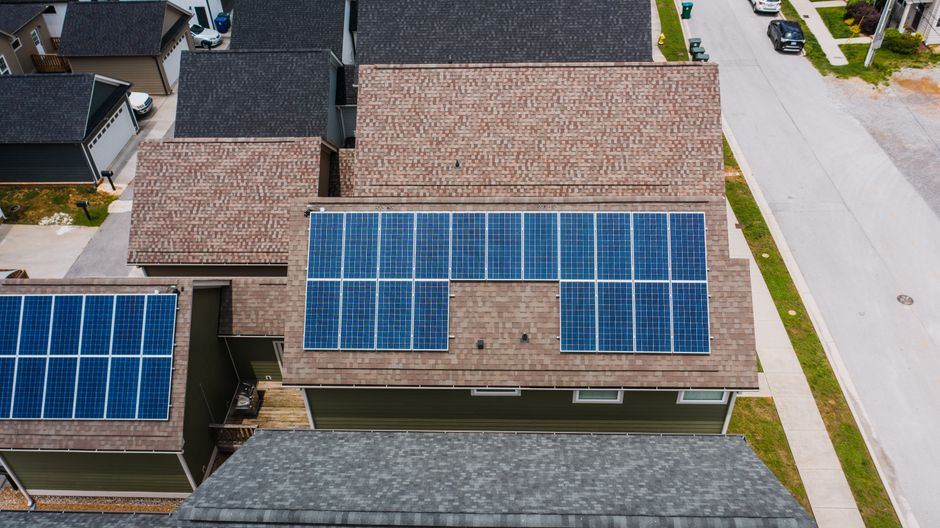
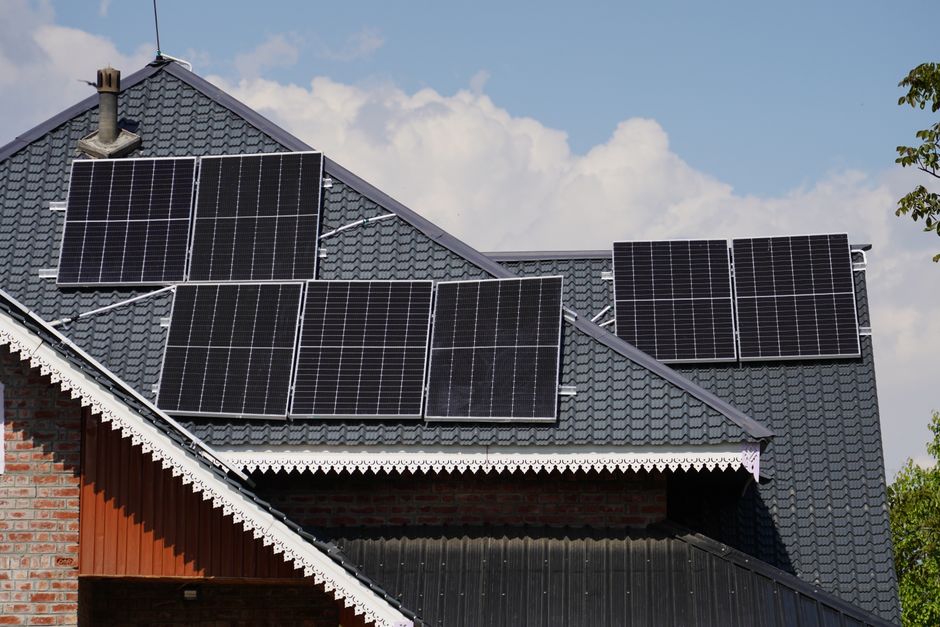
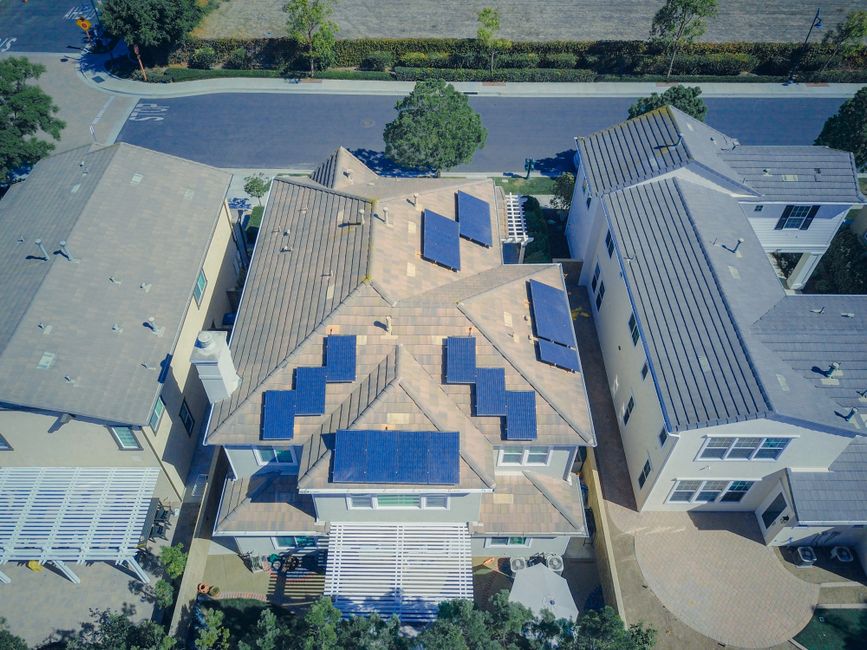
Here’s what surprises most people: the physical installation itself takes one to three days. A crew shows up, mounts the racking, runs conduit, bolts down panels, wires everything up. Done. That’s not the slow part.
The slow part is everything that happens before and after the install. Permit applications. Utility interconnection agreements. HOA approvals if you have them. Inspection scheduling. These are largely bureaucratic processes outside your installer’s control, and they vary wildly by location.
EnergySage has tracked this data across thousands of installs, and their numbers consistently show that permitting and interconnection account for most of the delay. In a place like Austin, Texas or Phoenix, Arizona, permits might get turned around in two to three weeks. In parts of California, New Jersey, or New York, I’ve seen homeowners wait three months just for permit approval, before a single panel goes up.
A Realistic Week-by-Week Breakdown
| Phase | Timeline | Key Activities | Location Variability |
|---|---|---|---|
| Site Assessment & Design | Weeks 1-3 | Shading analysis, roof evaluation, system design, quote collection | Minimal |
| Permitting | Weeks 3-8 | Permit application submission & approval | High (10 days to 11 weeks) |
| Physical Installation | Week 8 | Racking, wiring, panel mounting | Minimal (1-5 days) |
| Inspection & Interconnection | Weeks 9-12 | City/county inspection, PTO application, utility approval | High (1 week to 12 weeks) |
| Total Contract-to-PTO | 3-5 months | All phases combined | High variance by jurisdiction |
Weeks 1-3: Site assessment, system design, and contract signing. Your installer does a shading analysis, looks at your roof structure, pulls your utility bills, and designs a system. If you’re doing your homework right, you’re also collecting multiple quotes. EnergySage’s data shows homeowners who get three or more quotes save an average of $3,000 to $5,000. Don’t rush this phase.
Weeks 3-8: Permitting. Your installer submits permit applications to your local building department. Some jurisdictions use online portals and turn things around in days. Others require paper submissions reviewed by a single overworked official. This is genuinely unpredictable. I’ve seen permits pull through in 10 days in Colorado Springs and take 11 weeks in parts of Long Island.
Week 8-ish: The actual installation. One to three days for most residential systems, typically 6kW to 12kW. Larger systems or complex roofs might push to four or five days. If you’re adding a battery like a Tesla Powerwall or Enphase IQ Battery, that’s another day.
Weeks 9-12: Inspection and utility interconnection. After install, a city or county inspector has to sign off. Then you submit a Permission to Operate (PTO) application to your utility. The utility review is often the final chokepoint. Some utilities turn PTO around in a week. Others, I’m not kidding, take 8 to 12 weeks. Your system just sits there, fully installed, generating nothing, while you wait for a bureaucrat to flip a switch on their end.
I’ve had readers email me genuinely baffled that their panels have been on their roof for two months and they still can’t turn them on. This is why.
What Can Actually Speed Things Up
A few things genuinely move the needle.
Choosing an installer with established relationships at your local permit office and utility helps more than people realize. Ask installers directly: “How long does interconnection typically take with [your utility]?” If they give you a vague non-answer, that tells you something.
Some states have moved to expedited permit review for solar specifically. California’s AB 2188 pushed many jurisdictions toward instant online permit approval for standard residential systems. If you’re in one of those jurisdictions, the permitting leg can shrink to days.
Avoiding design complications also matters. Standard asphalt shingle roofs are faster than tile, metal, or flat roofs. Systems without batteries are faster than battery-included systems. If you want to go from contract to PTO in 60 days, keep the design clean.
While you wait, set up energy monitoring so you have baseline data before your system goes live. The Emporia Vue 2 Home Energy Monitor lets you track exactly what your home uses circuit by circuit, which makes it much easier to evaluate your solar system’s performance once it’s running.
(As an Amazon Associate this site earns from qualifying purchases.)
The Utility Interconnection Problem Nobody Talks About
I want to spend a minute here because this is the piece that genuinely frustrates me.
The National Renewable Energy Laboratory (NREL) has published research showing that interconnection delays are a major barrier to residential solar adoption, and the problem has gotten worse as more systems come online. Grid capacity constraints in some areas mean utilities are scrutinizing interconnection applications more carefully, or in some cases outright limiting new solar connections in certain neighborhoods.
This isn’t theoretical. In Hawaii, some utilities were so overwhelmed with applications that wait times stretched past six months. Parts of California’s PG&E territory have seen similar slowdowns. The U.S. Department of Energy has resources on navigating utility relationships, but the honest truth is that if your utility is backlogged, there’s not much you or your installer can do except wait.
Ask your installer upfront: has your utility been issuing PTO quickly? Have there been any recent changes to their interconnection queue? A good installer will know.
Sources
- Emporia Vue 2 Home Energy Monitor
- National Renewable Energy Laboratory (NREL)
- U.S. Department of Energy
- Lutron Caséta Wireless Smart Dimmer Kit
- Jackery Explorer 300 Portable Power Station
Disclosure: As an Amazon Associate, we earn a small commission from qualifying purchases at no extra cost to you. We only recommend products that genuinely support the topics covered in this article.
- Renogy 200W Solar Starter Kit + 30A Charge Controller (~$169), Complete beginner solar kit, 200W monocrystalline panel, charge controller, and mounting hardware included.
- EF EcoFlow DELTA 2 Portable Power Station (1024Wh) (~$599), 1024Wh LFP battery with 1800W output, top-rated solar generator for home backup power. Charges in under 2 hours.
Recommended Resources
Disclosure: As an Amazon Associate, we earn a small commission from qualifying purchases at no extra cost to you. We only recommend products that genuinely support the topics covered in this article.
- Renogy 200W Solar Starter Kit + 30A Charge Controller (~$169), Complete beginner solar kit, 200W monocrystalline panel, charge controller, and mounting hardware included.
- EF EcoFlow DELTA 2 Portable Power Station (1024Wh) (~$599), 1024Wh LFP battery with 1800W output, top-rated solar generator for home backup power. Charges in under 2 hours.