 Alex Rivera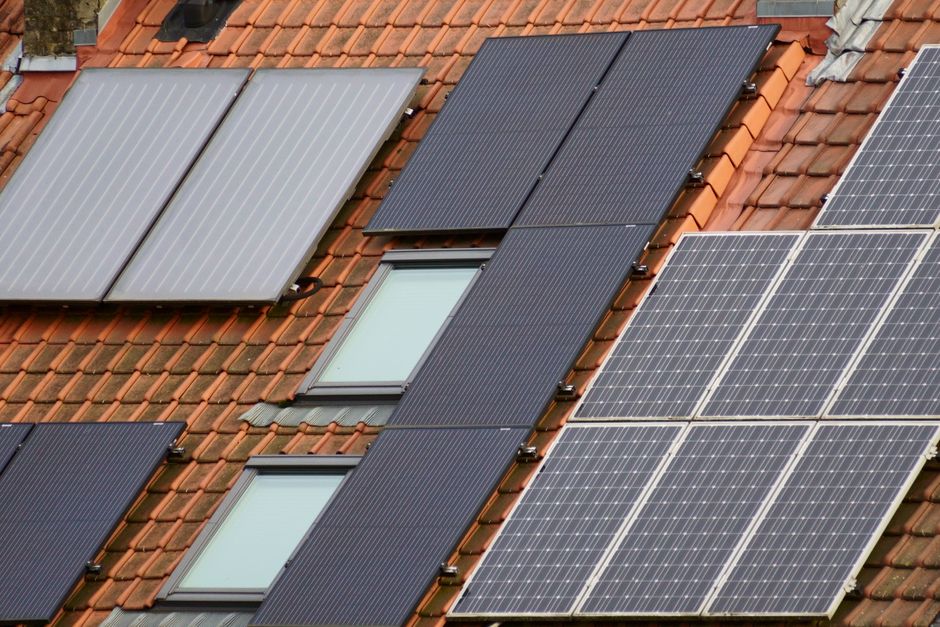
If you’ve been thinking about going solar and someone’s been pitching you a lease or a power purchase agreement lately, you might be wondering why the salesperson seemed a little more urgent than usual. Maybe they mentioned a deadline. Maybe they didn’t. Either way, July 4, 2026 just passed, and something real changed in the solar financing market, quietly and without much fanfare. Here’s what I tell people sitting across from me right now: the deal you’re being offered today is not the same deal that existed six months ago, and understanding why could save you thousands of dollars over the next decade.
To understand what changed, you need a quick piece of context. The One Big Beautiful Bill, signed on July 4, 2025, killed the 30% residential solar tax credit (Section 25D) for homeowners who buy their own systems, effective December 31, 2025, with no gradual phase-down. Gone. But lease and PPA companies operate under a different tax code section, Section 48E, which is the commercial clean energy credit. Those companies claim the 30% credit themselves and pass the savings to you through lower monthly payments. Section 48E had its own deadline: projects had to begin construction by July 4, 2026 to qualify. That date just passed. As Solar Insure detailed in their July 2026 analysis of the commercial credit deadline, companies that didn’t establish safe harbor before that date now face a much narrower runway, needing to have systems placed in service by December 31, 2027, or lose eligibility entirely.
- The Section 48E construction safe-harbor deadline passed July 4, 2026, reshaping lease and PPA pricing going forward.
- Lease companies that established safe harbor before July 4 can still claim the 30% credit on installs through 2030.
- Companies that missed the deadline must place systems in service by December 31, 2027 to claim any 48E credit.
- SolarReviews projects lease prices may dip modestly in 2026 before a harder pricing reset hits in 2028.
- If you're evaluating a lease today, ask your installer directly whether they have documented safe harbor status.
What Safe Harbor Actually Means for Your Lease Price
Safe harbor sounds like legal jargon, but for you it has a practical meaning: money. Under IRS Notice 2025-42, a solar company could establish safe harbor before July 4 by either incurring at least 5% of a project’s total cost or beginning “physical work of a significant nature.” Companies that cleared that bar before the deadline can still claim the 30% Section 48E credit and pass those savings through to homeowners on systems installed all the way through 2030. Companies that didn’t? Their economics just shifted.
The Tax Adviser laid out these safe harbor rules clearly back in February 2026, well before the deadline hit. The key thing to know is that safe harbor isn’t automatic, and it isn’t universal. Not every installer or lease company scrambled to establish it. Some smaller regional players, and some who serve markets where permitting timelines made early-stage cost incurrence difficult, may have missed it. When a salesperson tells you their pricing is still competitive, the first question you should ask is whether their company has documented, established safe harbor under IRS Notice 2025-42. If they hesitate or can’t answer clearly, that’s information.
How This Changes Pricing, in Practice
Helpful resource: P3 Kill A Watt Electricity Usage Monitor is a top-rated option for this. (As an Amazon Associate this site earns from qualifying purchases.)
Here’s something that might surprise you. SolarReviews projects that lease pricing could actually fall modestly through the rest of 2026. The reason is competition. Companies with safe harbor are fighting hard for the shrinking pool of customers they can sign before their eligible installation windows close. That competitive pressure benefits you right now, if you’re a good candidate for a lease.
But the picture changes after 2027. Once Section 48E fully expires, Solar Insure’s July 2026 modeling flags what they describe as a potential pricing reset similar to the disruption that followed the end of Section 25D for owned systems. Here’s a rough way to think about what’s at stake:
| Timing | 48E Credit Status | Likely Impact on Lease/PPA Pricing |
|---|---|---|
| Signed before July 4, 2026 | Full 30% credit, installer established safe harbor | Pricing reflects credit pass-through |
| Signed mid-2026, safe harbor confirmed | 30% credit still available through 2027 placement | Competitive rates, likely modest dip |
| Signed mid-2026, no safe harbor | Credit at risk; install must close by Dec 31, 2027 | Pricing uncertainty, potential delays |
| Signed in 2028 or later | No federal credit available | Higher monthly rates, thinner savings margin |
The window between now and end of 2027 isn’t closed. But it is narrowing fast, and the deals inside that window are not all equal.
The Battery Storage Wrinkle Nobody Is Talking About
About 4 million U.S. rooftop solar owners currently have no battery storage paired with their systems. That number matters here because the financing picture for solar-plus-storage is its own complicated layer right now. Some Section 48E-eligible projects included storage in their safe harbor filings. Many did not. If you’re being pitched a solar lease that includes a battery, ask specifically whether the storage component is also covered under the company’s safe harbor documentation. It often isn’t handled the same way as the panels themselves.
This matters for your monthly payment math. A lease that bundles storage without a credit behind it may cost you more per month than one that doesn’t, even if the salesperson frames it as a package deal. Battery incentives at the state level (California’s SGIP program, for instance) can help offset this, but they vary widely and often have waitlists. Don’t assume the federal picture and the battery picture are the same conversation.
If You’re Evaluating a Lease Right Now
You don’t need to panic, but you do need to ask better questions than most salespeople are prepared for. The companies with solid safe harbor documentation know their status and should be able to tell you clearly. The ones who can’t explain their 48E position are either not up to speed or are selling you a product that doesn’t have the credit economics behind it that the pitch implies.
Also consider the long game. A 20 or 25-year lease signed today locks you in for a long time. The monthly payment you’re quoted should reflect a real 30% credit pass-through if the company claims it does. Ask them to show you the math. Ask what happens to your rate if they lose the credit due to a placement-in-service delay. These aren’t hostile questions. They’re the questions any careful borrower would ask before signing a long-term financial contract.
For most homeowners in a strong net metering state, a well-structured lease from a company with confirmed safe harbor still makes sense in 2026. The numbers are thinner than they were in 2024, but they’re real. The deals that worry me are the ones being pitched without any honest conversation about what changed on July 4.
Sources
- The Final Version of the Solar Tax Credit Changes from the One Big Beautiful Bill – Solar Insure (June 2026)
- The Commercial Solar Tax Credit Deadline Just Passed – Solar Insure (July 2026)
- Navigating Safe-Harbor Rules for Solar and Wind Sec. 48E Facilities – The Tax Adviser (February 2026)
- If You Still Want That 30% Solar Tax Credit, the Panic Date Is July 4 – Electrek (June 4, 2026)
- Is Solar Worth It in 2026 After the 30% Tax Credit Ends? – SolarReviews (2026)
- Green Energy Tax Credits 2026: Federal Status & State Rebates – Joule.io (May 2026)
Photo: Budget Bizar via Pexels
Recommended Resources
Disclosure: As an Amazon Associate, we earn a small commission from qualifying purchases at no extra cost to you. We only recommend products that genuinely support the topics covered in this article.
- Renogy 200W Solar Starter Kit + 30A Charge Controller (~$169), Complete beginner solar kit, 200W monocrystalline panel, charge controller, and mounting hardware included.
- EF EcoFlow DELTA 2 Portable Power Station (1024Wh) (~$599), 1024Wh LFP battery with 1800W output, top-rated solar generator for home backup power. Charges in under 2 hours.