 Derek Hansen
You’ve finally decided to go solar. The utility bills are too high, the environmental benefits are compelling, and your neighbor just installed panels and won’t stop talking about how great they are. But then you sit down with a solar installer and suddenly you’re staring at a menu of financing options that sounds more like a financial exam than a home improvement project. Solar loan? Solar lease? Power Purchase Agreement? What does any of this actually mean for your wallet, your home, and your long-term energy future?
Here’s the honest truth: the financing option you choose will dramatically affect how much money you save, whether you qualify for federal and state tax incentives, and even how easy it is to sell your home down the road. Getting this decision right matters enormously. Getting it wrong can cost you thousands of dollars over the life of your system. This guide breaks down all three options in plain language, gives you a real comparison of the numbers, and helps you figure out which path makes the most sense for your specific situation.
Understanding the Three Solar Financing Options
Before comparing them, it helps to actually know what each one is and how ownership works under each arrangement.
Solar Loans
A solar loan works much like a car loan or a home improvement loan. You borrow money to purchase a solar panel system outright, then repay that loan over time with interest. At the end of the loan term, you own the system free and clear. Solar loans can be secured (often structured as a home equity loan or HELOC) or unsecured (a personal loan specifically for solar). Many solar installers partner with lenders to offer in-house financing, and specialty solar lenders like Mosaic, GoodLeap, and Sunlight Financial have emerged to make the process easier.
Loan terms typically range from 5 to 25 years, with interest rates generally falling between 3.99% and 8.99% depending on your credit score, loan term, and lender.
Solar Leases
A solar lease is exactly what it sounds like. You lease the solar panel system from a solar company rather than owning it. The solar company installs panels on your roof, owns the equipment, maintains it, and you pay a fixed monthly lease payment in return for the electricity it produces. Lease terms are typically 20 to 25 years, and most leases include an annual payment escalator, meaning your monthly payment increases by a set percentage each year (often 1-3%).
At the end of the lease, you typically have options: purchase the system at fair market value, renew the lease, or have the system removed.
Power Purchase Agreements (PPAs)
A PPA is similar to a lease in that you don’t own the system. But instead of paying a flat monthly lease payment, you pay for the actual electricity the system produces, measured in kilowatt-hours (kWh). The per-kWh rate you pay is usually lower than your utility’s retail rate, which is where the savings come from. Like leases, PPAs are typically 20-25 years and may include an annual escalator clause.
PPAs are essentially agreements to purchase solar-generated power rather than the equipment itself.
[RELATED: How Solar Panels Work and What You Need to Know Before Installing]
Breaking Down the Financial Picture
This is where things get really interesting. And where the stakes are highest. Let’s look at what each option actually costs you, what you earn back, and what the long-term numbers look like.
Who Gets the Tax Credits?
This is arguably the most critical distinction between ownership and non-ownership options. Under the current federal Investment Tax Credit (ITC), solar system owners can claim a 30% federal tax credit on the full cost of installation. That’s a massive financial benefit.
- Solar Loan: You own the system, so you claim the 30% federal tax credit. On a $25,000 system, that’s $7,500 back at tax time.
- Solar Lease: The solar company owns the system, so they claim the tax credit. You get none of it directly, though the company may factor it into your lease pricing.
- PPA: Same as the lease. The third-party owner claims all incentives. You don’t qualify for any direct tax credits.
This single factor often makes solar loans the financially superior choice for homeowners who have sufficient tax liability to claim the full credit.
Long-Term Savings Comparison
A fully-owned system (whether purchased outright or via loan) consistently delivers the highest lifetime savings because once the loan is paid off, your electricity is essentially free. You benefit from net metering. You capture all incentives and rebates without sharing them with a solar company.
Leases and PPAs deliver more modest but often immediate savings with little to no upfront cost. The catch: because the solar company keeps the incentives, your effective savings rate is lower than ownership.
Upfront Costs
| Option | Upfront Cost | Who Owns It | Eligible for Tax Credit |
|---|---|---|---|
| Solar Loan | Low to $0 down | You | Yes |
| Solar Lease | $0 | Solar Company | No |
| PPA | $0 | Solar Company | No |
| Cash Purchase | Full system cost | You | Yes |
A Side-by-Side Comparison of Solar Loan vs Lease vs PPA
| Feature | Solar Loan | Solar Lease | PPA |
|---|---|---|---|
| Upfront Cost | $0-$2,000 typical | $0 | $0 |
| Ownership | Homeowner | Solar Company | Solar Company |
| Federal Tax Credit | Yes (30%) | No | No |
| Monthly Payment | Fixed loan payment | Fixed payment (may escalate) | Per-kWh rate (may escalate) |
| Maintenance Responsibility | Homeowner | Solar Company | Solar Company |
| Home Sale Impact | Adds home value | Lease transfer required | PPA transfer required |
| Long-Term Savings | Highest | Moderate | Moderate |
| Break-Even Timeline | 6-10 years | May never fully break even | May never fully break even |
| Risk | Moderate | Low | Low |
| Best For | Homeowners maximizing ROI | Low-risk entry into solar | Low-risk entry into solar |
The Home Sale Problem Nobody Talks About
One of the most overlooked factors when choosing a solar financing option is what happens when you decide to sell your home. This is a bigger deal than most homeowners realize.
Owned Systems (Solar Loans)
If you’ve purchased your system outright, whether through cash or a loan, the solar panels are a permanent fixture of your home and typically increase your home’s resale value. According to the Lawrence Berkeley National Laboratory, solar panels add an average of $4 per watt to home value. That means a 6 kW system could add $24,000 to your asking price. Buyers love the idea of low utility bills, and an owned system is a clean, straightforward asset.
If you still have a loan balance at sale time, you simply pay it off from the proceeds, just like a second mortgage.
Leased Systems and PPAs
Selling a home with a leased solar system or an active PPA is significantly more complicated. The lease or PPA agreement must be transferred to the new buyer, and not all buyers are willing to take on that obligation. This can slow down the sale process considerably, turn off buyers who don’t want the complexity, require the buyer to qualify for the financing agreement, and potentially reduce your negotiating power.
Some sellers end up paying to buy out the lease just to close the deal. That can cost thousands of dollars and wipe out years of savings. Before signing any lease or PPA, read the transfer clauses carefully and understand exactly what it’ll take to exit the contract.
[RELATED: Does Solar Add Value to Your Home? What the Research Says]
When a Lease or PPA Actually Makes Sense
Despite the financial advantages of ownership, there are real situations where a solar lease or PPA is the smarter choice. Don’t let anyone tell you these options are always inferior. Context matters enormously.
You Have Low or No Federal Tax Liability
The 30% ITC is only valuable if you actually owe enough in federal taxes to use it. Retirees with modest income, those receiving most income from tax-exempt sources, and households with significant deductions may have little or no tax liability against which to apply a credit. In this case, the theoretical advantage of ownership through a loan becomes much smaller.
You Want Zero Hassle and Zero Risk
With a lease or PPA, the solar company handles monitoring, maintenance, repairs, and even inverter replacements. If something breaks, it’s not your problem or your expense. For homeowners who want the benefits of solar without any technical responsibility, this peace of mind has real value.
To stay on top of your system’s performance regardless of ownership type, consider adding a home energy monitor. The Emporia Vue Energy Monitor (available on Amazon, and this site may earn a commission) lets you track real-time energy production and consumption, helping you verify you’re getting the output your agreement promises.
You’re Planning to Move in 5-7 Years
If you’re not planning to stay in your home long-term, taking on a 15-20 year solar loan that you’ll need to pay off at sale might not make financial sense. A lease or PPA with clear transfer provisions might actually simplify things, provided the market in your area is familiar with solar home sales.
Your Credit Score Doesn’t Qualify for Good Loan Terms
Solar loans at competitive rates typically require a credit score of 650 or higher, with the best rates going to those with scores above 720. If your credit is damaged, a lease or PPA might be your only realistic path to solar. And that’s still far better than no solar at all.
[RELATED: How to Check If Your Roof Is Ready for Solar Panels]
Step-by-Step Guide to Choosing Your Solar Financing Option
Use this process to work through the decision systematically rather than getting overwhelmed by options.
Step 1: Check Your Federal Tax Liability
Pull out last year’s tax return and look at your total federal tax owed (before withholding). If it’s above $7,500-$10,000, you have enough liability to benefit significantly from the 30% ITC. This strongly favors a loan or cash purchase.
Step 2: Assess Your Credit Score
Check your score through a free service like Credit Karma or your bank. A score above 700 will typically qualify you for competitive solar loan rates. Below 640 and you may be looking at lease or PPA as your practical option.
Step 3: Determine How Long You’ll Stay
If you’re planning to stay in your home for 10+ years, ownership through a loan will almost certainly deliver better financial returns. If you’re planning to move within 5 years, calculate whether the loan can be paid off (or rolled into the sale) profitably.
Step 4: Get Quotes for All Three Options
Never let a solar company only present you with one financing option. Ask explicitly for comparisons. Reputable installers will walk you through loan, lease, and PPA terms side by side. If they only push one option, get a second opinion.
Step 5: Calculate Your True Break-Even Point
Take the net system cost (after tax credits), subtract annual electricity savings, and divide to find your break-even timeline. A well-sized system with good sun exposure in an average electricity-rate market typically breaks even in 6-10 years under a loan scenario.
Step 6: Read the Fine Print
For leases and PPAs, focus specifically on the escalation clause percentage, the transfer/buyout provisions, what happens if the company goes out of business, and production guarantees. For loans, understand prepayment penalties and whether dealer fees are hidden in the APR.
Step 7: Monitor Your System’s Performance
Regardless of which option you choose, tracking your system’s actual output is critical. The Sense Home Energy Monitor (available on Amazon, this site may earn a commission) provides detailed real-time data that can help you verify your system is producing what was promised in your agreement.
Making the Final Call
The “right” answer to solar loan vs lease vs PPA doesn’t exist in the abstract. It lives in the specifics of your financial situation, tax profile, home tenure plans, and appetite for risk.
That said, the general hierarchy for maximizing financial benefit is clear: cash purchase > solar loan > lease > PPA. For most homeowners who plan to stay in their home long-term and have sufficient tax liability, a solar loan offers the compelling combination of zero upfront cost, full tax incentive capture, equity building, and superior long-term savings.
Leases and PPAs serve an important purpose for homeowners who would otherwise have no path to solar. They deliver real savings, real environmental benefits, and zero maintenance hassle. Just go in with clear eyes about the trade-offs.
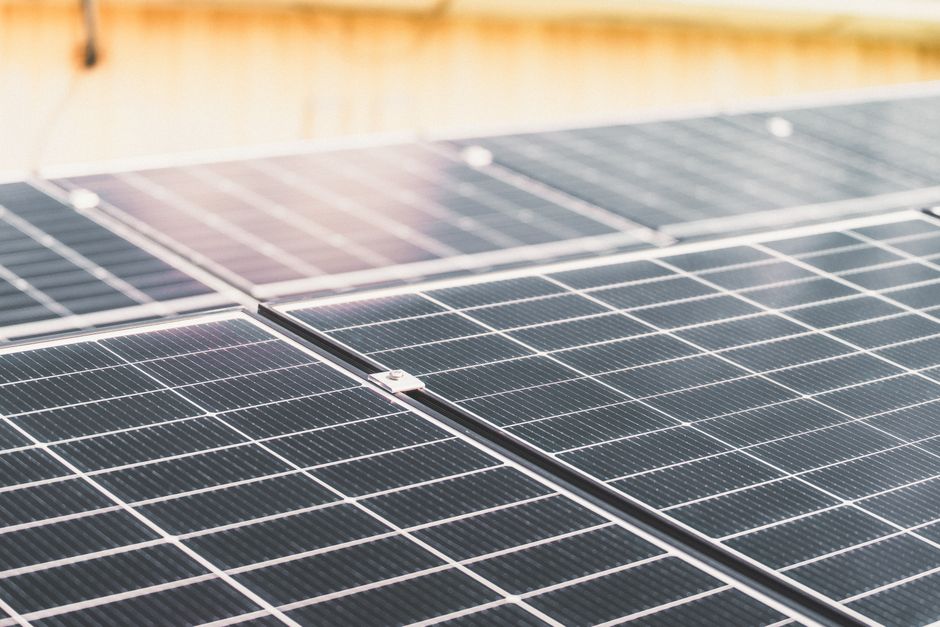
Photo by Kindel Media on Pexels
Sources
- Emporia Vue Energy Monitor
- Sense Home Energy Monitor
- Kindel Media
- Renogy 200W Solar Starter Kit + 30A Charge Controller
- EF EcoFlow DELTA 2 Portable Power Station (1024Wh)
Disclosure: As an Amazon Associate, we earn a small commission from qualifying purchases at no extra cost to you. We only recommend products that genuinely support the topics covered in this article.
- Renogy 200W Solar Starter Kit + 30A Charge Controller (~$169), Complete beginner solar kit, 200W monocrystalline panel, charge controller, and mounting hardware included.
- EF EcoFlow DELTA 2 Portable Power Station (1024Wh) (~$599), 1024Wh LFP battery with 1800W output, top-rated solar generator for home backup power. Charges in under 2 hours.
- Mastering QuickBooks 2025 (~$32), The most comprehensive QuickBooks 2025 guide, covers bookkeeping, payroll, invoicing, tax prep, and cash flow.
- Accounting for Small Business Owners (~$14), Beginner-friendly accounting guide covering basic bookkeeping, financial statements, and managing business taxes.
Recommended Resources
Disclosure: As an Amazon Associate, we earn a small commission from qualifying purchases at no extra cost to you. We only recommend products that genuinely support the topics covered in this article.
- Renogy 200W Solar Starter Kit + 30A Charge Controller (~$169), Complete beginner solar kit, 200W monocrystalline panel, charge controller, and mounting hardware included.
- EF EcoFlow DELTA 2 Portable Power Station (1024Wh) (~$599), 1024Wh LFP battery with 1800W output, top-rated solar generator for home backup power. Charges in under 2 hours.