 Derek Hansen
Roughly 30% of homeowners who get solar panels installed on an aging roof end up paying to remove and reinstall those panels within five years. That number comes from installer surveys, not manufacturer warranties, and most sales reps won’t volunteer it during your quote appointment.
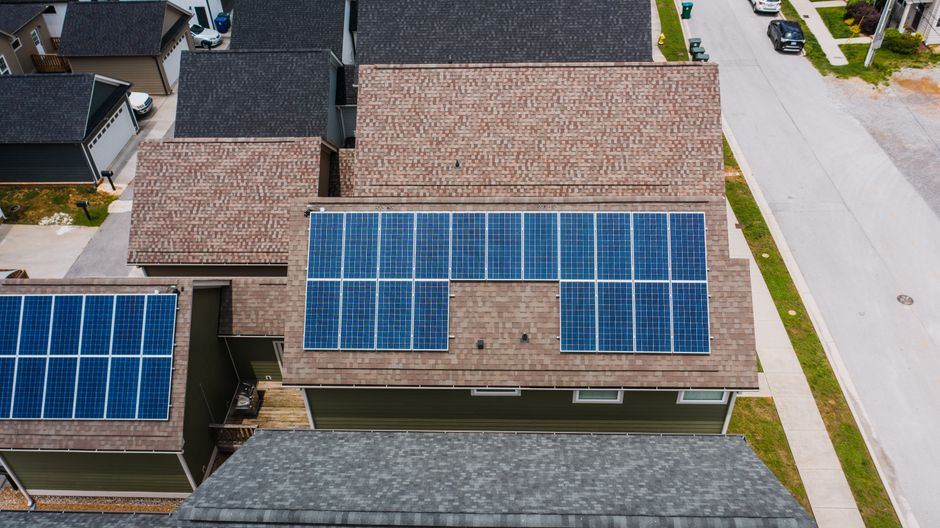
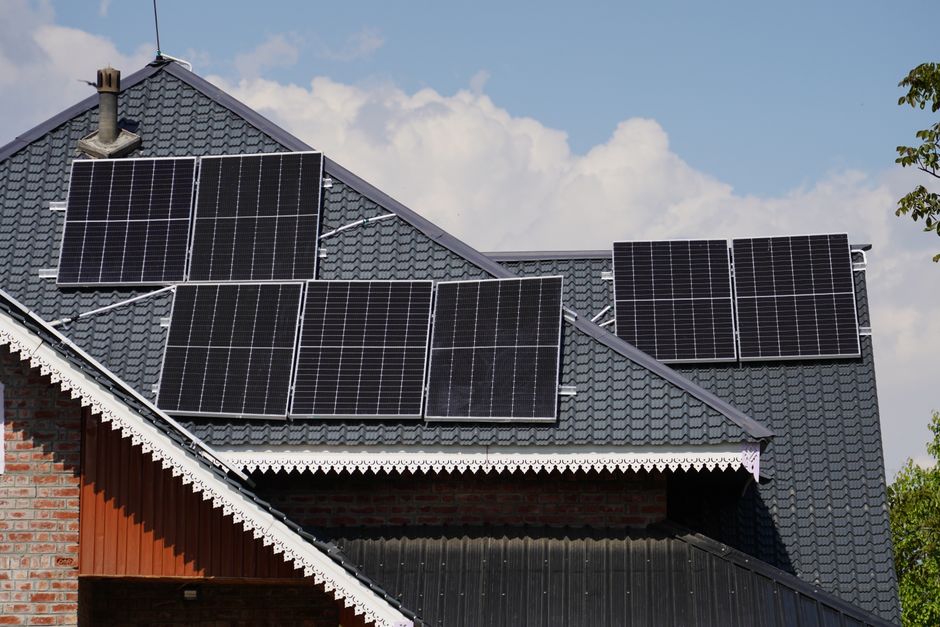
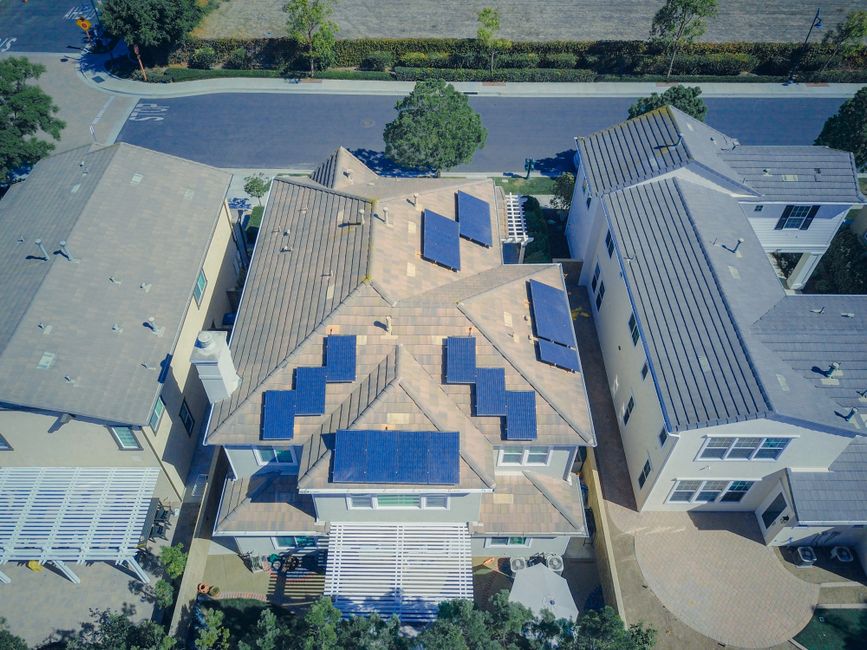
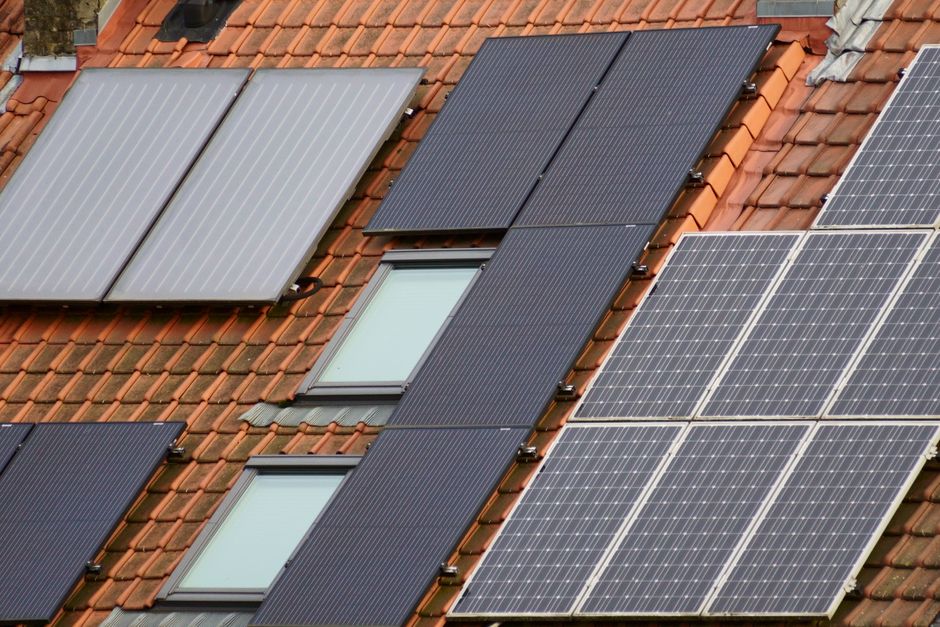
Here’s what typically happens: a homeowner gets a great deal on solar, signs the contract, the panels go up, and then two years later the roof starts leaking around a flashing point or the shingles finally give out and the roofer says, “We can’t touch this without removing the array first.” Removal and reinstallation runs $1,500 to $6,000 depending on system size, according to EnergySage’s market data, and it’s almost never covered by the solar warranty or your homeowner’s policy. So now you’re paying for the roof you should have replaced first, plus a few thousand dollars of do-over costs on the solar work.
The timing question between roof replacement and solar installation is one of the most financially consequential decisions a homeowner makes, and the industry mostly buries it.
- Remove-and-reinstall for solar panels costs $1,500-$6,000 and is rarely covered by warranty or insurance.
- Replace your roof first if it has fewer than 10-12 years of life remaining before going solar.
- A new roof can cost $8,000-$20,000; bundling it with solar avoids a second round of labor and scaffolding fees.
- Most asphalt shingle roofs last 20-30 years; solar panels carry 25-year production warranties.
- If your roof is under 5 years old and in good shape, install solar now without hesitation.
The Lifespan Math You Need to Do First
Solar panels are warrantied for 25 years, usually with a production guarantee that they’ll still be generating at least 80% of rated output at year 25. The industry benchmark, cited by NREL, puts average panel degradation at about 0.5% per year. So a system installed today should still be performing well in 2051.
Your asphalt shingle roof almost certainly won’t.
Standard 3-tab shingles last 15 to 20 years. Architectural (dimensional) shingles last 20 to 30 years depending on climate, attic ventilation, and installation quality. Metal roofs go 40 to 70 years. If your roof was installed in 2012, it’s got maybe 8 to 15 years left at best, which means somewhere in year 10 or 12 of your solar system’s life, you’re going to face that removal-reinstall bill.
I’ve walked through this math with dozens of homeowners who were frustrated that I was slowing down their solar enthusiasm. But here’s the actual question to ask: does your roof have at least 12 years of reliable life left? If yes, install solar. If no, replace the roof first or at the same time.
The breakeven point shifts a little based on system size. A 6 kW system with 16 panels is a much easier partial removal than a 12 kW system with 30+ panels. But the math rarely changes the underlying advice.
What a Simultaneous Project Actually Costs
Helpful resource: Emporia Smart Outlet with Energy Monitoring is a top-rated option for this. (As an Amazon Associate this site earns from qualifying purchases.)
The biggest objection I hear is cost. Bundling a roof replacement with a solar installation feels like a lot of money hitting at once, and it is. But the alternative isn’t “avoid the roof cost.” It’s “pay the roof cost later, plus extra.”
Here’s a realistic comparison for a 2,000-square-foot home in a mid-cost market:
| Scenario | Roof Cost | Solar Install | Remove/Reinstall (later) | Total |
|---|---|---|---|---|
| Solar now, roof in 8 years | $0 now | $22,000 | $3,500 | $25,500 |
| Replace roof first, then solar | $11,000 | $22,000 | $0 | $33,000 |
| Bundle roof + solar simultaneously | $9,500* | $22,000 | $0 | $31,500 |
| Do nothing for 2 years, then bundle | $10,500 | $22,000 | $0 | $32,500 |
*Bundling often saves $1,000-$2,000 on roofing labor because the roofer isn’t working around an existing array and scaffolding is shared.
The Federal Investment Tax Credit (ITC) currently sits at 30% and applies to the solar portion of your installation. It does not apply to a standalone roof replacement, but if the roofing work is done specifically to support the solar installation (new decking, waterproofing under the array footprint), some of those costs may qualify. Worth asking your tax advisor, not your solar installer, since installers tend to be optimistic about what the IRS will accept.
As of July 2026, the 30% ITC is still in effect through 2032 under the Inflation Reduction Act. That gives you real flexibility in timing without rushing into a bad decision.
Reading Your Roof Before You Call Anyone
What Type of Solar Panel Should You Buy? · The Solar Lab on YouTube
The honest answer here: get a roofing inspection before you get solar quotes. Not from your solar installer. From a licensed roofer who has no stake in whether you install panels.
The things that actually matter for the decision:
Age and shingle type. If you don’t know, check your home inspection report or the permit records at your county assessor’s office. Most jurisdictions have this online now.
Decking condition. Soft spots, visible sagging, or dark staining on the attic ceiling indicate deck rot. Installing panels on deteriorating decking is the single worst timing mistake I see. A roofer prying off a lag bolt from rotten OSB two years after installation is a painful conversation.
Flashing integrity. Solar installations add penetrations to your roof. If your existing flashing around chimneys or vents is already cracked or lifted, those points will leak faster once the roof gets more foot traffic during panel installation.
Ventilation. This is the one most homeowners skip. Panels slightly raise roof temperatures on the sections they cover (they block some convective cooling). If your attic is already borderline on ventilation, that accelerated heat can reduce shingle life by a few years. Not a dealbreaker, but worth knowing.
I once had a homeowner in Phoenix email me after her solar installer gave her roof a clean bill of health during their site visit. She went ahead with the install. Eighteen months later, a roofer told her the decking under the panels was so degraded it shouldn’t have passed any inspection. The solar company’s “roof check” was a two-minute visual from the ground. Get an actual roofer up there.
The Scenarios, Ranked
Rather than generalizing, here’s how I’d actually call each situation:
Roof under 5 years old: Install solar immediately. Don’t overthink this.
Roof 5 to 10 years old, good condition: Get a roofer’s assessment. If they say you’ve got 15+ years left, install solar. If they’re hedging, consider timing your solar for year 2 or 3 and banking the ITC opportunity while the roof stabilizes.
Roof 10 to 15 years old: This is the danger zone. The expected solar system life and remaining roof life don’t align cleanly. You’re probably looking at a removal-reinstall in year 10 to 15. Replace the roof now, or seriously price a bundle.
Roof over 15 years old (asphalt shingles): Replace the roof first. No serious debate here.
Metal or tile roof in good condition: Much more forgiving. Metal especially. If it’s been properly installed and maintained, it’ll outlast the panels. Solar on metal is an excellent situation.
Worked example, real scenario:
A homeowner in Portland with a 2015 architectural shingle roof (about 11 years old at consultation) priced both options. A roofer quoted $13,200 for a full replacement. Solar-only was $24,500 after incentives. Bundled cost came to $35,800 before the ITC, or about $25,060 after. He chose the bundle. Had he done solar-only and needed a removal-reinstall in year 8, his all-in cost would have been $28,500 versus $25,060.
Sources
- NREL Solar Panel Degradation Rates: National Renewable Energy Laboratory research on average 0.5%/year panel output degradation over system lifetime.
- EnergySage Solar Marketplace Data: Installer quotes, average system pricing, and remove-reinstall cost ranges as of 2026.
- U.S. Department of Energy, Homeowner’s Guide to Going Solar: Federal ITC eligibility rules and solar installation guidance.
- SEIA U.S. Solar Market Insight: Residential installation trends and system sizing benchmarks.
- IRS Form 5695 Instructions: Residential energy credit qualification criteria, including which roofing costs may be includable under the solar ITC.
Photo: Kindel Media via Pexels
Recommended Resources
Disclosure: As an Amazon Associate, we earn a small commission from qualifying purchases at no extra cost to you. We only recommend products that genuinely support the topics covered in this article.
- Renogy 200W Solar Starter Kit + 30A Charge Controller (~$169), Complete beginner solar kit, 200W monocrystalline panel, charge controller, and mounting hardware included.
- EF EcoFlow DELTA 2 Portable Power Station (1024Wh) (~$599), 1024Wh LFP battery with 1800W output, top-rated solar generator for home backup power. Charges in under 2 hours.
- Renogy 2×100W Monocrystalline Solar Panels (~$99), Expandable 200W panel set from the most trusted DIY solar brand, used widely in off-grid and home backup systems.