 Craig Stevens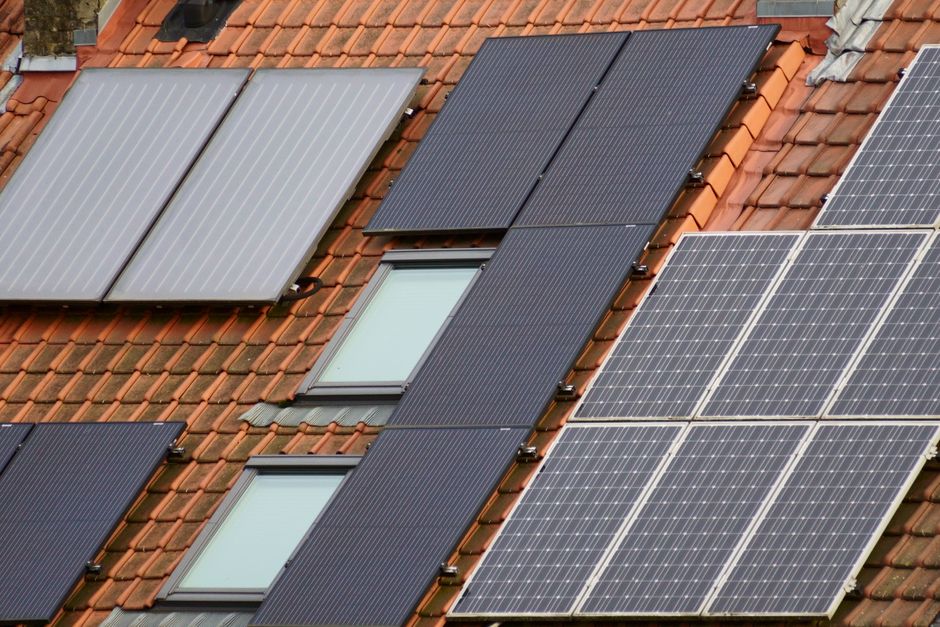
Forty-four percent. That’s the share of Illinois homeowners who, according to EnergySage’s most recent market data, overpay for solar because they accept the first quote they get. I’ve watched it happen dozens of times, and it still frustrates me. Someone does the right thing, decides to go solar, and then hands an extra $4,000 to $6,000 to an installer who knew they wouldn’t shop around.
Illinois is genuinely one of the better states in the country to go solar right now. Not the best, not California-level obvious, but better than most people realize. The combination of the federal Investment Tax Credit, the state’s SREC successor program, and some of the country’s more utility-friendly net metering policies puts Illinois solidly in the “yes, this pencils out for most homeowners” category. But the details matter enormously, and a few of them could change in 2027 depending on how the General Assembly handles the next revision of the Climate and Equitable Jobs Act (CEJA). More on that in a minute.
What I want to do here is give you the actual numbers, the catches, and the honest picture of what going solar in Illinois looks like in 2026, not the sales pitch.
- Illinois homeowners pay roughly $2.85–$3.10/watt installed, putting a typical 8 kW system at $22,800–$24,800 before incentives.
- The federal ITC currently covers 30% of system cost; combined with Illinois's SREC program, payback can run 7–10 years.
- ComEd and Ameren customers both have net metering, but the rates differ meaningfully and affect your ROI.
- Illinois's Adjustable Block Program (ABP) pays cash for every kWh your system produces over 15 years, real money, not just bill credits.
- Getting 3–5 quotes typically saves $3,000–$6,000 on an average Illinois install.
What Solar Actually Costs in Illinois Right Now
The average cost for a residential solar installation in Illinois, as of mid-2026, runs between $2.85 and $3.10 per watt before any incentives. For a typical 8-kilowatt system (which handles most of a 2,000-square-foot home’s annual usage in the Chicago area), that’s roughly $22,800 to $24,800 out of pocket before tax credits kick in.
Apply the 30% federal Investment Tax Credit, and you’re down to roughly $15,960 to $17,360. Then Illinois’s Adjustable Block Program layered on top of that, and the numbers get genuinely interesting.
I want to be clear about one thing most installers gloss over: the federal ITC is a tax credit, not a rebate. You have to owe federal taxes to benefit from it. I’ve worked with a handful of retirees on fixed income who had very little federal tax liability, and the ITC barely helped them. If that’s your situation, talk to a CPA before signing anything.
Here’s what a typical Illinois solar deal looks like with all the incentives stacked:
| Scenario | System Size | Gross Cost | Federal ITC (30%) | Net After ITC | Est. ABP Income (15 yr) | Final Effective Cost |
|---|---|---|---|---|---|---|
| Smaller home, Peoria | 6 kW | $17,700 | $5,310 | $12,390 | ~$4,200 | ~$8,190 |
| Average home, Chicago suburbs | 8 kW | $23,600 | $7,080 | $16,520 | ~$5,600 | ~$10,920 |
| Larger home, Springfield | 10 kW | $29,500 | $8,850 | $20,650 | ~$7,000 | ~$13,650 |
| High-usage home, Naperville | 12 kW | $35,400 | $10,620 | $24,780 | ~$8,400 | ~$16,380 |
ABP income estimates assume current Adjustable Block Program pricing for the ComEd territory, Block 1 pricing tier. Ameren territory rates differ slightly. These are estimates, not guarantees.
The Illinois Adjustable Block Program (ABP): Your Most Overlooked Incentive
Helpful resource: Govee WiFi Smart Plug with Energy Monitoring is a top-rated option for this. (As an Amazon Associate this site earns from qualifying purchases.)
Most people know about the federal tax credit. Almost nobody fully understands the ABP, which is genuinely unfortunate because it’s the piece that often makes or breaks the Illinois solar math.
Here’s how it works: Illinois pays solar homeowners a fixed price per kilowatt-hour of electricity their system produces, paid out as Renewable Energy Credits (REC payments) over 15 years. The price per REC is set by the Illinois Power Agency and varies by utility territory, system size, and “block” (essentially, which funding tranche you land in as the program fills up). As of this year, residential systems under 10 kW in the ComEd territory have been receiving around $60 to $72 per REC, where one REC equals one megawatt-hour of production.
For an 8 kW system in the Chicago area producing roughly 9,500 kWh per year, that’s about $570 to $684 per year in REC income, totaling $8,550 to $10,260 over the 15-year contract. The Illinois Power Agency processes the applications, and I’ll be honest with you: the IPA website can be maddeningly slow to navigate. When I helped a homeowner in Evanston get enrolled last fall, we waited about 11 weeks from application submission to first payment. Budget for that delay.
The catch people don’t see coming: you have to go through a Designee (basically, your installer or a third-party aggregator) to access ABP payments. Some installers buy the RECs from you upfront at a discounted lump sum rather than letting you collect over 15 years. That can be a good deal if you need cash now, a bad deal if you’re patient. Run the math before you agree to anything.
The National Renewable Energy Laboratory has noted in its analysis of state solar policies that programs structured like Illinois’s ABP produce some of the most predictable long-term returns for homeowners compared to states that rely solely on net metering, because you’re paid on production rather than just bill offsets. Worth keeping in mind if a salesperson tries to minimize this benefit.
Net Metering in Illinois: ComEd vs. Ameren
What Type of Solar Panel Should You Buy? · The Solar Lab on YouTube
Both ComEd and Ameren offer net metering, but they’re not identical, and the difference affects your monthly savings more than most people expect.
ComEd’s net metering credits excess electricity at the full retail rate, currently around $0.13 to $0.15 per kWh depending on your rate class. Ameren’s structure is similar but their base residential rate runs slightly lower, in the $0.11 to $0.13 range. That gap of a couple cents per kilowatt-hour sounds small until you’re exporting several thousand kWh per year.
What most people don’t realize: Illinois’s net metering rules require annual “true-up” settlements, similar to California, not monthly cash-out. So if you over-produce in July and August, you bank credits that offset your December and January bills. Credits that roll over but aren’t used by your anniversary date are typically purchased by the utility at the avoided-cost rate, which is much lower than retail. Size your system to roughly meet your annual usage, not to maximize summer production. I’ve seen homeowners in Joliet get talked into 12 kW systems for homes that use 9,500 kWh per year, and they essentially donated a few hundred dollars of excess credits to the utility every year.
What It Actually Looks Like: Three Real Examples
Homeowner in Aurora, 2,100 sq ft, ComEd territory → Installed a 9.2 kW system in March 2025, paid $26,500 gross, received $7,950 ITC, enrolled in ABP at $67/REC, and nets about $610/year in REC payments plus roughly $1,400/year in eliminated electric bills. Total payback: projected 8.2 years. Monthly “savings” after loan payment: approximately $68. Not life-changing, but the system adds to home value and locks in predictable energy costs.
Retired couple in Rockford, Ameren territory → 6 kW system, fixed income, federal tax liability of only $2,100/year. They couldn’t use the full $5,040 ITC in year one (the credit carries forward, but they likely won’t absorb it all for several years). ABP enrollment added about $395/year. Payback stretched to nearly 13 years. In their situation, I would have had a candid conversation about whether solar actually made sense vs. weatherization and LED upgrades.
New construction in Naperville → Builder included a 10 kW system in the mortgage at $29,000, which meant the ITC was financed rather than reducing out-of-pocket cash. The monthly mortgage increase was about $118; electricity bill dropped by about $145. Net positive on day one, basically. This is increasingly the best solar deal available, and the Solar Energy Industries Association (SEIA) has flagged new construction integration as one of the fastest-growing segments of residential solar nationally. Worth asking your builder about if you’re building.
The Honest Downsides
Illinois gets around 4.2 peak sun hours per day on average, according to NREL’s solar resource data. That’s decent but not spectacular. Compare that to Phoenix at 5.8 or even Denver at 5.5. What it means practically: an 8 kW system in Evanston will produce roughly 9,200 to 9,800 kWh per year, while the same system in Phoenix might produce 13,000+ kWh. Your system will be sized larger relative to what you’d need in a sunnier state, which pushes up upfront cost.
Roofs also matter more than most people admit. I’ve walked away from recommending solar to homeowners with north-facing roof surfaces, heavy shading from mature oaks, or roofs more than 15 years old. If you need a new roof within the next 5 years, do it before or simultaneously with solar. Pulling panels to re-roof later typically costs $1,500 to $3,000 in labor alone.
One more honest thing: Illinois’s CEJA legislation, which funds the ABP among other programs, is scheduled for review by the General Assembly. There’s no guarantee the current ABP funding levels continue post-2027. If you’re on the fence, I’d lean toward acting in the next 12 to 18 months rather than waiting. This isn’t a scare tactic; it’s just how state energy policy works. Programs change.
For homeowners who want to monitor their system’s actual production after installation, a home energy monitor like the Emporia Vue Energy Monitor (Amazon affiliate link) is something I recommend keeping an eye on. It gives you real-time production and consumption data so you can catch underperformance early, which matters when ABP payments depend on verified production figures.
Sources
- Illinois Power Agency Adjustable Block Program: Official program documentation, pricing, and enrollment information for Illinois’s residential solar REC program.
- Solar Energy Industries Association (SEIA): National solar market data, state-by-state policy tracking, and installation cost benchmarks.
- National Renewable Energy Laboratory (NREL): Solar resource maps, peak sun hour data, and residential solar performance modeling.
- EnergySage Solar Marketplace: Consumer solar pricing data, installer reviews, and quote comparison platform with actual transaction data.
- Illinois Commerce Commission: Net metering tariff information for ComEd and Ameren residential customers.
Photo: Budget Bizar via Pexels
Recommended Resources
Disclosure: As an Amazon Associate, we earn a small commission from qualifying purchases at no extra cost to you. We only recommend products that genuinely support the topics covered in this article.
- Renogy 200W Solar Starter Kit + 30A Charge Controller (~$169), Complete beginner solar kit, 200W monocrystalline panel, charge controller, and mounting hardware included.
- EF EcoFlow DELTA 2 Portable Power Station (1024Wh) (~$599), 1024Wh LFP battery with 1800W output, top-rated solar generator for home backup power. Charges in under 2 hours.
- Renogy 2×100W Monocrystalline Solar Panels (~$99), Expandable 200W panel set from the most trusted DIY solar brand, used widely in off-grid and home backup systems.