 Derek Hansen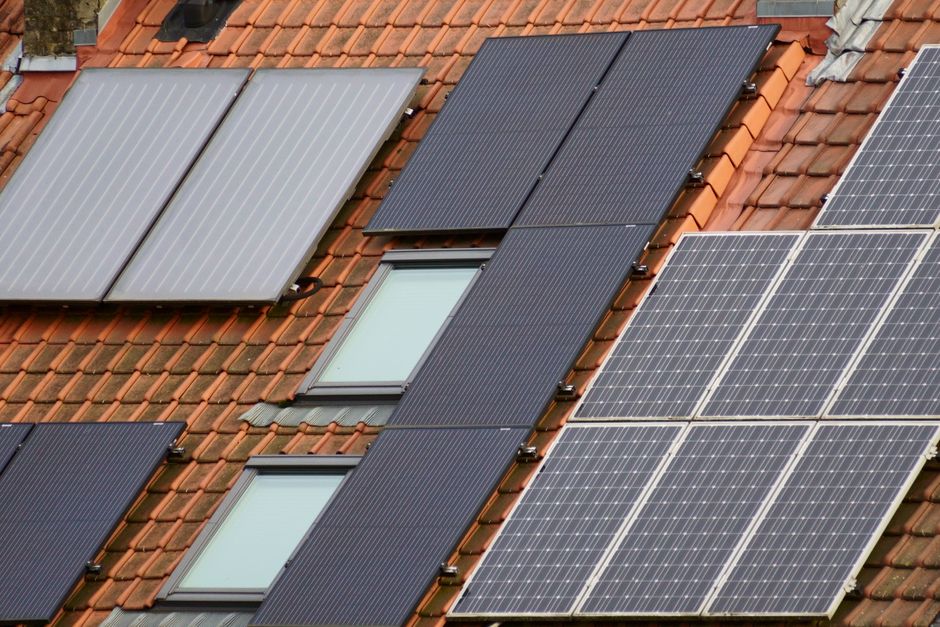
Massachusetts is one of the best states in the country to go solar. I’ll say that upfront, without the usual installer-script enthusiasm, because the numbers actually back it up. Electricity here costs around 25-28 cents per kilowatt-hour depending on your utility and season, which is nearly double the national average. That single fact changes the math on solar more than almost anything else.
You might be wondering if solar makes sense for your specific house, your roof, your budget. That’s the right question, and it’s not the same as asking whether solar is generally a good idea in Massachusetts. I’ll walk you through what I’ve seen work, what doesn’t, and what most installers won’t bring up until you’re already halfway through the paperwork.
What Massachusetts Actually Offers Incentive-Wise
| Incentive Type | Details | Typical Value |
|---|---|---|
| Federal ITC | 30% of system cost | $8,400-$10,500 |
| Massachusetts Income Tax Credit | 15% of system cost, capped | Up to $1,000 |
| Property Tax Exemption | Solar installations exempt from property tax increases | Varies by municipality |
| SMART Program | Fixed rate per kWh for 10 years (utility-dependent) | $3,000-$8,000+ over program term |
| Net Metering | Full retail rate credit for excess power to grid | Included in annual savings |
The federal Investment Tax Credit currently gives you 30% of your total system cost back as a tax credit. On a typical Massachusetts installation, which runs around $28,000-$35,000 before incentives (for an 8-10 kW system), that’s $8,400 to $10,500 back. That credit applies to the year you install, though it can carry forward if you don’t owe enough in taxes that year. Worth confirming with your accountant before assuming you’ll capture the full amount.
Massachusetts-specific incentives are where things get interesting.
The state income tax credit gives you 15% of your system cost, capped at $1,000. Not life-changing, but it’s free money. More significant is the property tax exemption: solar installations are fully exempt from property tax assessment increases in Massachusetts. A system that adds $20,000 to your home’s value won’t cost you a dime in additional annual property taxes. Given what property tax bills look like in towns like Newton, Wellesley, or Concord, that’s worth real money over time.
The most valuable Massachusetts-specific program right now is SMART, the Solar Massachusetts Renewable Target program run by the three investor-owned utilities: Eversource, National Grid, and Unitil. SMART pays you a fixed rate per kilowatt-hour your system produces for 10 years, on top of the net metering credits you’d get from sending power to the grid. The rate varies by utility territory, system size, and current program capacity, so I won’t quote a specific number here because it changes, but EnergySage’s market data consistently shows SMART adding $3,000 to $8,000+ in total value to a typical Massachusetts residential system over the program term. Check with your installer about current SMART capacity in your utility territory. Some blocks fill up.
Net metering in Massachusetts is also strong. You receive full retail rate credit for excess power sent to the grid. There can be interconnection queues, but it’s the rule rather than the exception.
The Roof Conversation Nobody Wants to Have
Here’s what I tell people who have older homes: get a roof assessment before you do anything else. Massachusetts has an enormous stock of homes built before 1970, many with roofs that are 15-20 years old. Installing a 25-year solar panel system on a roof that needs replacement in five years is an expensive mistake. Removing and reinstalling panels mid-life costs $2,000 to $5,000 depending on system size.
If your roof is original cedar shake, old slate, or showing soft spots, deal with that first. Some solar installers in Massachusetts will do a roof replacement alongside installation, and you may be able to include the roof cost in a solar loan for simpler financing. Ask specifically about this.
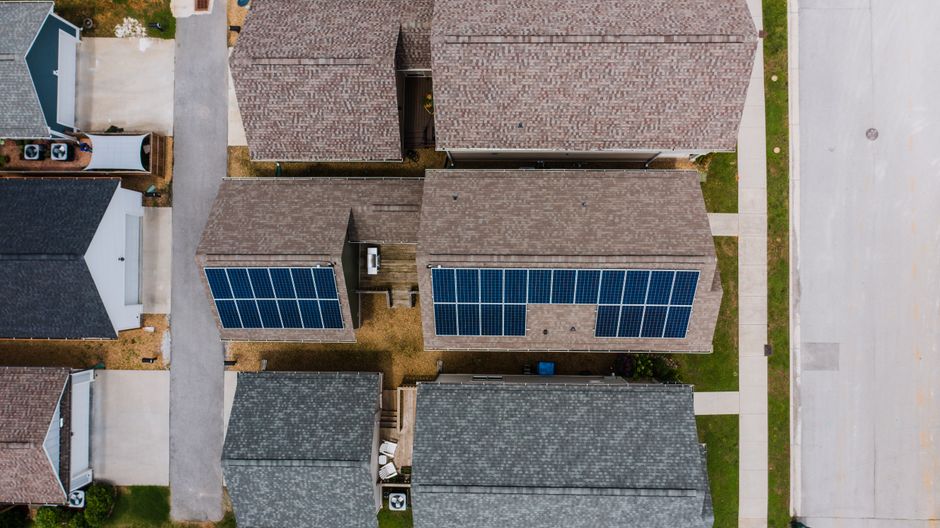
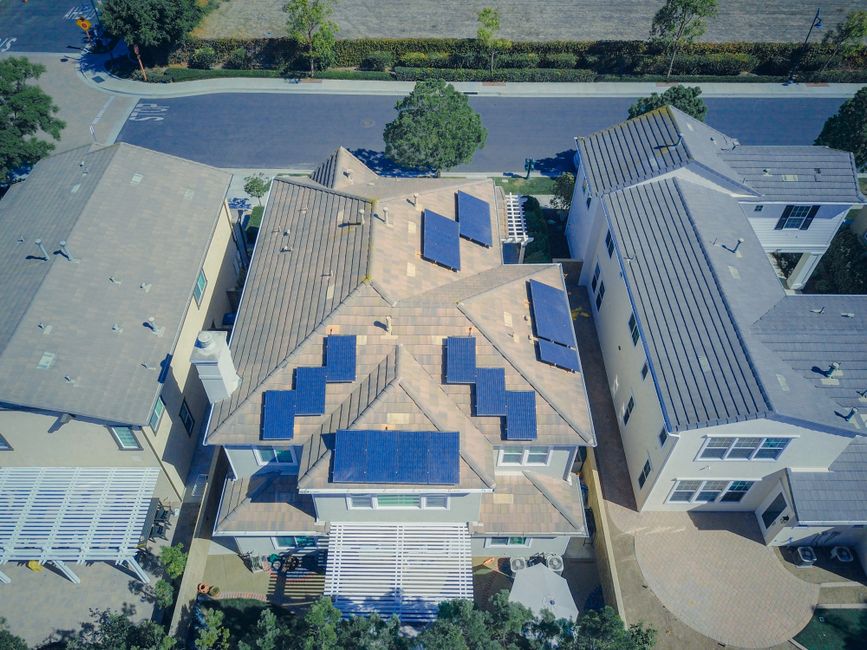
South-facing roofs with minimal shading get the best production. But many Massachusetts homeowners I’ve worked with have east-west facing systems that still perform well, because the state’s net metering policy ensures every kilowatt-hour you generate gets full value. A 10 kW east-west split roof in Framingham can still save you $1,800-$2,200 annually depending on consumption.
Shade is the thing that will actually hurt you. A mature oak that’s 40 feet from your house but overhangs the roofline? That’s a genuine problem. Microinverters or DC optimizers from brands like Enphase or SolarEdge can mitigate partial shading, but they can’t fix significant shade. If trees are an issue, ask for a shading analysis using tools like SunEye or the Solmetric system before signing anything.
Sizing, Payback, and One Contrarian Take
How to Choose the RIGHT Solar Panels for Your Home · SolarQuotes on YouTube
The average Massachusetts solar customer breaks even somewhere between 7 and 10 years when accounting for SMART payments, net metering credits, and tax incentives. I know some installers quote 5-6 years. That can be accurate for high-consumption households on Eversource time-of-use rates, but treat it as a best case rather than a typical expectation.
Here’s the contrarian take I’ll stand behind: don’t oversize your system to maximize future consumption you don’t currently have. I’ve seen people install 12 kW systems on houses that use 7,500 kWh per year because they plan to buy an EV or add a heat pump. The math only works if those additions happen quickly. Net metering credits typically can’t be cashed out, they roll forward, and there are annual reconciliation rules in Massachusetts that can result in you losing excess credits. Size for your current consumption plus one planned major addition at most. An energy monitor like the Sense Home Energy Monitor is genuinely useful before you get quotes, since it gives you an accurate baseline of your consumption patterns. (As an Amazon Associate this site earns from qualifying purchases.)
Choosing an Installer in Massachusetts
Massachusetts has a lot of solar installers. Some are excellent. Others are genuinely terrible. The SEIA maintains a list of accredited installers, and the state’s Clean Energy Center (MassCEC) keeps a database of SMART-registered contractors. Start there. Avoid any installer who pressures you to sign the same day or who won’t give you a written system production estimate in kilowatt-hours per year.
Get three quotes minimum. EnergySage’s marketplace is worth using because it shows you standardized, apples-to-apples comparisons across installers in your area. The average price on their platform for Massachusetts systems has been running around $3.00-$3.50 per watt installed before incentives, and deviations more than 25% in either direction deserve scrutiny.
Ask specifically: What inverter brand? What panel manufacturer and wattage? What is the production guarantee in kWh per year? What is the workmanship warranty on roof penetrations? A quality installer answers these without hesitation.
Massachusetts rewards homeowners who do their homework. The incentive stack is real, the electricity rates make the math work, and if you go in with clear eyes about your roof, your consumption, and your installer, this is one of the most financially solid solar decisions you can make anywhere in the country right now.
Sources
- Sense Home Energy Monitor
- Emporia Smart Outlet with Energy Monitoring
- Jackery Explorer 300 Portable Power Station
- Renogy 100W 12V Flexible Solar Panel
- Budget Bizar
Disclosure: As an Amazon Associate, we earn a small commission from qualifying purchases at no extra cost to you. We only recommend products that genuinely support the topics covered in this article.
- Renogy 200W Solar Starter Kit + 30A Charge Controller (~$169), Complete beginner solar kit, 200W monocrystalline panel, charge controller, and mounting hardware included.
- EF EcoFlow DELTA 2 Portable Power Station (1024Wh) (~$599), 1024Wh LFP battery with 1800W output, top-rated solar generator for home backup power. Charges in under 2 hours.
- Renogy 2×100W Monocrystalline Solar Panels (~$99), Expandable 200W panel set from the most trusted DIY solar brand, used widely in off-grid and home backup systems.
Recommended Resources
Disclosure: As an Amazon Associate, we earn a small commission from qualifying purchases at no extra cost to you. We only recommend products that genuinely support the topics covered in this article.
- Renogy 200W Solar Starter Kit + 30A Charge Controller (~$169), Complete beginner solar kit, 200W monocrystalline panel, charge controller, and mounting hardware included.
- EF EcoFlow DELTA 2 Portable Power Station (1024Wh) (~$599), 1024Wh LFP battery with 1800W output, top-rated solar generator for home backup power. Charges in under 2 hours.