 Patricia Moore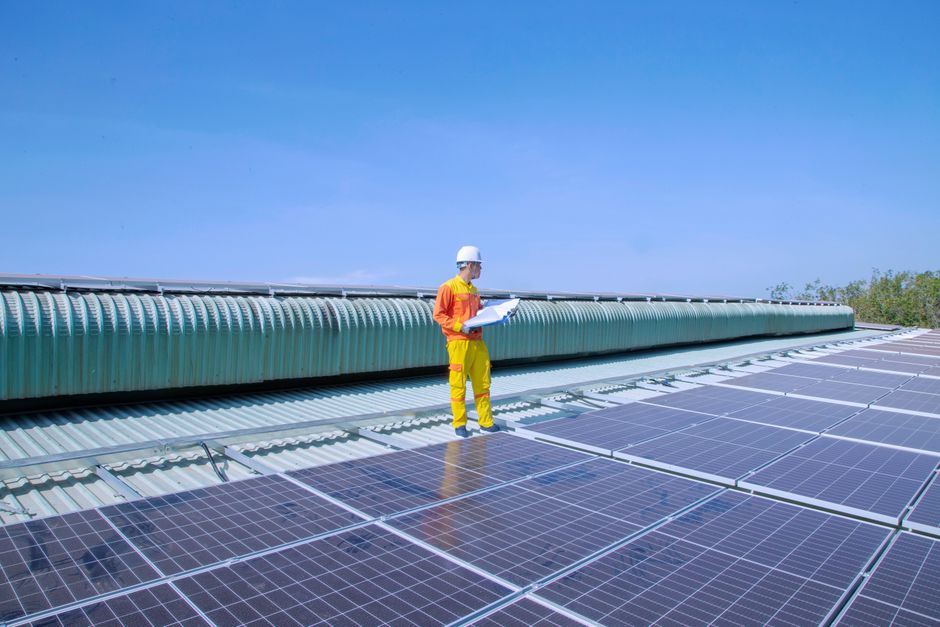
A homeowner I spoke with last week had already picked out her panels, locked in a installer quote, and was ready to sign, until her contractor called to say the inverter they’d spec’d might be a problem. She didn’t know why. Her installer wasn’t totally sure either. That call happened because on July 28, 2026, the FCC added foreign-produced power inverters to its national-security “Covered List” and banned new equipment authorizations overnight, with zero phase-in period and no grace window. If you’re shopping for solar right now, this matters to your system design, your timeline, and probably your wallet.
The ban doesn’t pull existing inverters off rooftops or warehouses. What it does is freeze the product pipeline: any inverter model that didn’t already hold FCC equipment authorization before July 28, 2026 cannot legally enter the U.S. market. Future refreshes, new SKUs, next-generation models from foreign manufacturers, all of it is frozen. As pv magazine USA reported the day the rule dropped, this is an immediate, hard stop, not a phased sunset. The FCC framed it as a digital security concern, specifically the wireless connectivity and firmware in modern smart inverters, even though a DOE investigation from January 2026 that physically examined 30 Chinese inverters found zero evidence of malicious hardware.
That gap between the DOE’s physical findings and the FCC’s firmware-risk logic is worth sitting with. It signals that this ban is driven by policy posture, not a specific discovered threat. And as Electrek noted in their August 5 coverage, this is the fourth time the FCC has applied this national-security framework in recent months, following bans on drones in December 2025 and consumer routers in March 2026. The pattern is accelerating. Solar inverters aren’t a one-off; they’re the latest category in a broader technology decoupling.
- FCC ban took effect July 28, 2026, with no grace period for new foreign inverter model authorizations.
- Inverter models with valid FCC authorization before July 28 remain fully legal to import, sell, and install.
- Hoymiles HiFlow Pro, HMS series, and APsystems current portfolios are confirmed unaffected for now.
- Off-grid brands like EG4, Growatt, Renogy, and Victron face the highest long-term product availability risk.
- The FCC has now applied this national-security framework four times since December 2025.
What’s Actually Still Legal to Buy and Install
Here’s the part that cuts through the noise. If an inverter model held valid FCC equipment authorization before July 28, it’s fine. You can buy it, your installer can order it, and you can put it on your roof. Hoymiles confirmed publicly that its current HMS series and HiFlow Pro lineup are authorized and unaffected. APsystems made the same confirmation for its current residential portfolio. Enphase and SolarEdge, both of which manufacture or source significant production outside China and hold current authorizations, haven’t flagged supply disruptions on existing models either.
The problem isn’t today’s catalog. It’s tomorrow’s. What most people don’t realize is that inverter product cycles are short, often 18 to 24 months for a new SKU. A brand may be selling you a perfectly legal unit today and have nothing new to offer you in two years when you want to expand your system, add a battery, or replace a failed unit with an upgraded model. That future compatibility gap is the real risk for homeowners signing long-term contracts right now.
The Off-Grid and DIY Market Has the Steepest Exposure
Helpful resource: Jackery Explorer 300 Portable Power Station is a top-rated option for this. (As an Amazon Associate this site earns from qualifying purchases.)
I’ve seen the off-grid and DIY solar community take this harder than any other segment, and that’s not surprising. Brands like EG4, Growatt, Renogy, and Victron depend heavily on short product cycles and almost entirely offshore supply chains. Their business model is rapid iteration: release a new hybrid inverter every year or two with more features, better software, higher efficiency ratings. That model is now legally frozen at whatever they had authorized before late July.
If you’re building a new off-grid cabin system or a backup-power setup and you were planning around a Growatt SPF or an EG4 6000XP because of the price-to-feature ratio, what you can get today may be the last version of that product available. There won’t be a next-gen EG4 unit you can expand into unless the company finds a way to manufacture in a non-covered country and gets fresh authorization, which is neither fast nor cheap.
For grid-tied homeowners, the stakes are lower in the near term but still real. If your installer is quoting you a system around a specific Hoymiles microinverter model, ask them to confirm in writing that the model number has current FCC authorization. A reputable installer should be able to produce that documentation without hesitation.
How This Reshapes Your System Design Conversation
The practical advice here isn’t complicated, but it does require you to ask one extra question before you sign anything. Here’s a quick look at how the major residential categories stack up right now:
| Inverter Category | Example Brands | Near-Term Legal Status | Long-Term New Model Risk |
|---|---|---|---|
| String inverters (major brands) | SolarEdge, Fronius | Low risk, current models authorized | Moderate (depends on manufacturing location) |
| Microinverters | Enphase (U.S.-designed), APsystems | Low risk, current models confirmed | Lower for Enphase (U.S. design/some domestic mfg) |
| Microinverters (Chinese-origin) | Hoymiles | Current models fine | High for future SKUs |
| Off-grid / hybrid | EG4, Growatt, Renogy | Current models fine | Very high, short product cycles |
| Battery inverters | Victron | Current models fine | High, offshore supply chain |
The conversation to have with your installer is simple: which specific model numbers are you quoting, and do they have pre-July 28, 2026 FCC authorization? If your installer can’t answer that clearly, that’s information too.
One thing worth building into your thinking: system expandability. If you’re going with microinverters and plan to add panels in three or four years, make sure the inverters you’re installing today have a realistic path to being matched with future units from the same brand. With foreign brands, that path is now genuinely uncertain. Canary Media’s early August coverage pointed out that this uncertainty is already pushing some installers toward Enphase despite the higher per-unit cost, simply because domestic design and some domestic manufacturing insulates the product roadmap from this specific risk.
What to Do Before You Sign Your Contract
Ask your installer for the FCC ID on the inverter model they’re quoting. Every authorized device has one, and you can look it up yourself at fccid.io to confirm it predates July 28, 2026. This takes about four minutes and it’s four minutes well spent before committing to a 25-year roof installation.
If you’re mid-quote and your installer is suddenly vague about timelines or model availability, that vagueness may now have a specific cause. The FCC action is new enough that some installers are still sorting out their own inventory and procurement pipelines. Patience is reasonable. But so is asking direct questions.
The broader situation is genuinely unsettled. The FCC may issue guidance, carve out exceptions, or face legal challenges from manufacturers. What’s not unsettled is the July 28 effective date and the immediate, no-grace-period nature of the freeze. Plan your system around what’s authorized today, prioritize brands with either U.S. manufacturing exposure or long product cycles, and build in the flexibility to swap components if the rules shift again. Because given the trajectory of the last eight months, they probably will.
Sources
- FCC bans foreign-produced solar inverters , pv magazine USA (July 28, 2026)
- Trump weaponizes FCC to ban new foreign-made connected solar inverters , Electrek (August 5, 2026)
- Trump admin bans ’new’ foreign-made inverters. What does that mean? , Canary Media (Early August 2026)
- FCC Solar Inverter Ban 2026: What’s Still Legal to Install , A1 SolarStore (July 30, 2026)
- The FCC Just Banned Foreign Inverters. Here’s What It Means , PluginSolarUS (Late July / Early August 2026)
- FCC bans new foreign inverter imports , Solar Power World (July 30, 2026)
Photo: Hoan Ngọc via Pexels
Recommended Resources
Disclosure: As an Amazon Associate, we earn a small commission from qualifying purchases at no extra cost to you. We only recommend products that genuinely support the topics covered in this article.
- Renogy 200W Solar Starter Kit + 30A Charge Controller (~$169), Complete beginner solar kit, 200W monocrystalline panel, charge controller, and mounting hardware included.
- EF EcoFlow DELTA 2 Portable Power Station (1024Wh) (~$599), 1024Wh LFP battery with 1800W output, top-rated solar generator for home backup power. Charges in under 2 hours.