 Derek Hansen
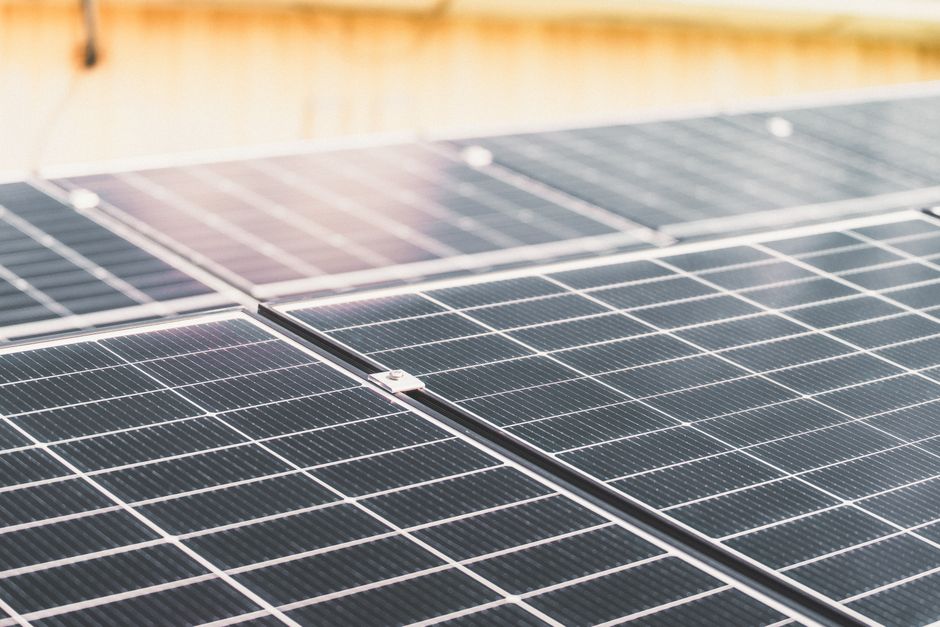
You’re three weeks from closing on your house sale, the buyers are excited, and then your real estate agent drops a bomb: the solar panels on your roof aren’t yours. You’ve been paying a monthly lease to a solar company for the past six years, and now that lease has to go somewhere. The buyers didn’t budget for it, they don’t fully understand it, and your closing date is suddenly in jeopardy. I’ve seen this exact situation derail more home sales than most people expect, and it’s almost always preventable if you know what’s coming.
Transferring a solar lease is one of the most misunderstood parts of selling a solar home. It’s not like transferring a warranty. It involves a third-party financing company, a credit check on your buyers, and paperwork timelines that do not care about your closing date. Here’s what you actually need to know.
What a Solar Lease Actually Is (And Why It Complicates a Sale)
When you leased your solar panels, you didn’t buy the equipment. A solar financing company, often names like Sunrun, SunPower, or Tesla Energy, owns those panels. They sit on your roof, but they’re not yours. Your lease is a contract, typically 20 to 25 years long, that requires you to either pay a monthly fee or let the company sell electricity back to you at a set rate.
That contract doesn’t disappear when you sell your house. The panels are attached to the property, which means the lease obligation has to be resolved at closing. You have three basic options: transfer the lease to the buyer, buy out the lease before selling, or have the panels removed. Most sellers go the transfer route, but it’s rarely as simple as signing a form.
Here’s what most people don’t realize. The leasing company has to approve the buyer. They’ll run a credit check, and buyers who don’t meet a minimum credit threshold (usually around 650 to 680 FICO depending on the provider) can be rejected. If the buyer doesn’t qualify, the deal doesn’t automatically fall through, but you now have a problem to solve under time pressure.
How the Solar Lease Transfer Process Actually Works
Helpful resource: EG4 Battery Monitor Shunt for Solar Systems is a top-rated option for this. (As an Amazon Associate this site earns from qualifying purchases.)
The transfer process varies by company, but the general sequence looks like this:
Step 1: Notify the solar company early. Don’t wait until you’re under contract. Contact the leasing company the moment you decide to list your home. Ask for their exact transfer requirements, typical timeline, and any fees involved. Get this in writing.
Step 2: Disclose the lease to potential buyers upfront. Your listing agent should include the lease details in the listing. Monthly payment, remaining term, escalator rate, and any buyout options. Buyers who see this information for the first time at closing are buyers who feel blindsided, and that’s when deals fall apart.
Step 3: The buyer submits a credit application. Most solar companies have an online portal for this. The buyer fills out the application, and the leasing company reviews it, usually within 5 to 10 business days, though I’ve seen it take longer during high-volume periods.
Step 4: If approved, both parties sign a transfer agreement. This is a legal document reassigning the lease obligation from you to the buyer. Read it carefully. Make sure it addresses who’s responsible for any unpaid balance from your time as leaseholder.
Step 5: Coordinate with escrow and title. The transfer agreement needs to be included in closing documents. Your title company needs to know this is happening. In some states, a UCC-1 fixture filing may be attached to your property title because the solar company filed it to protect their equipment. That filing needs to be updated or released as part of the sale.
Typical timeline: 2 to 6 weeks. Start this process before you list, not after you’re under contract.
The Lease Transfer Fee (And Other Costs Nobody Mentions)
| Option | Timeline | Cost Range | Key Consideration |
|---|---|---|---|
| Transfer lease to buyer | 2-6 weeks | $150-$500 transfer fee | Buyer must pass credit check (typically 650-680 FICO minimum) |
| Buy out lease before selling | Varies | $15,000-$30,000+ | Removes obstacle for buyers; comes from your proceeds |
| Remove panels | 1-2 weeks | $500-$3,000 | System no longer available; may reduce home value |
| Negotiate buyer credit or closing cost | Concurrent with sale | $2,000-$4,000 credit | Offsets buyer’s lease burden; negotiable between parties |
Most solar leasing companies charge a transfer fee. It’s often between $150 and $500, though I’ve seen higher. Who pays it? That’s negotiable, but in most markets, it falls on the seller. Factor it into your selling costs alongside your commission and transfer taxes.
The bigger financial question is the lease escalator. Many solar leases include an annual rate increase, typically 1% to 3% per year. If your buyer is inheriting a lease that started at $85 per month but has been escalating for eight years, they might be taking on $102 or more per month, with more increases to come. That’s a real cost they need to understand and you need to disclose clearly.
Some buyers will ask you to buy down the lease or offer a closing cost credit to offset it. That’s a legitimate negotiation point. I’ve had clients offer a $2,000 to $4,000 credit at closing to make a lease-inherited solar system more attractive to buyers who were on the fence.
If the lease includes a buyout option, get the current payoff quote from the company before listing. Buyout amounts can range from $15,000 to $30,000 or more depending on system size, age, and contract terms. Buying out the lease and marketing the system as owned outright is sometimes the cleaner path, especially in competitive markets where buyers want simplicity.
What Happens If the Buyer Doesn’t Qualify (Or Doesn’t Want the Lease)
This is where it gets stressful. Let’s say your buyer’s credit comes back at 630 and the leasing company says no. You’ve got a few options, and none of them are instant.
You can find a co-applicant. Sometimes a spouse or co-buyer who wasn’t on the original credit application can qualify independently. Worth asking.
You can negotiate a lease buyout at closing. If you have equity, the buyout amount can come out of your proceeds. The buyer gets a paid-off system, you pay off the lease, and the leasing company files a UCC termination statement. Clean deal, but it costs you money.
You can request panel removal. Most leasing companies will remove the panels if no one qualifies and there’s no buyout option. But “removal” rarely means a clean roof. It means the panels are gone, the mounting hardware may or may not come with them, and you could be left with penetrations in your roof that need repair. The removal timeline can also be weeks, which is a problem if you’re trying to close.
Buyers can also simply walk. The lease situation can be a legitimate contingency if it wasn’t disclosed properly upfront, and that’s a painful outcome for everyone.
Does Solar Add Value, Or Does the Lease Hurt Your Sale?
This is the question sellers always ask, and the honest answer is: it depends entirely on how the lease is structured and how it’s presented.
The National Renewable Energy Laboratory (NREL) has found that owned solar systems can add a meaningful premium to home sale prices, with studies citing roughly $4 per watt of installed capacity added to home value in some markets. But leased systems are different. The value to a buyer is tied to whether the lease payments are lower than what they’d pay for grid electricity, and whether the terms are favorable enough to bother.
A leased system with low monthly payments, a short remaining term, and no escalator can be genuinely attractive. A leased system with eight years left, a 2.9% annual escalator, and a $22,000 buyout is a harder sell.
The Solar Energy Industries Association (SEIA) has tracked the explosive growth of residential solar, noting that leases and power purchase agreements (PPAs) drove early adoption, but today most new installations are purchased outright or financed through a solar loan. That shift in the market means your buyers are more likely to be unfamiliar with lease terms and possibly more resistant to taking one on.
To give buyers confidence in the system they’re inheriting, consider investing in a home energy monitor like the Sense Home Energy Monitor (the site may earn a commission on purchases like this). It lets the buyer see exactly how much energy the panels are generating in real time, which turns an abstract lease into a concrete monthly savings number. That kind of transparency tends to move hesitant buyers forward.
A Comparison: Your Options for Resolving a Solar Lease at Sale
| Option | Cost to Seller | Timeline | Best For |
|---|---|---|---|
| Transfer lease to buyer | $150-$500 transfer fee | 2 to 6 weeks | Buyers who qualify and want the system |
| Buy out the lease at closing | $15,000 to $30,000+ | 1 to 2 weeks after payoff quote | Sellers with equity who want a clean deal |
| Pre-list buyout | Same as above, paid before listing | 2 to 4 weeks | Competitive markets, high-value homes |
| Panel removal | Varies, may include roof repair costs | 4 to 8 weeks | Last resort, buyer hard refusal |
| Negotiate seller credit | $2,000 to $5,000 credit at closing | No timeline impact | Buyers on the fence about inheriting terms |
The good news is that thousands of solar-leased homes sell every year without major drama. The key difference between a smooth transfer and a transaction-threatening headache is almost always timing and transparency. Contact your leasing company before you list, put the lease details in your listing, and give buyers time to review the terms without pressure. Do those three things, and you’ve eliminated most of the risk before it ever becomes a problem.
Sources
- EG4 Battery Monitor Shunt for Solar Systems
- Sense Home Energy Monitor
- Lutron Caséta Wireless Smart Dimmer Kit
- Emporia Smart Outlet with Energy Monitoring
- Roman Biernacki
Disclosure: As an Amazon Associate, we earn a small commission from qualifying purchases at no extra cost to you. We only recommend products that genuinely support the topics covered in this article.
- Renogy 200W Solar Starter Kit + 30A Charge Controller (~$169), Complete beginner solar kit, 200W monocrystalline panel, charge controller, and mounting hardware included.
- EF EcoFlow DELTA 2 Portable Power Station (1024Wh) (~$599), 1024Wh LFP battery with 1800W output, top-rated solar generator for home backup power. Charges in under 2 hours.
Recommended Resources
Disclosure: As an Amazon Associate, we earn a small commission from qualifying purchases at no extra cost to you. We only recommend products that genuinely support the topics covered in this article.
- Renogy 200W Solar Starter Kit + 30A Charge Controller (~$169), Complete beginner solar kit, 200W monocrystalline panel, charge controller, and mounting hardware included.
- EF EcoFlow DELTA 2 Portable Power Station (1024Wh) (~$599), 1024Wh LFP battery with 1800W output, top-rated solar generator for home backup power. Charges in under 2 hours.