 Nadia Patel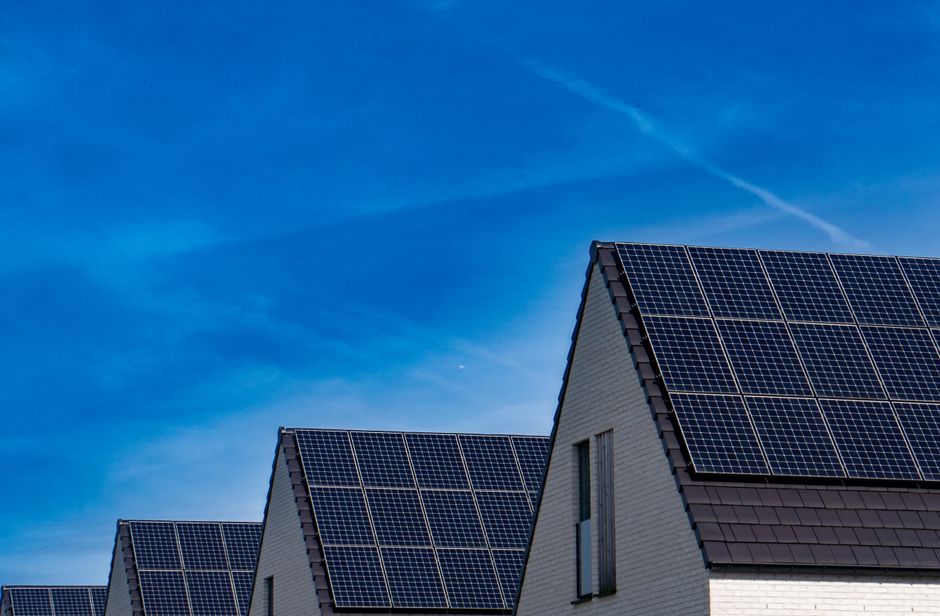
A homeowner I spoke with last year had a $340 electric bill in August. Not because she was wasteful. Just a 2,400-square-foot house in Phoenix, two teenagers, and a central AC unit running almost continuously. She’d been “looking into solar” for three years. The thing that finally got her to act wasn’t the savings pitch. It was realizing she’d spent roughly $12,000 on electricity in those three years while she waited.
That’s the opportunity cost nobody leads with.
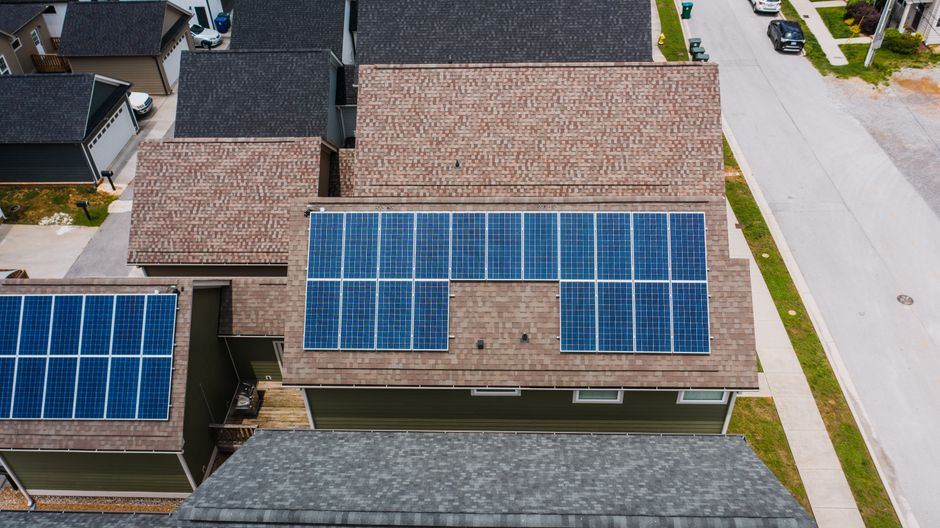
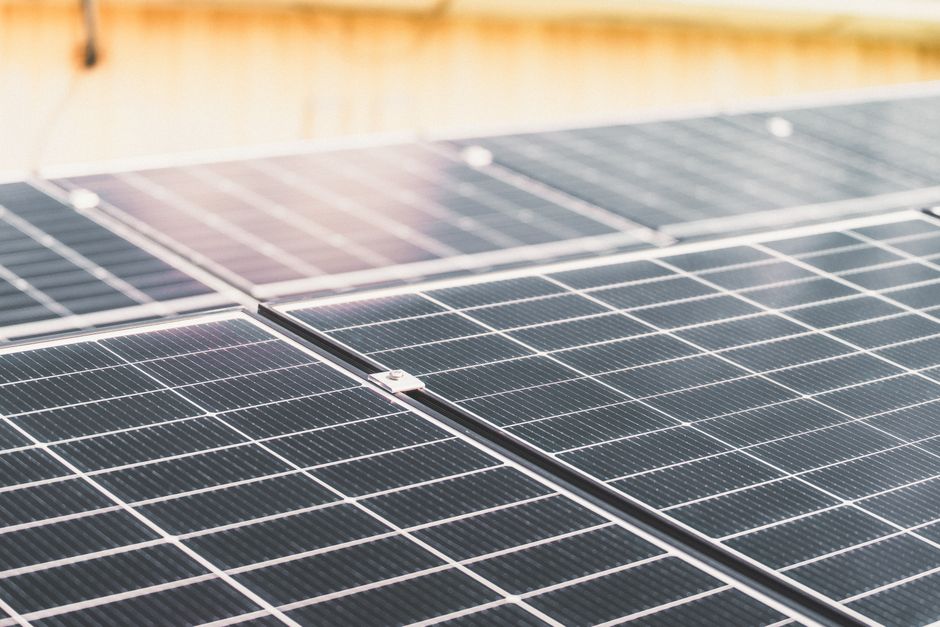
A whole home solar energy system is exactly what it sounds like: enough solar capacity to meaningfully offset your entire household’s electricity consumption, not just trim the edges. Most of what gets sold as “solar” falls short of that. I’ve seen 4-kilowatt systems installed on homes that use 1,400 kWh a month. That’s not a solar home. That’s a solar accessory.
Here’s how to actually do this right.
What “Whole Home” Actually Means in Practice
Your home’s electricity use is the starting point for everything. The average U.S. household consumes about 10,500 kWh per year, according to SEIA, but that number is nearly useless for individual planning. A 1,500-square-foot house in Portland with a gas furnace and a gas water heater might use 6,000 kWh a year. A similar-sized house in Houston with electric HVAC, an EV charger, and a pool pump might use 22,000 kWh. Same “average American home.” Completely different solar needs.
Pull your last 12 months of utility bills before you do anything else. Get the actual kWh figures, not just the dollar amounts, because rates change and you want usage data. Add them up. That annual number, divided by the estimated production per watt in your region, tells you roughly how many kilowatts of panels you need.
The National Renewable Energy Laboratory (NREL) publishes a free tool called PVWatts that lets you input your address and system size and get a realistic annual production estimate. Use it before you talk to any installer. Walk in knowing your numbers.
Sizing, Panels, and the Storage Question
| System Component | Typical Range | Notes |
|---|---|---|
| System Size | 8-15 kW | Most residential whole home systems |
| Gross Cost (before incentives) | $20,000-$52,000 | At $2.50-$3.50 per watt installed |
| Cost After 30% Federal Tax Credit | $14,000-$36,000 | Out-of-pocket, varies by installer |
| Battery Units (if used) | 1-2 units | One for backup; two for daily cycling |
| Panel Efficiency (premium tier) | 22%+ | REC Alpha Pure, Panasonic EverVolt |
| Roof Age Threshold for Inspection | 15+ years | Recommended before solar installation |
| Typical Roof Lifespan | 25-30 years | Matches solar panel lifespan (25+ years) |
Helpful resource: Emporia Vue 2 Home Energy Monitor is a top-rated option for this. (As an Amazon Associate this site earns from qualifying purchases.)
A system genuinely designed to cover your whole home typically runs between 8 kW and 15 kW for most residential installations. At current pricing (roughly $2.50 to $3.50 per watt installed before incentives), that’s a $20,000 to $52,000 gross cost. After the federal Investment Tax Credit, which is currently 30%, you’re looking at $14,000 to $36,000 out of pocket depending on system size and your specific installer.
On panels: the premium tier right now is pretty clearly REC Alpha Pure or Panasonic EverVolt for efficiency and warranty terms. Both push 22%+ panel efficiency. If your roof space is limited, efficiency matters a lot. If you’ve got a big south-facing roof with no shading, you can use slightly less efficient panels and make it up in quantity. SunPower’s Maxeon line is excellent but tends to come with a price premium that’s hard to justify unless space is genuinely constrained.
Battery storage is where I see the most confusion, and honestly the most overselling.
You don’t need a battery to go solar. That’s a fact a lot of installers who make money on battery sales won’t lead with. If you’re on net metering and your utility has a reasonable policy, your grid connection functions as effective storage. You export excess power during the day and draw it back at night. Simple, cheap, no maintenance.
Where batteries genuinely make sense: if your utility has time-of-use rates with expensive peak pricing (typically 4pm to 9pm), a Tesla Powerwall 3 or Enphase IQ Battery 5P can shift your consumption and reduce bills meaningfully. Or if you live somewhere with frequent outages. Or if your utility’s net metering policy is terrible (looking at you, certain California utilities post-NEM 3.0). In those cases, 1-2 battery units make real financial sense.
One battery for backup, two for meaningful daily cycling. That’s usually the practical range for a whole home system.
The Roof Conversation Nobody Wants to Have
how to size a solar power system for your home · AMJ Engineering on YouTube
I’ve watched people spend $28,000 on a solar system and then spend $12,000 on a roof replacement two years later, which required removing and reinstalling the panels at additional cost. Don’t be that person.
If your roof is more than 15 years old, get a roofing inspection before you sign anything with a solar installer. Most shingle roofs last 25-30 years. Solar panels will be on your roof for 25+ years. The math on timing matters.
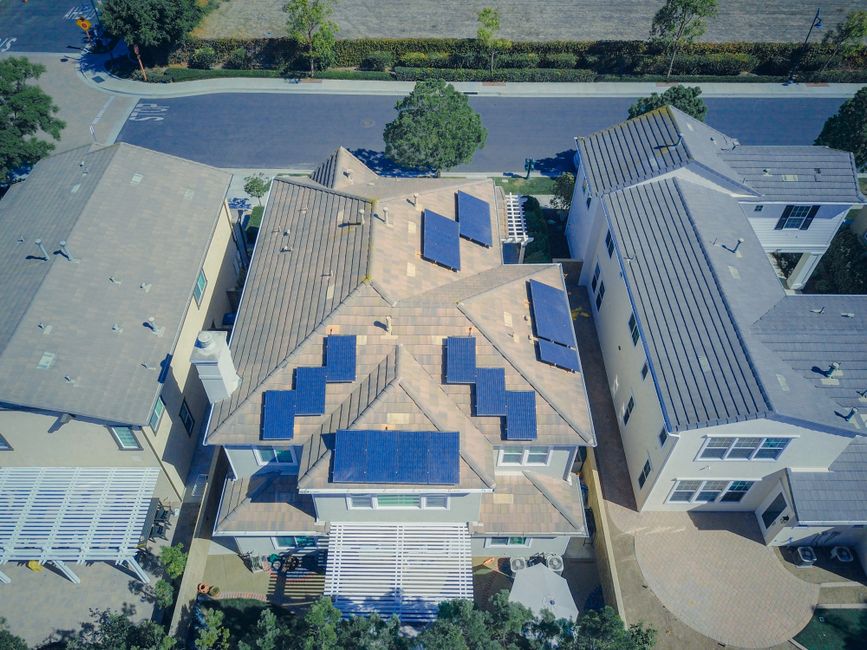
Also: shading is a bigger deal than most installers admit during the sales process. A single shaded cell can drag down an entire string of panels in traditional string inverter systems. Microinverters (Enphase) or DC optimizers (SolarEdge) solve most of this by letting each panel operate independently. They cost more. On a shaded roof, they’re worth every penny. On a completely unshaded south-facing roof? Probably not necessary.
The Financial Picture, Honestly
The 30% federal tax credit is real and significant. But you need to actually owe that much in federal taxes to capture it fully. If your annual federal tax liability is $4,000 and your credit is $9,000, you can carry the remainder forward one year, but not indefinitely. This trips up retirees on fixed income more than anyone else. Talk to your tax person before assuming you’ll get the full credit.
State incentives vary wildly. Massachusetts, New York, and Illinois have strong additional programs. Texas has almost nothing at the state level (though low electricity prices in some parts partly offset this). EnergySage maintains an updated database of state and utility incentives that’s more reliable than what any individual installer will tell you.
Payback periods. The honest range for a well-designed system in a good market is 7 to 11 years. Installers who tell you 5 years are probably cherry-picking assumptions. Anyone quoting you more than 12 years in a net-metered state, barring unusual circumstances, has probably oversized your system or the electricity rates in your area are genuinely very low. After payback, you’re generating essentially free electricity for another 15 to 20 years. That’s the actual value proposition.
One thing worth monitoring after installation: a home energy monitor like the Emporia Vue (the site may earn a commission on this link) gives you real-time visibility into what your system is producing versus what your home is consuming. It costs around $70 and it’s one of the best investments you can make alongside a solar install. I’ve seen it help homeowners catch underperforming panels months before their installer would have flagged the issue.
Getting Multiple Quotes (and What to Look For in Each)
Get at least three quotes. Not because prices vary that much (they do, but not wildly), but because the system designs will differ. One installer might propose 22 panels at 400W each with string inverters. Another might recommend 18 panels at 450W with microinverters. Understanding why they made those choices tells you a lot about whether they’re designing for your home or selling you their preferred product.
Ask every installer: what happens if I want to add panels in three years? What happens if I add an EV? Systems designed with expansion in mind are worth a premium. Ones locked into proprietary equipment that makes expansion expensive are a trap.
Check the installer’s track record on NABCEP certification and look up reviews specifically for post-installation service. The sales experience is almost always good. What matters is whether they show up when something goes wrong at year four.
Sources
- SEIA
- National Renewable Energy Laboratory (NREL)
- Emporia Vue 2 Home Energy Monitor
- home energy monitor like the Emporia Vue
- Jackery SolarSaga 100W Solar Panel
Disclosure: As an Amazon Associate, we earn a small commission from qualifying purchases at no extra cost to you. We only recommend products that genuinely support the topics covered in this article.
- Renogy 200W Solar Starter Kit + 30A Charge Controller (~$169), Complete beginner solar kit, 200W monocrystalline panel, charge controller, and mounting hardware included.
- EF EcoFlow DELTA 2 Portable Power Station (1024Wh) (~$599), 1024Wh LFP battery with 1800W output, top-rated solar generator for home backup power. Charges in under 2 hours.
Recommended Resources
Disclosure: As an Amazon Associate, we earn a small commission from qualifying purchases at no extra cost to you. We only recommend products that genuinely support the topics covered in this article.
- Renogy 200W Solar Starter Kit + 30A Charge Controller (~$169), Complete beginner solar kit, 200W monocrystalline panel, charge controller, and mounting hardware included.
- EF EcoFlow DELTA 2 Portable Power Station (1024Wh) (~$599), 1024Wh LFP battery with 1800W output, top-rated solar generator for home backup power. Charges in under 2 hours.